
Home purchase is a significant achievement, which comes with numerous unnoticed costs. Homeowners with new houses tend to spend money on items that appear as necessities in the initial stages of their lives but turn out to be unnecessary or wasteful. Unless these are planned, these decisions may put a burden on budgets and diminish long-term financial comfort.
Purchasing Costly Furniture Right Now

Most new homeowners are being pressured to furnish all their rooms immediately. Savings are easily depleted by purchasing expensive furniture. It is perhaps preferable to reside in the space and learn the real needs. Waiting makes it possible to make smarter decisions, not to buy on impulse and to divide costs in the long run without extra financial burdens.
Incurring unnecessary Upgrades
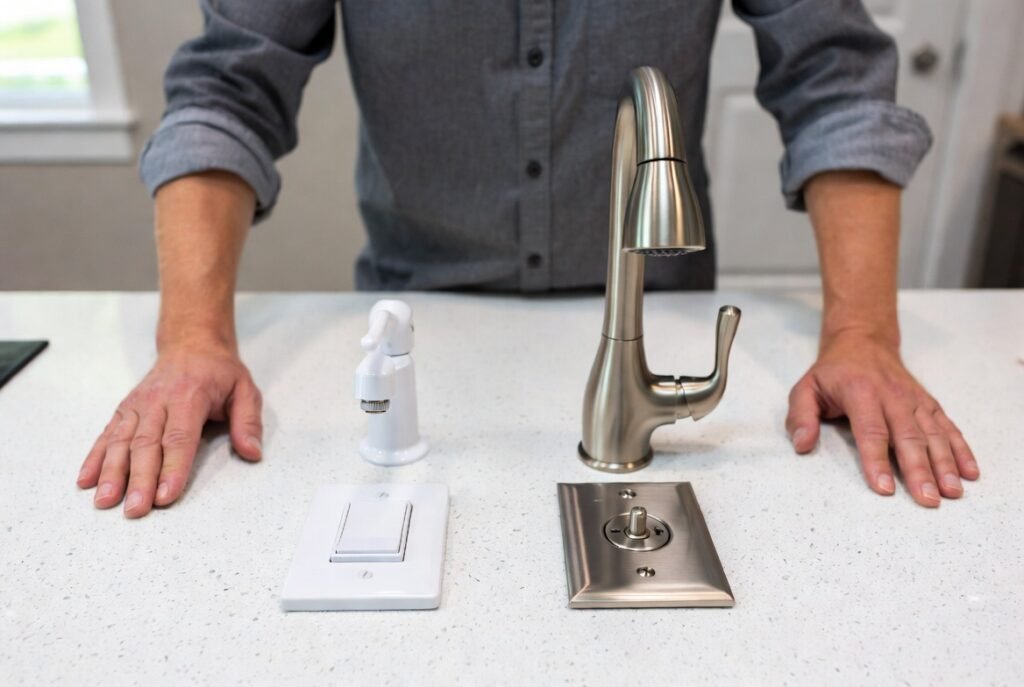
Upgrades are enticing, yet not every one of them is vital. Costly fittings or posh finishes might not enhance functionality or selling price. New homeowners ought to concentrate on crucial upgrades and not on cosmetic upgrades. Function should be given more priority than appearance to ensure spending is controlled and the budget is kept in check.
Omission of Home Warranty Research

Other homeowners buy home warranties without knowledge of what is covered. Limited or unnecessary plans are costly to pay for. Value can be achieved by carefully reviewing the policies. Warranties are not necessary in every house, and no policies should be covered more than enough.
Buying Tools You Rarely Use
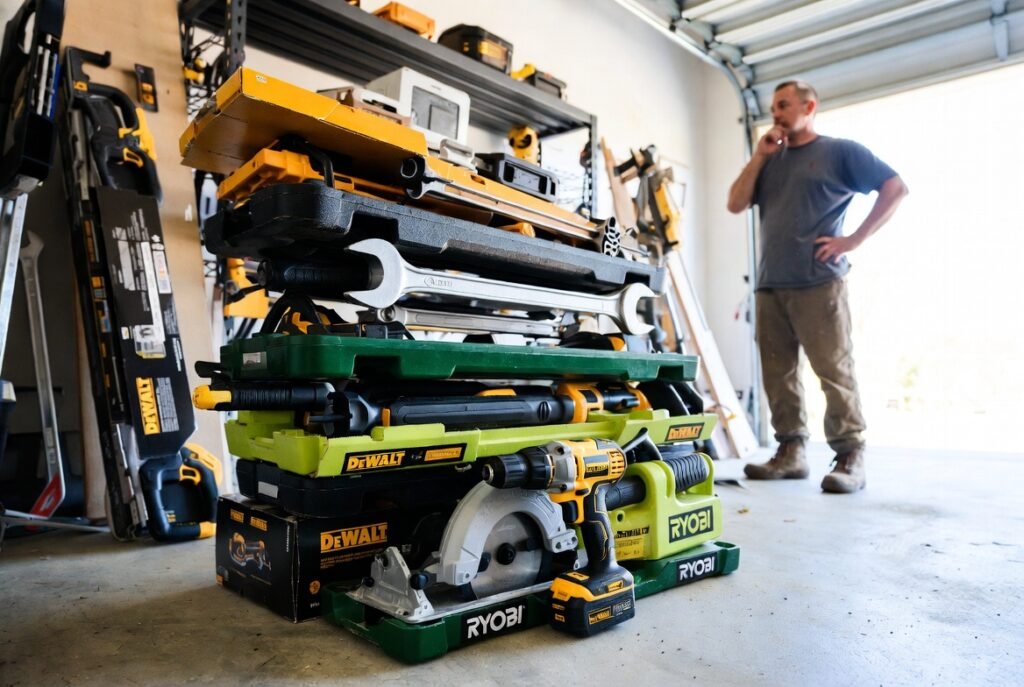
New homeowners will tend to buy most tools on the spot. The number of tools used once or twice is numerous. It is also more economical to rent or borrow equipment. When purchasing only the necessary tools, it avoids a lot of clutter and saves money.
Excessive payment for Lawn Equipment
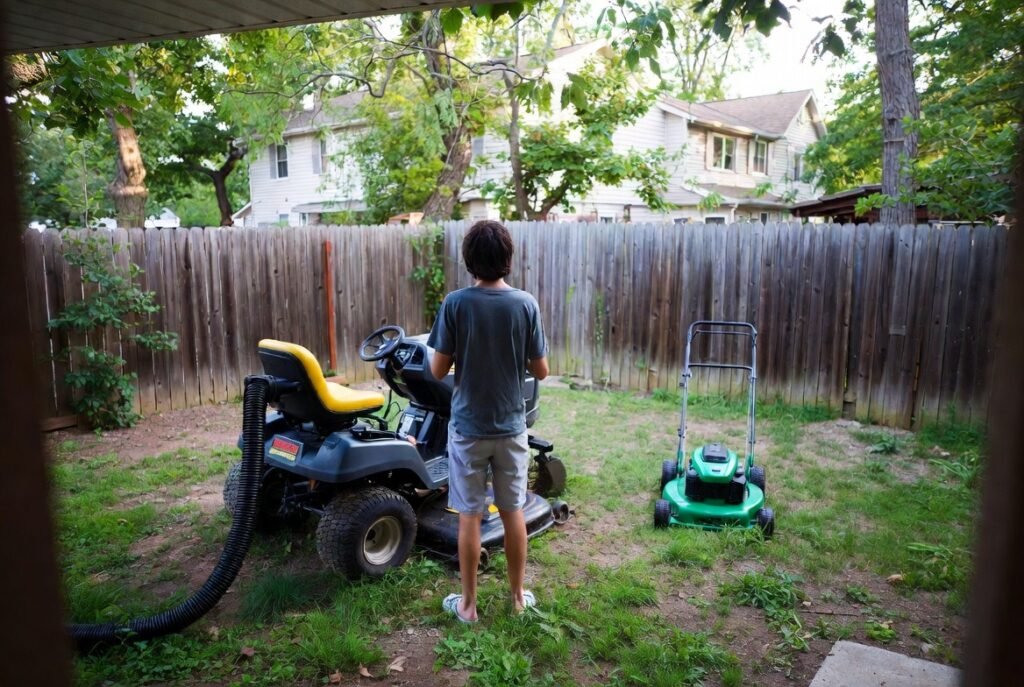
It may not be required to purchase expensive lawn equipment. Minimal tools or occasionally professional services can be used in small yards. The unnecessary cost is added through overbuying equipment. Yard size and care requirements will be evaluated, and unnecessary expenditures will be prevented.
Failure to carry out the Review of Insurance

Most residential owners take insurance policies without comparisons. Being overpaid and underinsured are both expensive errors. The policies are reviewed to ensure they are adequately covered at a reasonable price. Comparison of options assists in balancing between protection and cost.
Billing of unused Subscriptions

Security systems, streaming plans, and maintenance plans are costly. Unutilised subscriptions are financial burdens. Checking and cancelling services that are not necessary assists in managing the monthly costs and keeping financial records straight.
Ignoring Small Repairs
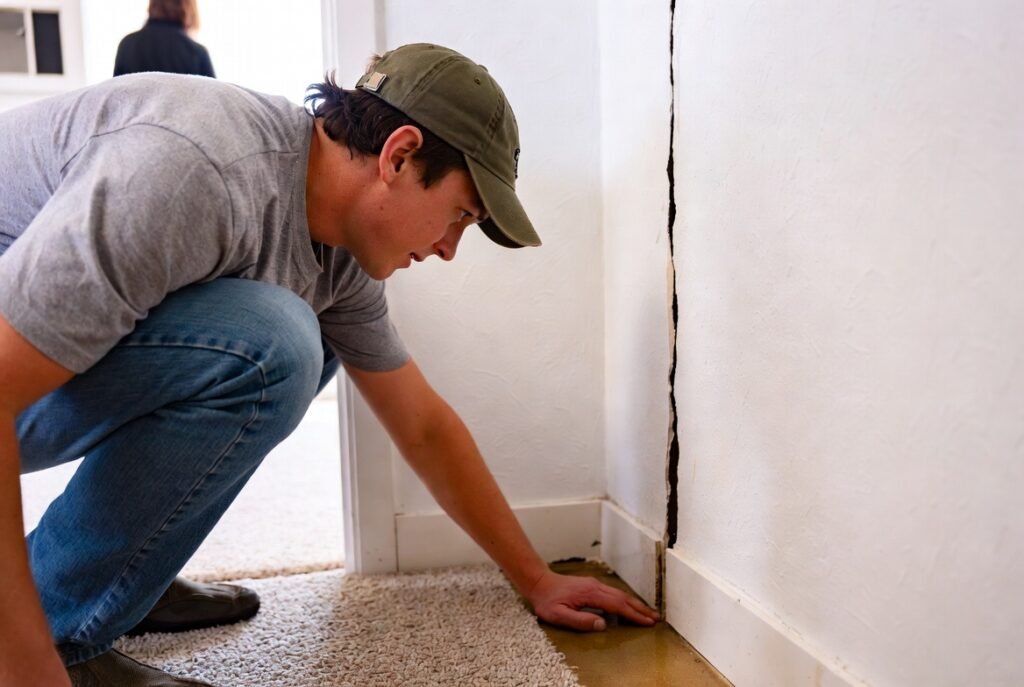
Major repairs usually prove to be more expensive if minor repairs are delayed. Minor problems develop into expensive ones when left unattended. Repairs are cheaper to do in their early stage and avoid spreading the damage. In a timely manner, the maintenance saves money and property value.
Extravagant Investment in Custom Features

The features that are highly customised might not be resalable. The tastes of the individual are not likely to attract the prospective consumers. Excessive customisation restrains financial gain. Maintaining an upgraded position of neutrality and practicality maintains flexibility and value.
Funding Too Many Buyouts

Furnishing and upgrading by credit raises the long-term expenses. Interest payments would accumulate fast. Making advance payments or saving prior to making purchases is a way of staying financially healthy. It is advisable not to have unnecessary financing that leads to the accumulation of debt.
Failure to Plan on Property Taxes

New buyers of houses tend to underestimate the taxes which are paid on property. Financial stress can be caused by the inability to plan ahead. Avoiding sudden costs is achieved by being aware of local tax changes and making plans ahead of time. Sound budgeting is in favour of financial stability over time.
