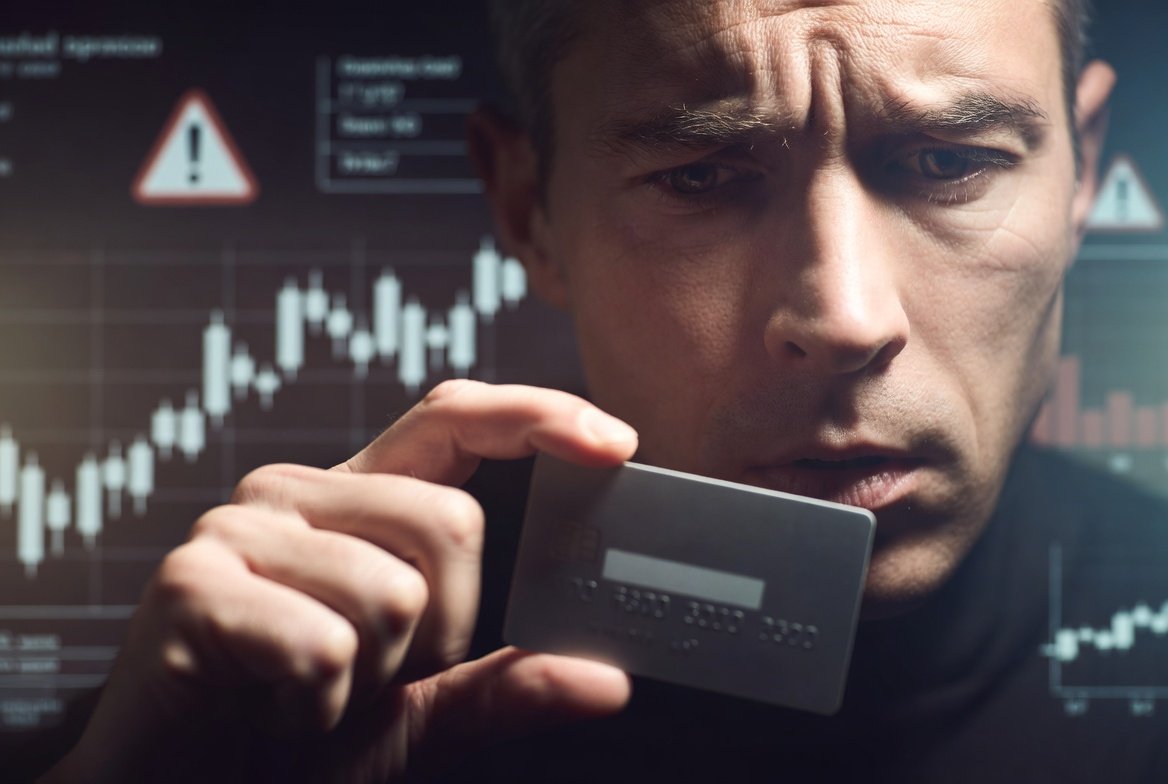
Credit cards are easy and acceptable, although that does not always make them the safest and most affordable way to pay. Some cases may result in exorbitant charges, fraudulent risks or prolonged debt when a credit card is used. Most individuals commit petty errors without knowing how to affect their finances. The decision on when it is important not to use a credit card is the key to saving your money and having a healthy financial state.
For Cash Withdrawals
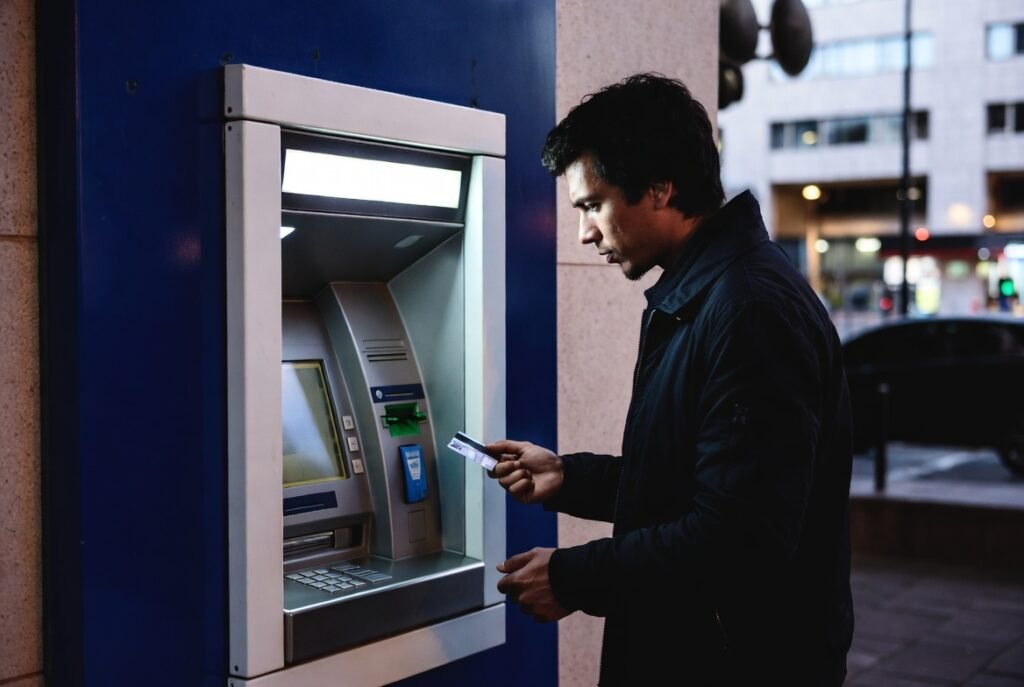
Cash withdrawal via the credit card is frequently charged with high charges and instant interest. Cash advances are not typically interest-free compared to purchases. This renders them costly immediately after the transaction is made. Financial experts suggest the use of debit cards or alternative solutions to cash requirements so as to avoid unnecessary expenses.
For Small Daily Purchases
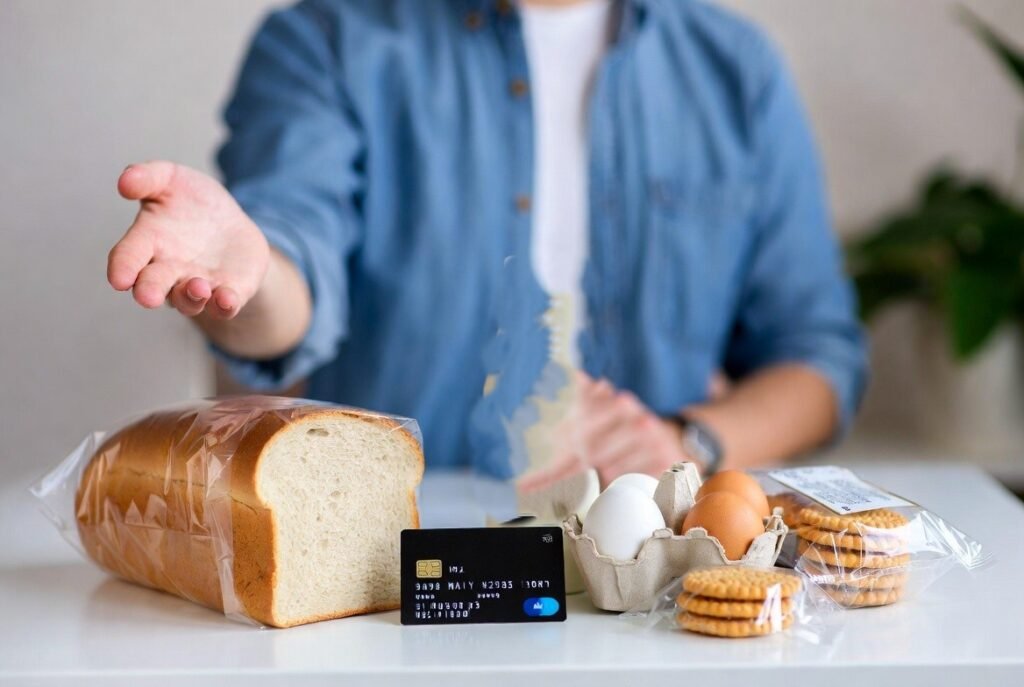
Small purchases made with a credit card might make one spend a lot. Such transactions might seem trivial to a large extent, but they accumulate fast. Analysts caution that it is hard to monitor spending with daily expenditures being financed through credit.
Like Gambling or Betting Transactions

There are usually high fees and limitations to the use of credit cards in gambling. Most of the banks consider them as cash advances and charge additional fees. Financial analysts highly recommend that people not use credit cards for gambling to avoid getting into debt and financial stress.
In Case You Paid the Balance Not in Full

When one uses a credit card without repaying the balance, he or she incurs interest. The original cost is usually inflated by interest over time. Professionals advise charging sums that would be repaid on a monthly basis. The practice prevents the heavy burden of debt and financial load over time.
At Temporary or Pop-Up Stores
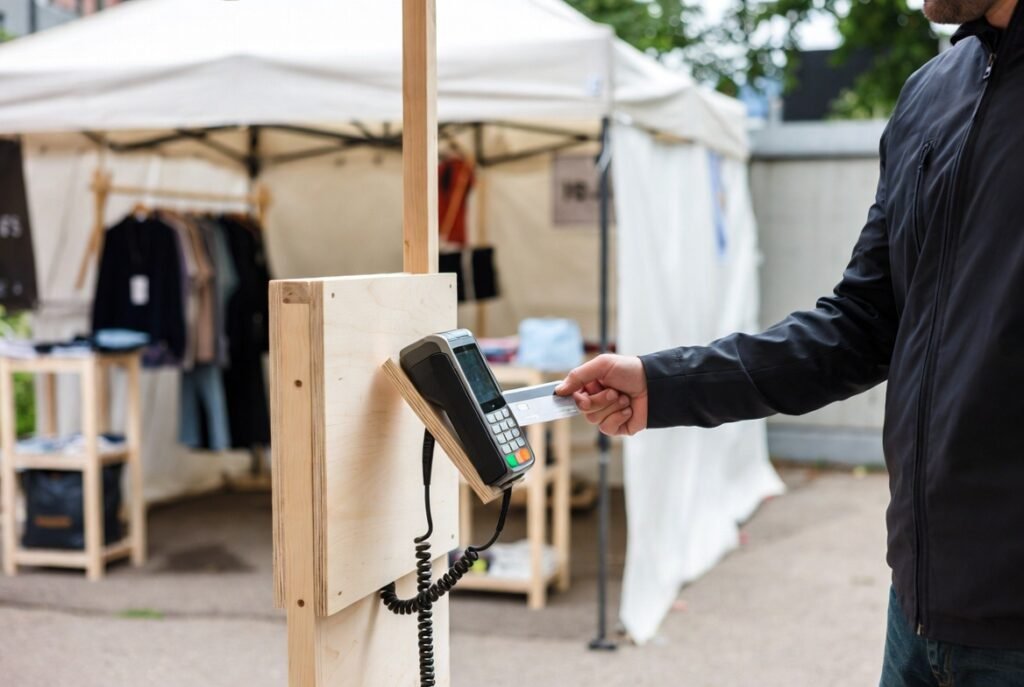
The pop-up stores do not necessarily have safe payment options. A credit card should not be used in such places, as it will enhance the chances of being defrauded. Experts recommend that one should be careful and examine payment terminals prior to use.
For Peer-to-Peer Transfers
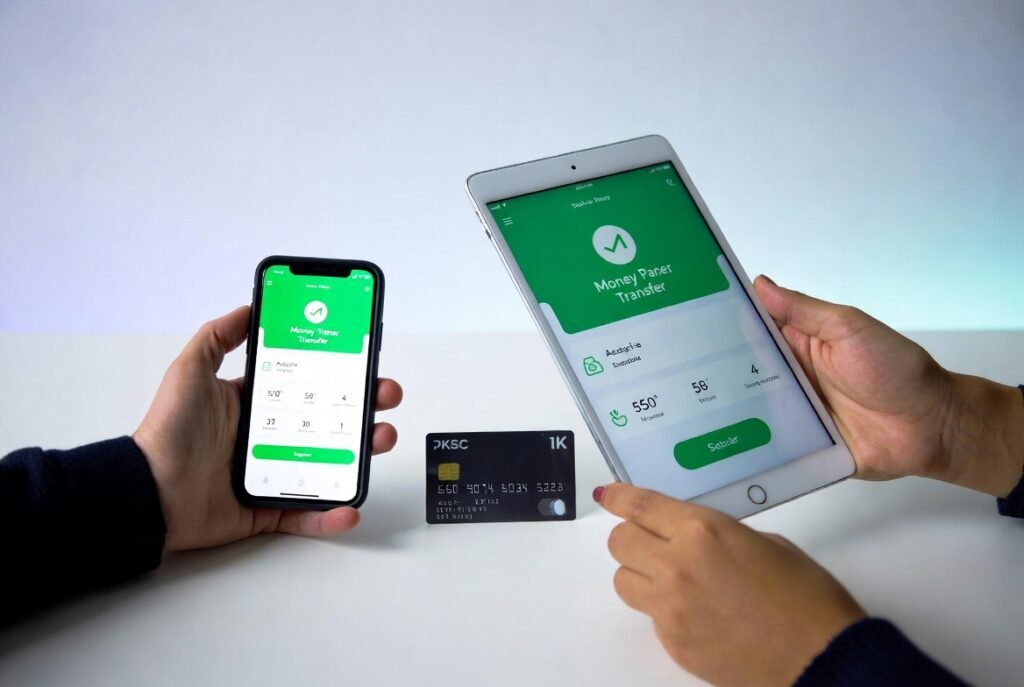
Purchasing with credit cards when engaging in peer-to-peer transactions is usually accompanied by processing charges. Such expenses lower the value of the transfer. Experts suggest that such payments be done through bank transfers or the use of debit cards. This saves additional fees and makes dealings straightforward.
Especially in Emotional Moments of spending

When one uses his or her credit cards when under stress or emotional moments, he or she regrets making these purchases. Emotional spending is pronounced by experts as one of the biggest causes of debt. To prevent unwarranted expenses, waiting to make purchases is good.
In the case of High-Interest Instalment Plans
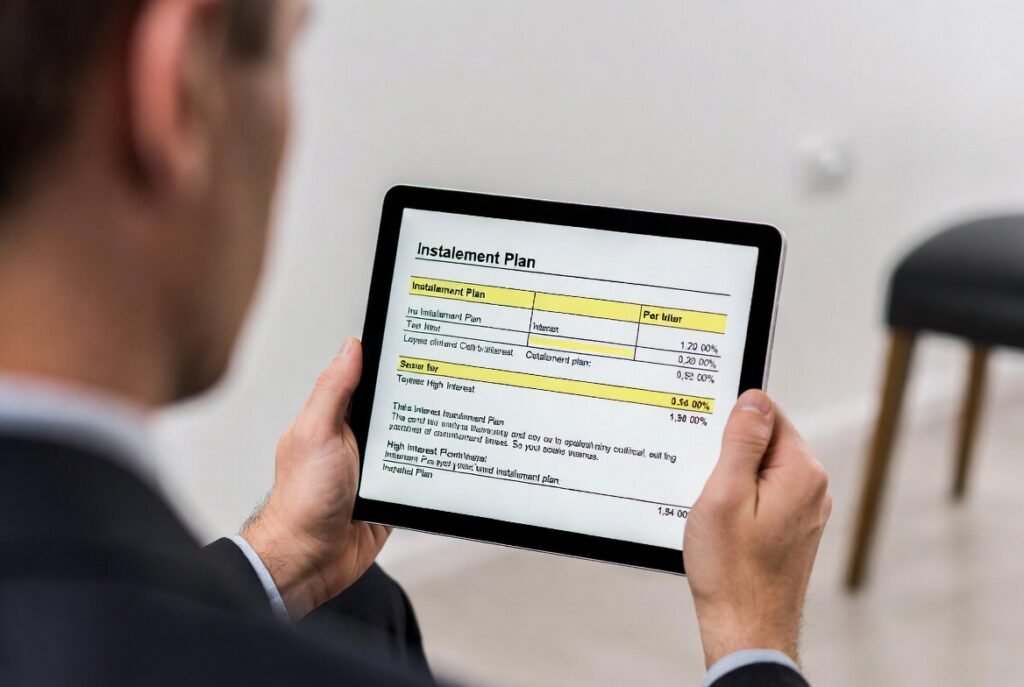
There are credit card-related installment schemes that attract interest and hidden charges. Such plans are affordable at first, but will prove to be expensive in the long run. Scholars recommend the use of terminologies cautiously.
In Restaurants Which Pre-Authorise Tips
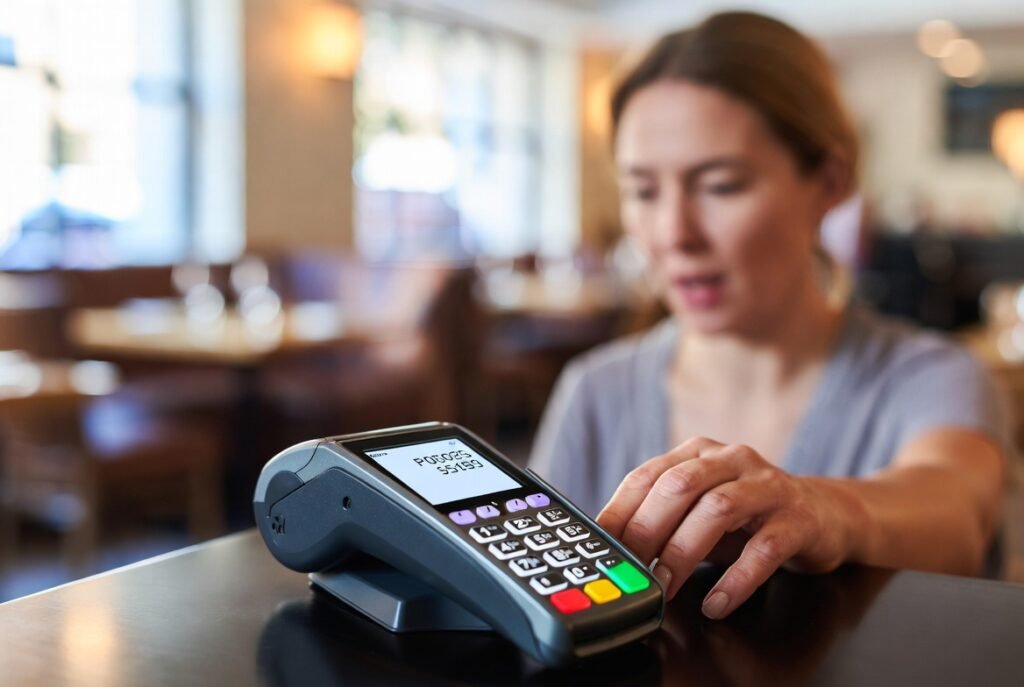
There are restaurants that require larger pre-authorisation with the use of credit cards. This has the potential of shrinking credit in the short run. Professionals indicate that it is important to keep statements in check.
When your card information is auto-saved
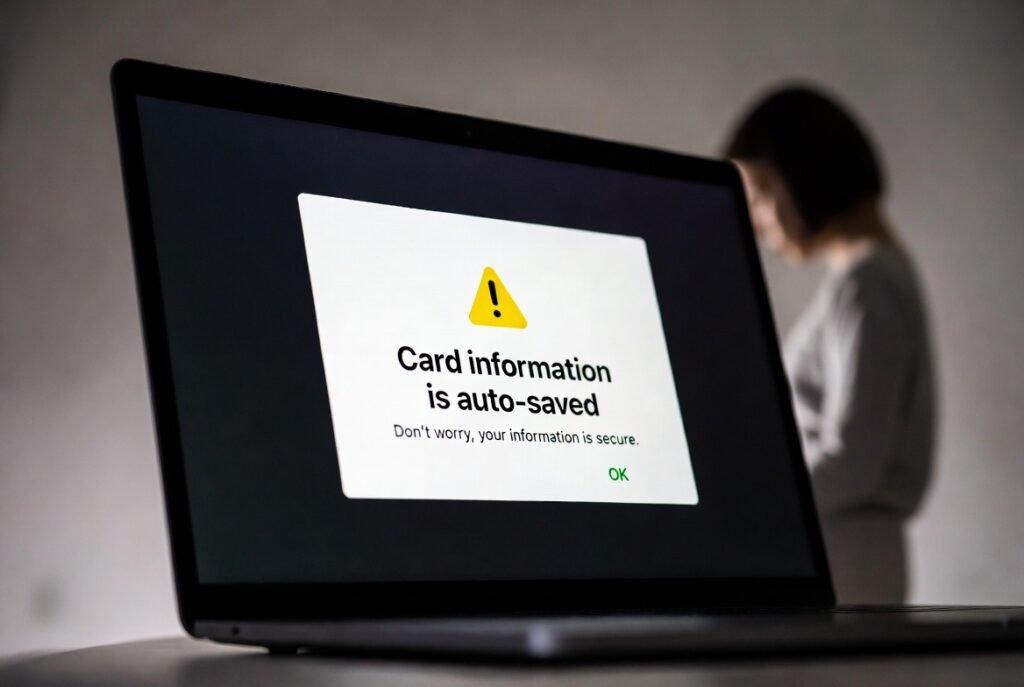
Storing card information in different systems exposes one to data breaches. Professionals recommend keeping saved payment data to a minimum. Digital wallets or secure methods of payment are less risky. The fewer details are stored, the fewer chances of misuse they have.
When Trying to Build Savings

Growth in savings can be slowed down by using credit cards as opposed to cash. Higher critics observe that credit expenditure does not always seem real. Cash or debit payment will make people spend wisely. Less use of credit helps in improved saving habits and stability.
