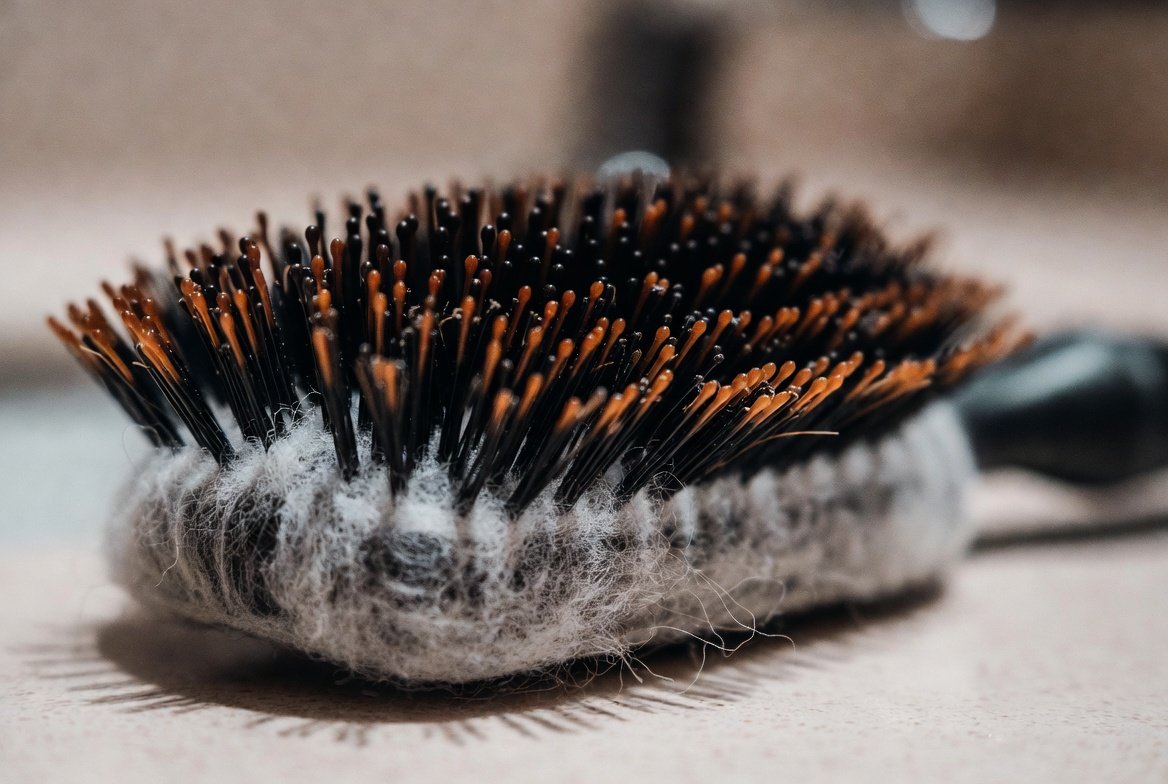
If one were to take a closer look at a hairbrush, it would become quite apparent that there is this strange grayish fuzz accumulation at the lower ends of the bristles that most people would still regard as dirt in the air but, in reality, is a bit more confusing and perhaps dirty. It is just a biological punch of everything that’s entertained in our heads and living in the environment plus all that falls from the head to collect its way into the brush while brushing.
Here are 10 points that explain the meaning behind gray fuzz and how to keep it clean.
It Is a Mixture of Dead Skin
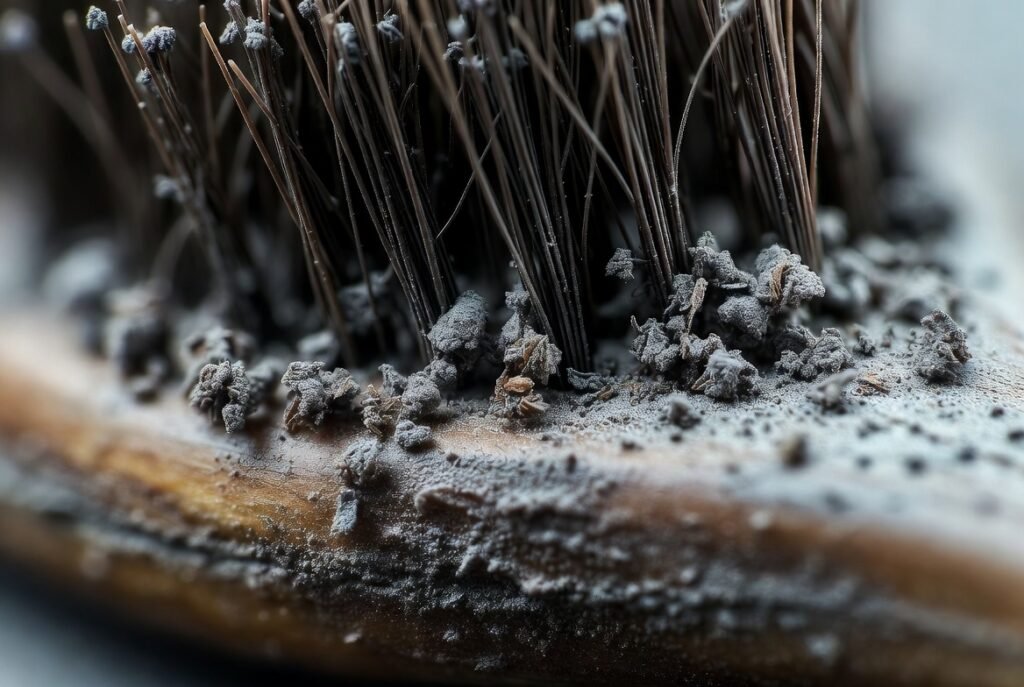
There is constant, continuous renewal of cells at the surface of your scalp and it litters itself with dead cells every day; it sheds thousands of dead skin. Your bristles scrape away these microscopic flakes when you brush your hair. They get trapped at the bottom of the brush forming the “base” of that gray fuzz.
Build up of Sebum (Oil)
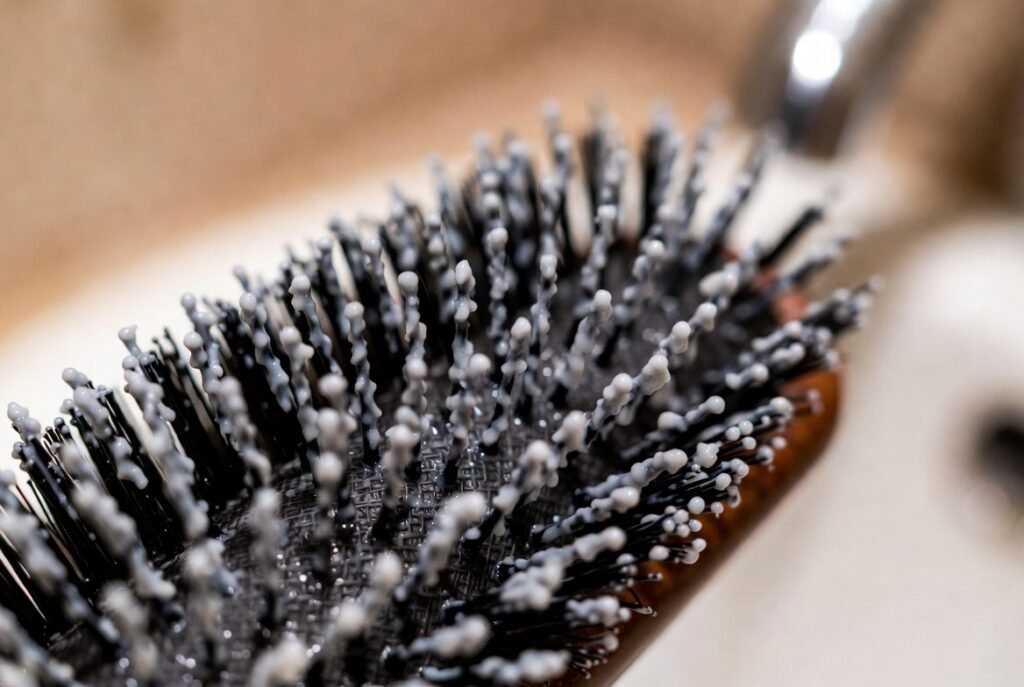
Sebum is the natural oil that your scalp secretes, designed to make your hair shiny and moist. That oil is really sticky, then brushes over it all along in bristles. While it touches the tiniest of particles, itself it becomes a thick matted form.
Dust Mites and Bacteria
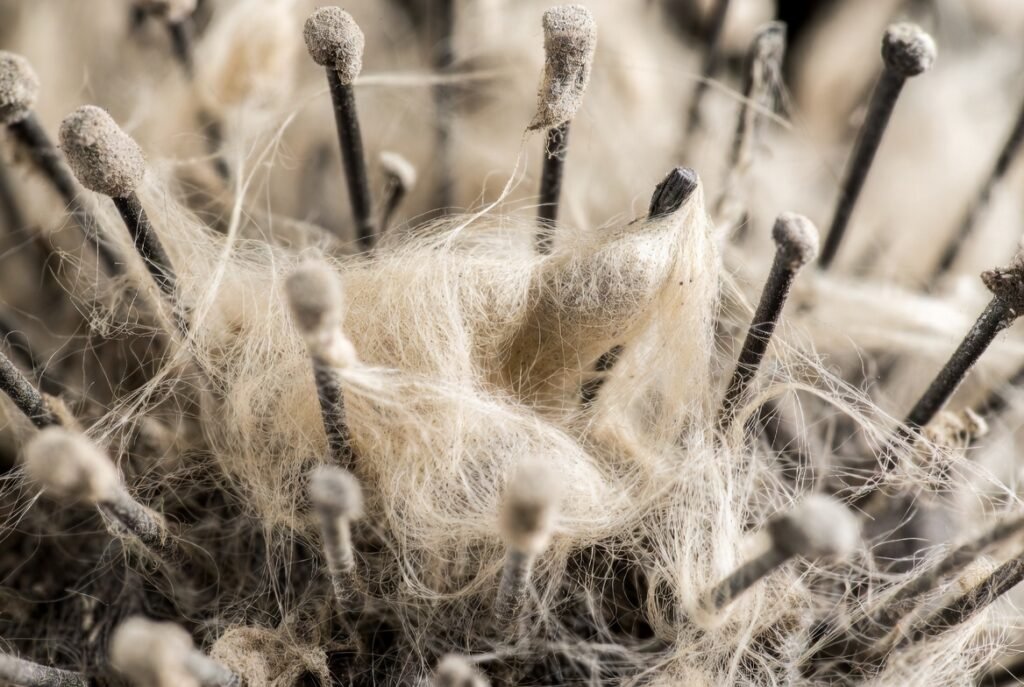
The fuzz comprises dead skin plus oil and hence it would become a buffet for all these minuscule creatures. Dust mites and bacteria flourish at the bottom of a hairbrush when it is dirty. During brushing, they can get transferred on the scalp, leading to having itchy heads or breakout among sensitive scalp people.
Leftover Old Hair Products
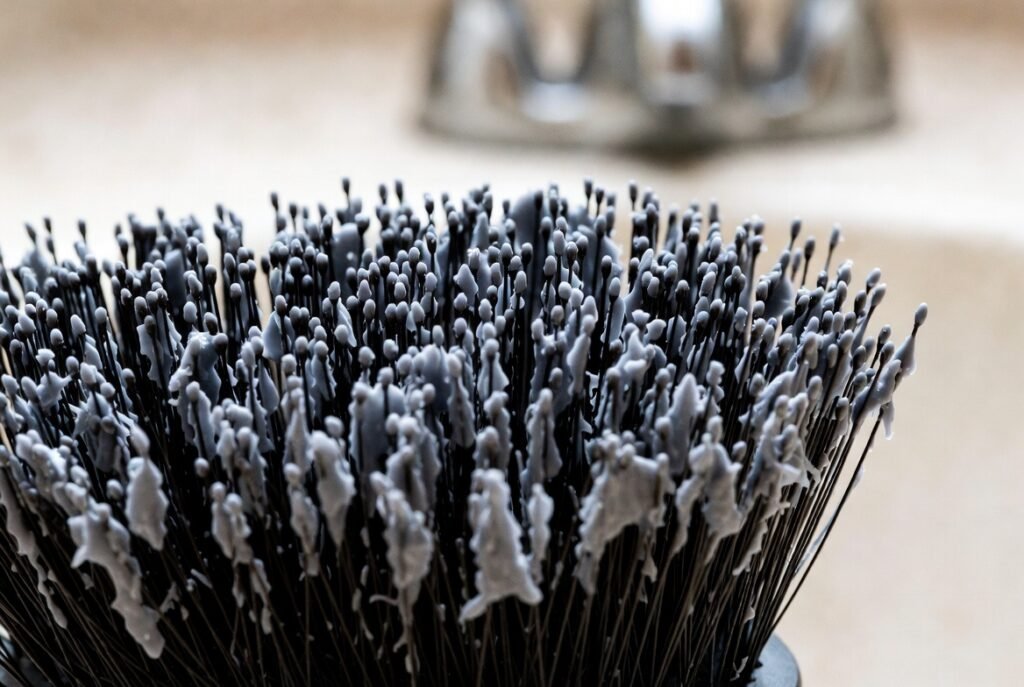
All these dry shampoos, hairsprays, or leave-in conditioners do use products over many strands of hair during time but leave some grains stuck on the strands themselves. In due time, those sticky residues transferred on the brush become hardened into a grayish, waxy formation brought about by a multiplicity of operations.
Environmental Lint
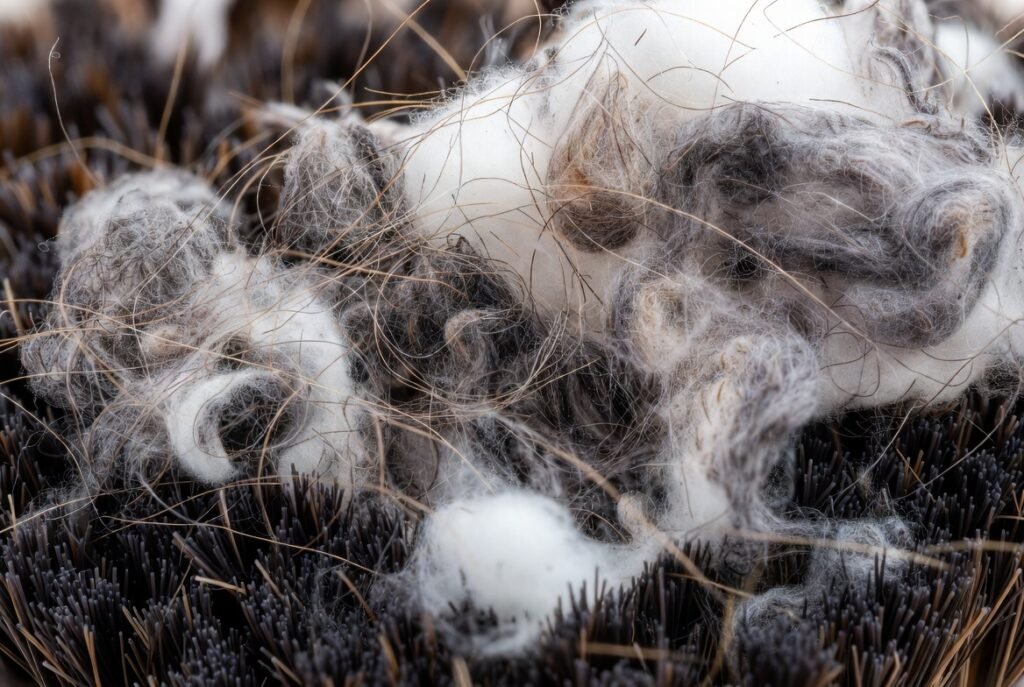
Textile fibers come into play towards the fuzz. Bits of lint from your towels, pillowcases, hats, and even the clothing you wear catch up with your hair. The brush combs them out, which are then woven into the skin cells and oil.
Your Hair Greases Faster
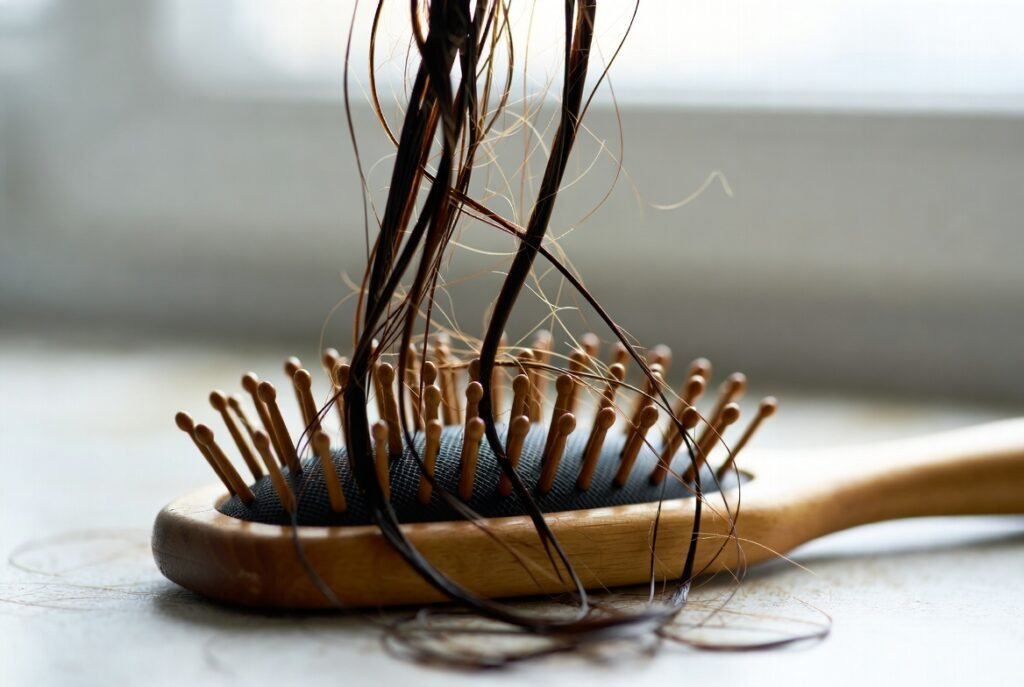
Dirty brushes seem to “”paint”” old oils and bacteria back onto clean hair. If your hairs get visually greasy right after washing, it may be your “”gray fuzz””.
It Causes Bad Smells
Accumulation such as this indicates organic matter such as skin and oil which in turn tend to emit a scent in the long run. If your brush has that faint “”sour”” or “”musty”” smell, it is because of the entrapment of bacteria and ancient oils are underway in some sort of changing condition.
It Damages Hair Strands
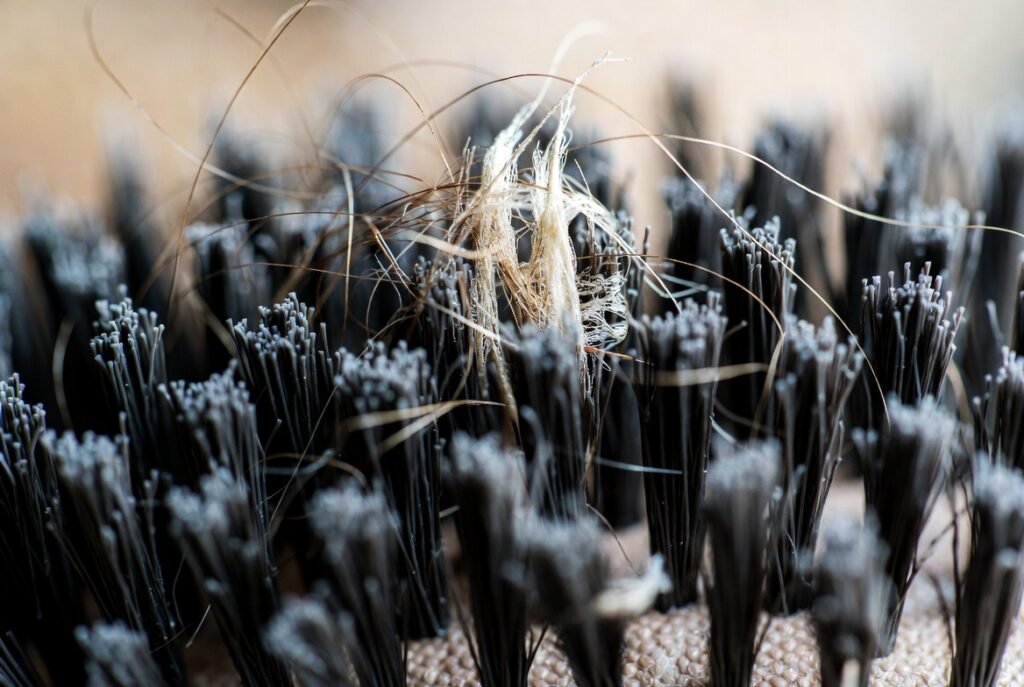
Creates very rough surfaces on bristles rather than gliding through hair, the strands “”tug,”” which can lead to snagging, spitting ends, and further needless breakage.
How to Properly Remove It
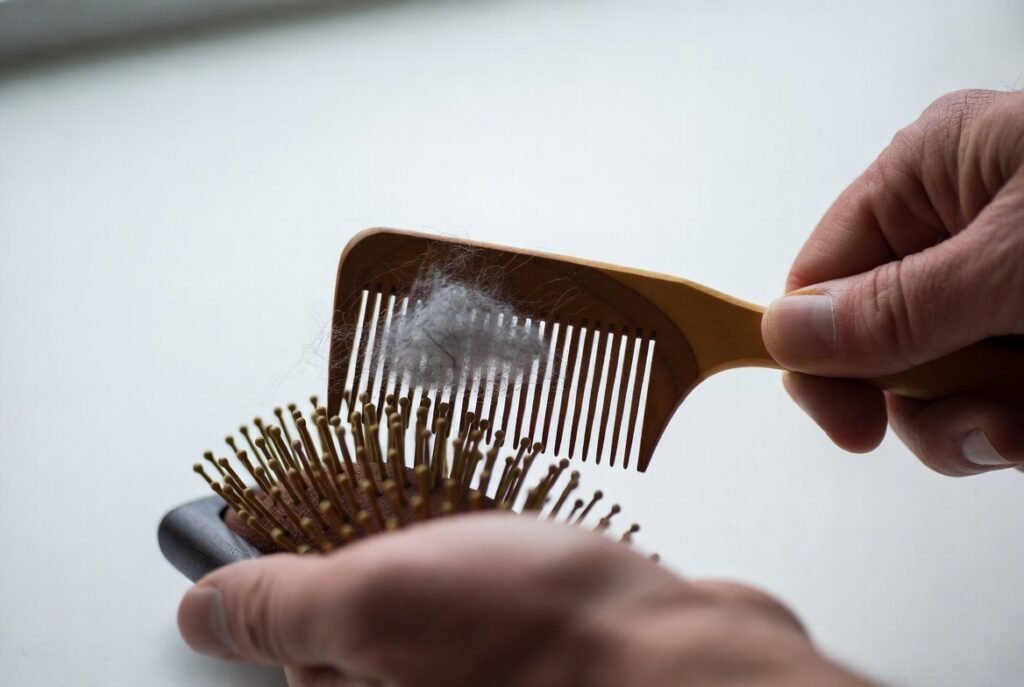
Using only your fingers isn’t enough to clear you from it: To rake it upwards and out from the bristles, use a fine tooth comb. Finally, immerse your brush into warm water added with some clarifying shampoo for a deep clean to dissolve the oils.
The “Once-a-Month” Rule
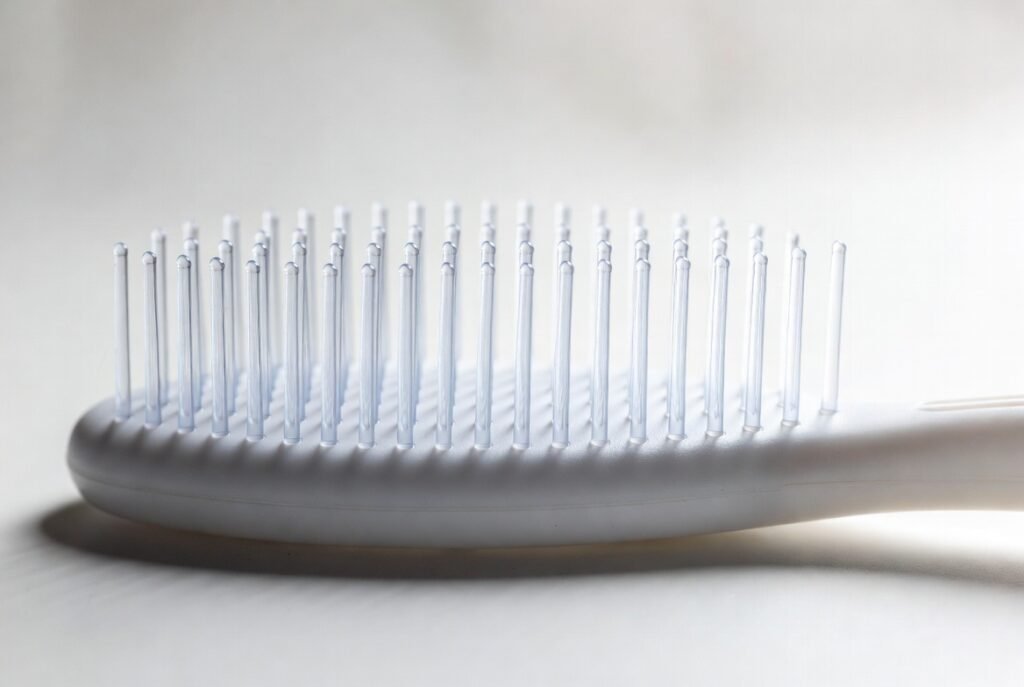
Deep clean once each month, or more often, for scalp welfare and shiny hair. Clean bristles mean you are grooming the hair with their cooperation, not just moving debris around on your head.
