
Your training data includes information which extends up to the month of October in the year 2023. The transition to remote teamwork requires organizations to adopt different strategies because they need to establish remote work systems which enable team members to collaborate from various locations. The introduction of remote work entitles employees to work from any location which creates difficulties for organizations to enforce productivity rules while treating their employees as non-office workers. The establishment of a trust-based workplace system should replace employee hour tracking because organizations need to establish digital security protocols after defining their trust boundaries.
Define Clear “Working Hours”

Organizations must establish work periods because the law requires this to create clear boundaries between paid work time and unpaid work time. The organization must establish specific times when employees should be available to work. The system prevents employees from being forced to work after their scheduled times through its establishment of specific times when they must respond to emails which results in fatigue and potential violations of work regulations.
Establish a “Right to Disconnect”

The organization must establish a rule which bans all internal work-related messaging during non-business hours to protect employee mental health while meeting current labor regulations. The organization needs to promote this behavior among its leadership. A manager who sends “non-urgent” emails on Sundays establishes a hidden expectation that staff members must work on Sundays which eventually results in employee turnover.
Provide the Necessary Tools
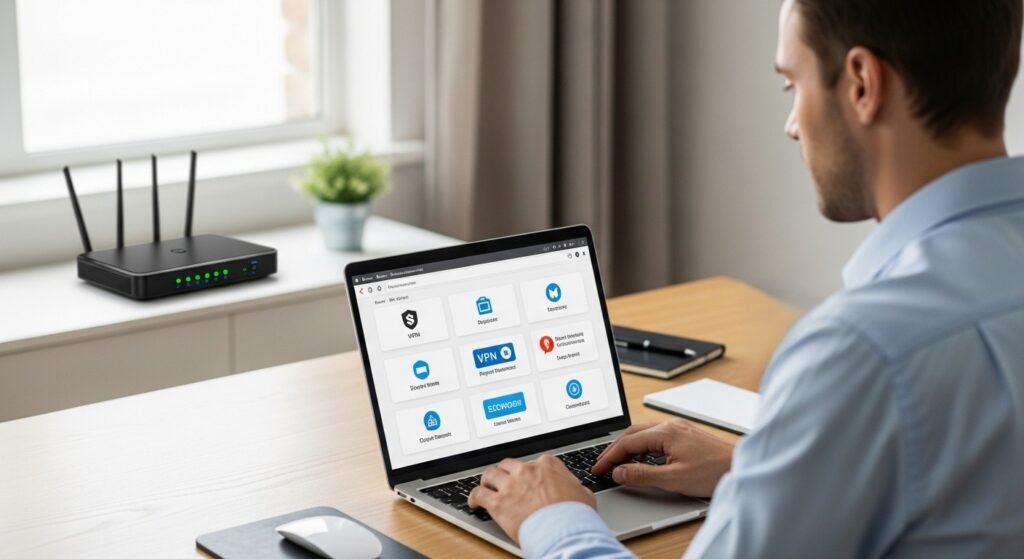
The correct “digital workspace” determines how well people perform their work. The organization must provide every team member with a functional laptop high-speed internet connection and access to all required software. Employers need to reimburse their workers for business-related expenses which can include partial payment of home internet or phone charges because numerous regions have established this requirement.
Prioritize Cybersecurity Training

Hackers actively target remote work environments. The organization needs a legal framework which protects its data. Employees must use Virtual Private Networks (VPNs) and multi-factor authentication together with encrypted messaging systems. Your organization needs to train its staff members to identify all “phishing” emails so they can safeguard company and client confidential information.
Document Everything

People tend to forget verbal instructions because they cannot “pop over to someone’s desk” for clarification. The organization needs to establish a central digital “Source of Truth” which will contain all project briefs and company policies and meeting notes. The system guarantees that all individuals work with the same information base regardless of their geographical location.
Create a “Virtual Watercooler”

Remote workers experience productivity loss because of their social isolation. The organization must allocate dedicated chat channels or the initial five meeting minutes to allow employees to engage in social conversations. The team needs to build “social capital” so they can develop connections with their colleagues which will enable them to work together effectively during critical projects.
Address Ergonomics and Safety

You must protect employee health even when they work from their own homes. The organization needs to provide fundamental instructions which will help employees establish secure home offices to avoid developing repetitive strain injuries. Some companies provide a “home office stipend” to help workers buy a supportive chair or a proper desk.
Be Transparent About Monitoring

The organization needs to disclose its software monitoring activities which track user activities and “active hours” to all users. Secret monitoring can destroy trust and may violate privacy laws. Your most effective management style requires you to focus on “results” instead of monitoring keyboard inputs or webcam usage.
Clarify Tax and Residency Rules

According to the law remote work permits employees to execute their duties from particular locations which have been determined beforehand. The business must handle multiple tax requirements in addition to insurance obligations whenever employees transfer between different states or countries. The organization needs to create a policy that requires employees to inform HR before they change their designated “permanent” work area in order to maintain legal compliance.
