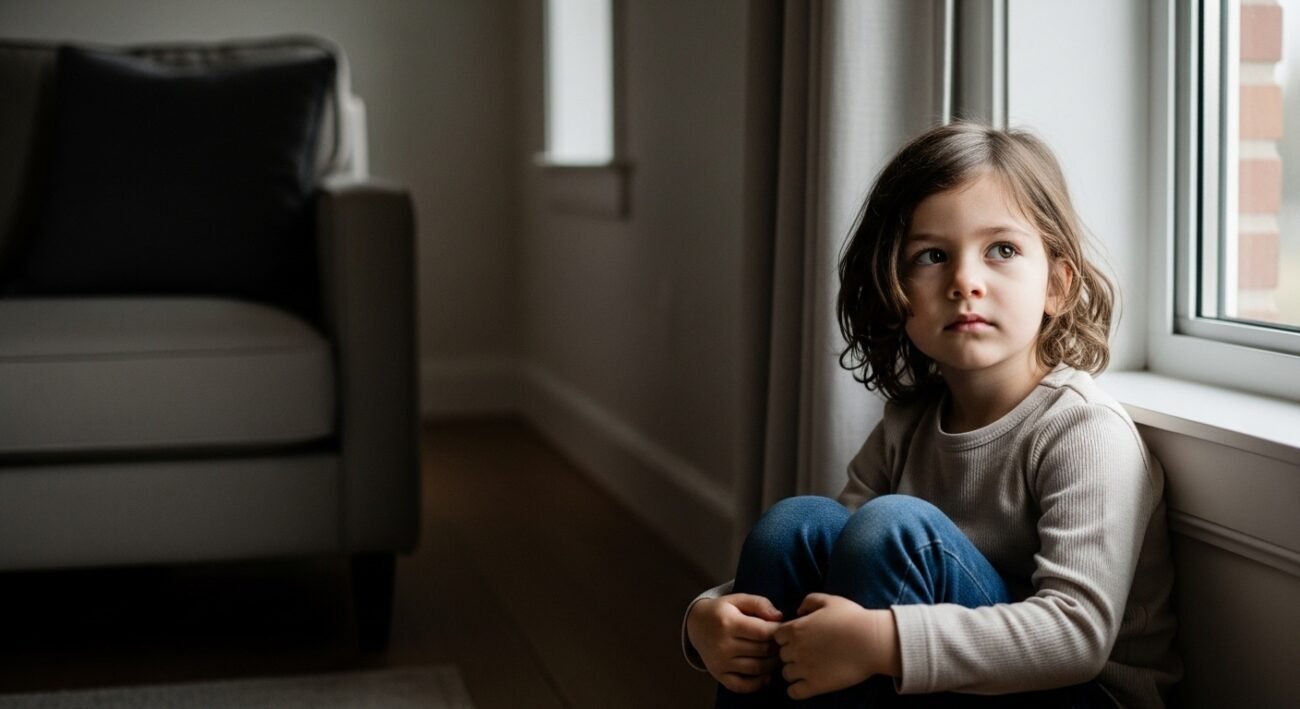
Children do not yet have the necessary vocabulary to describe their feelings of extreme stress and anxiety and total exhaustion. Students who face educational pressure will show their emotional state through their physical appearance and their changes in personal behavior. Parents and caregivers need to learn how to recognize these non-verbal cues which indicate that children require assistance instead of interpreting them as indicators of a negative disposition.
Physical Complaints (The “Mystery” Tummy Ache)
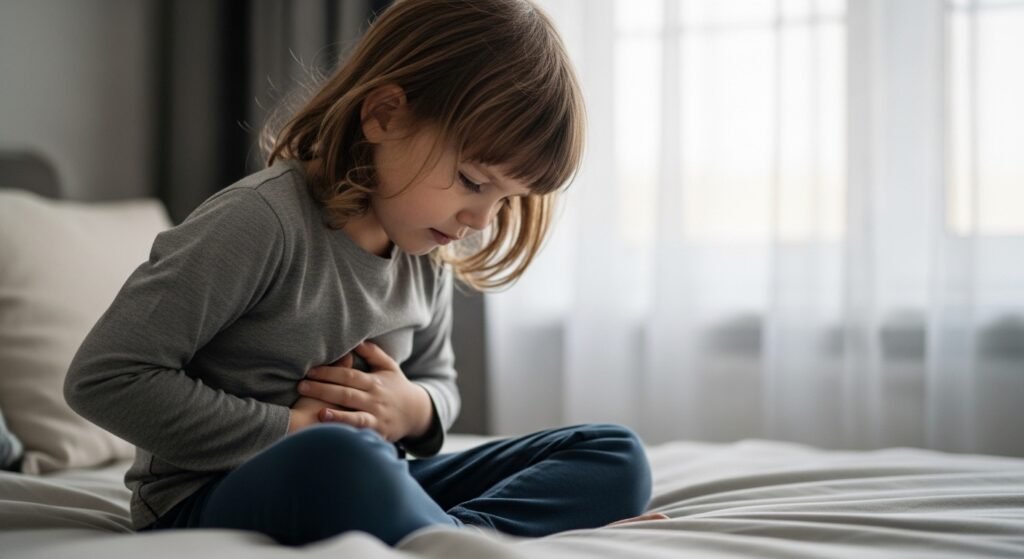
Children experience stress through physical symptoms which leads them to report actual bodily pain. Persistent headaches and stomach aches which doctors cannot explain serve as a warning sign of a medical condition. The child who frequently complains about a sore stomach before school and particular activities displays an emotional response to his situation.
Changes in Sleep Patterns
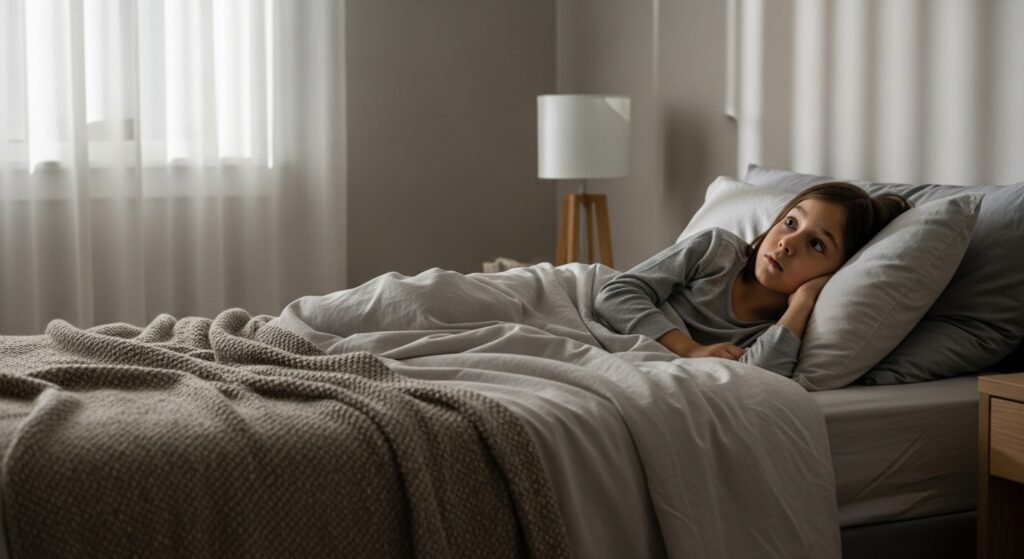
The nervous system gets disrupted by stress which prevents the body from reaching its state of relaxation. Sleep patterns were disrupted for the child who used to sleep through the night because he now experiences nightmares and needs frequent visits to your bedroom for drinking water. Older children may deal with their emotional distress by sleeping more than they need to .
Heightened “Clinginess”

A stressed child may become your “shadow. The child will follow you throughout the house while showing extreme distress when faced with the usual separation time for birthday party drop-offs. The child who shows excessive clingy behavior tries to find a secure base because their surroundings have become highly uncertain.
Withdrawal from Favorite Activities
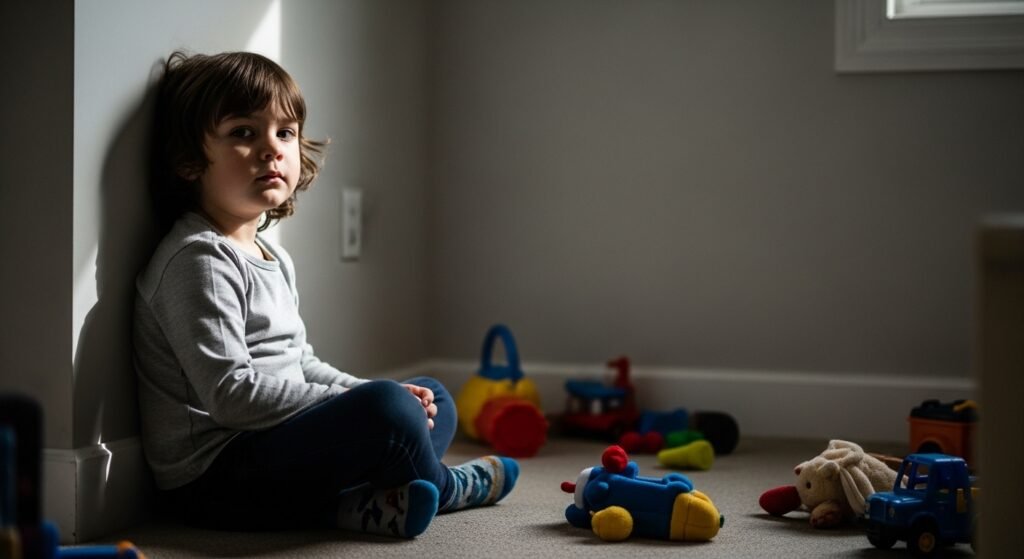
The brain loses its ability to participate in play activities when it enters its emergency response mode which stress induces. The child who stops playing with LEGOs and quits sports and no longer invites friends over shows signs of internal stress which pushes him to withdraw from social contacts.
Changes in Appetite
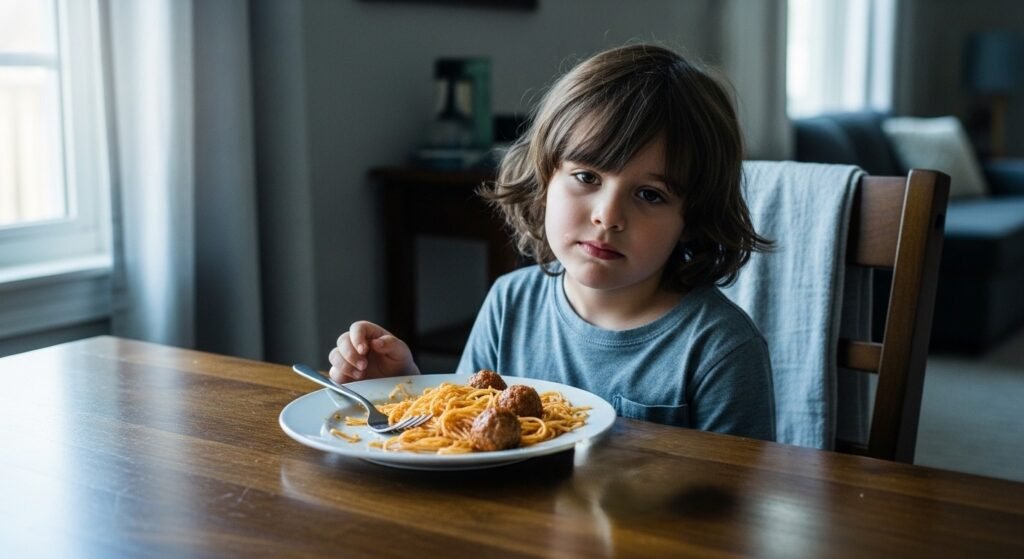
Stress causes people to either stop digesting food or choose to eat comfort food. The child who usually eats their preferred food now picks at it while requesting extra snacks constantly displays a need for self-comfort through sweet food items.
New Nervous Habits
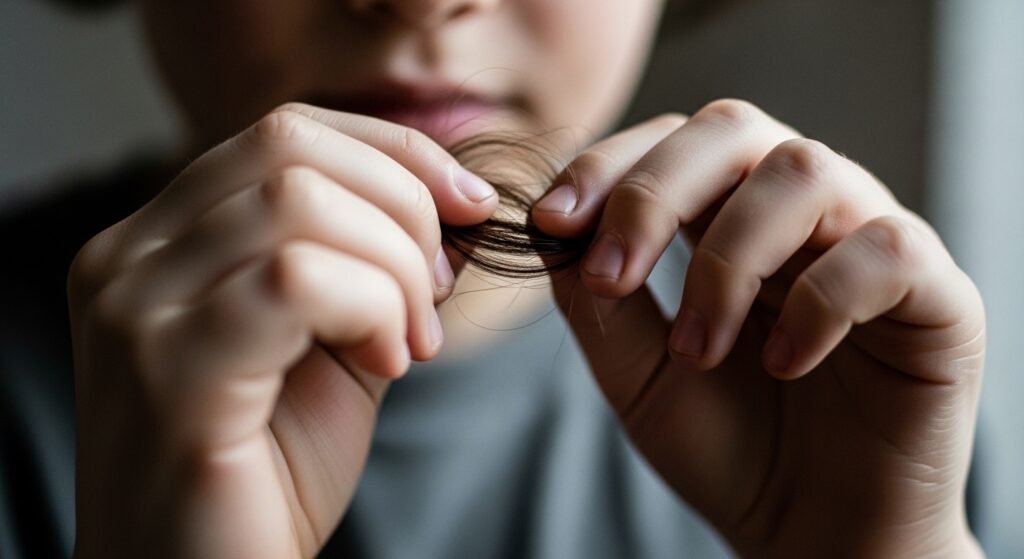
You should monitor the appearance of physical actions that children perform repeatedly. Children use nail-biting and hair-twirling and skin-picking and sudden facial tic movements to relieve their stress. The child performs these habits without awareness because they experience stress.
Hyper-Perfectionism
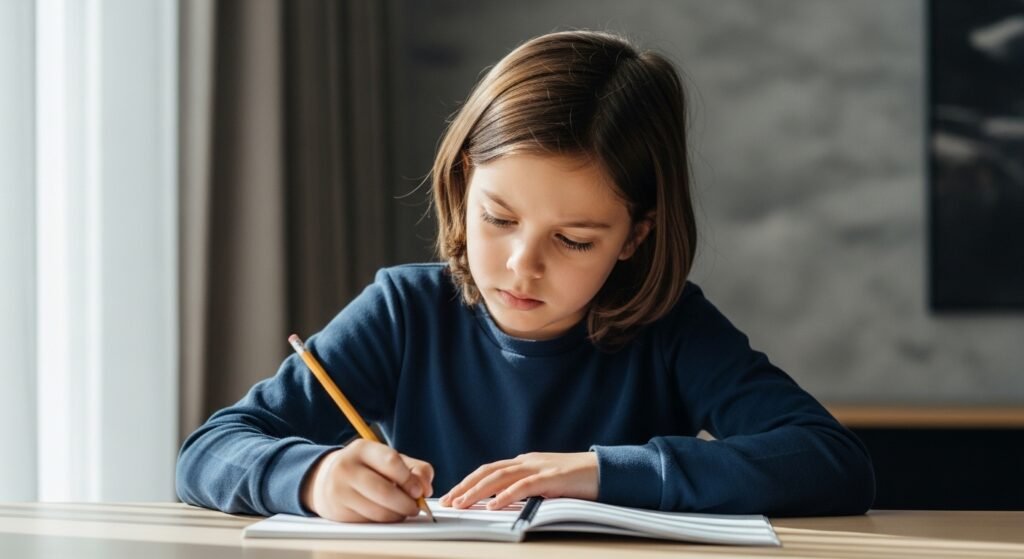
People who experience stress will show themselves through their strong desire to control all situations. The child who needs an A on every test will experience devastation if his drawing does not meet his standard of perfection. People who achieve excessive success do so because they want to control situations while avoiding any criticism.
Difficulty Concentrating
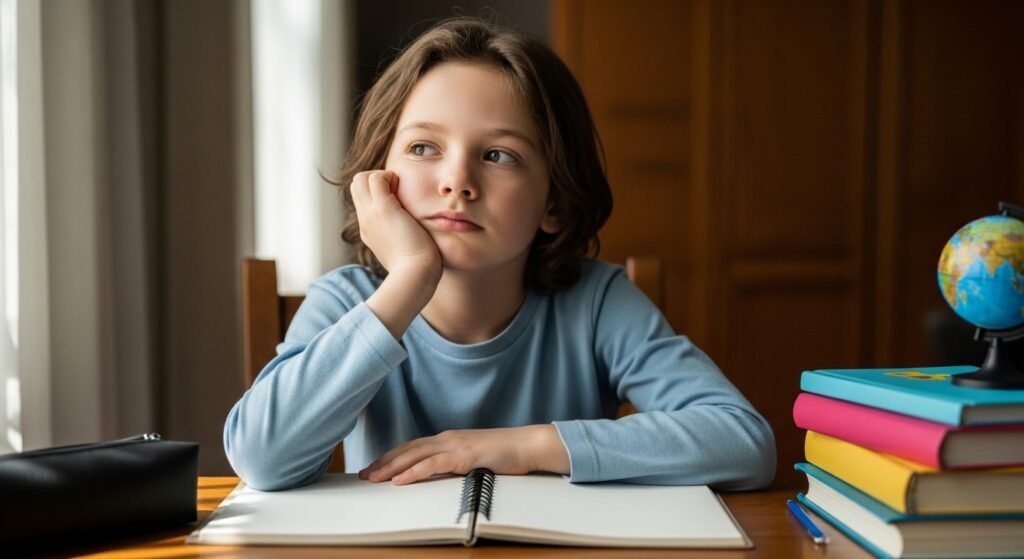
Worrying thoughts take control of the mind which limits its ability to process new information. The child who teachers perceive as daydreaming more than usual also struggles to follow simple instructions because he uses his mental energy to handle his stress.
Overreacting to Small Changes

Children use routine as a safe space to manage their stress. Their internal cup has reached its maximum capacity when they break down because you changed the dinner menu and took a different route home. Their mental capacity has already reached its limits which prevents them from handling more alterations.
