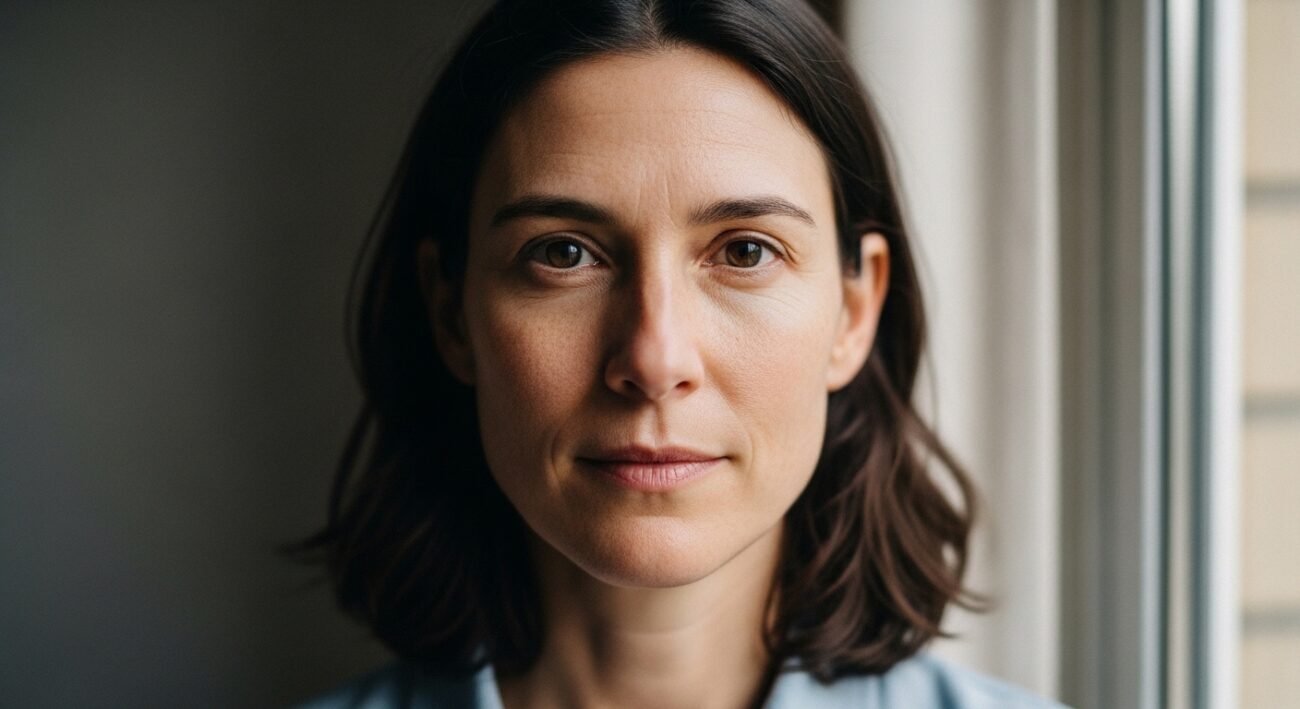
As life continues, skin is usually more erratic. Something effective yesterday might become ineffective today. This change is not cosmetic any less. Skin structure, cell activity and repair systems are the systems that change slowly under the surface. It becomes less efficient to be replenished by nature, the balance of moisture changes, and external stress makes an even deeper mark. Such changes manifest themselves gradually, and this is the reason why they are usually misconstrued or not taken seriously at all. Knowing what actually occurs in the skin can explain the idea of dryness, uneven colour, sensitivity, and the disappearance of firmness. When expectations are compatible with biology, treatment is easier, more relaxed and much more efficient in the long run.
Slower Cell Renewal
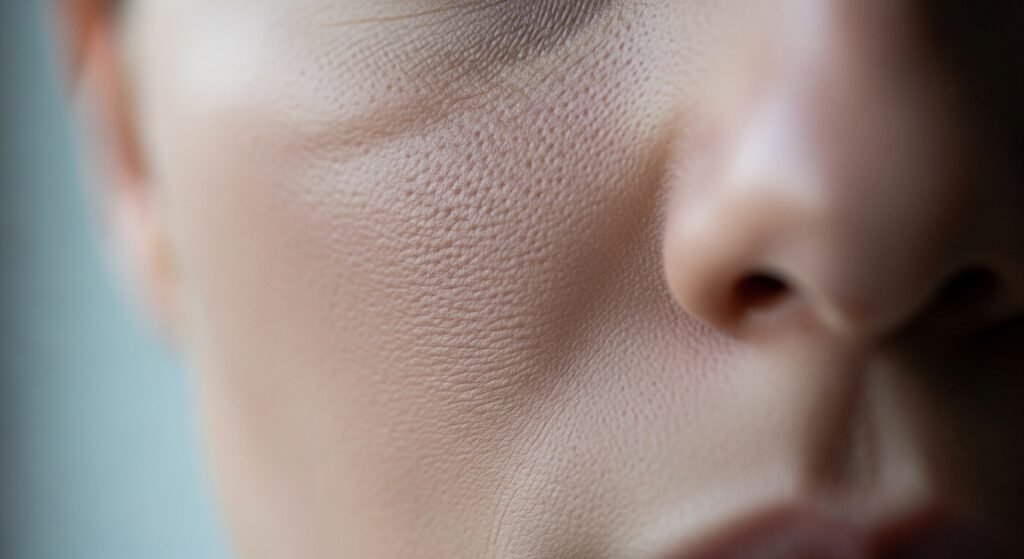
The skin cells do not replace themselves as often as time progresses. As skin gets old the cells remain longer on the surface, rendering the skin dull and uneven. This deceleration influences the texture, tone and the ability of the skin to regenerate after a day.
Collagen Support Declines
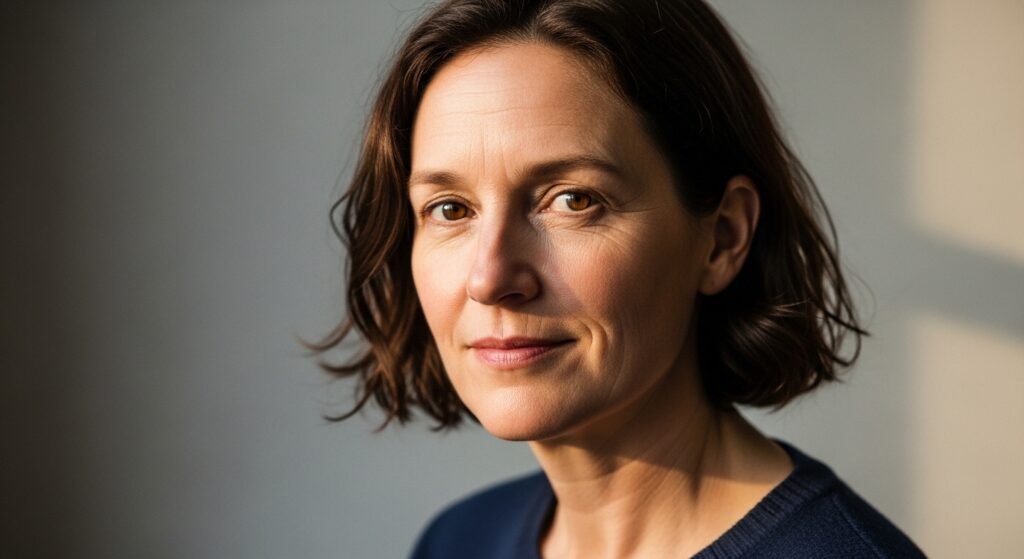
Collagen provides the skin with strength and structure. The production of the skin slackens gradually and becomes less firm. Fine lines are more pronounced as the internal structure that supports the surface is weaker and thinner.
Reduced Natural Oil Balance

Oil glands reduce their activity, particularly in regions that were previously balanced. This results in dryness and tightness. The skin can also be rough despite frequent washing since the natural oils that protect it are produced in lesser quantities.
Moisture Retention Weakens
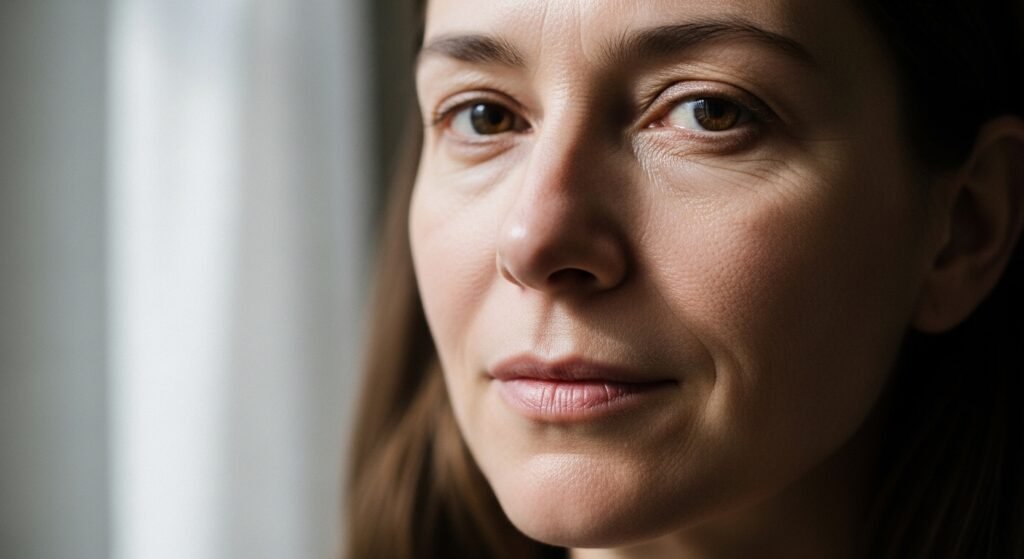
The situation is that the skin can no longer retain water effectively. The protective layer that retains moisture is weakened. Since the process of hydration loss happens to be more active, the skin may appear fatigued and uncomfortable, and respond more to the changes in weather.
Increased Sensitivity Over Time
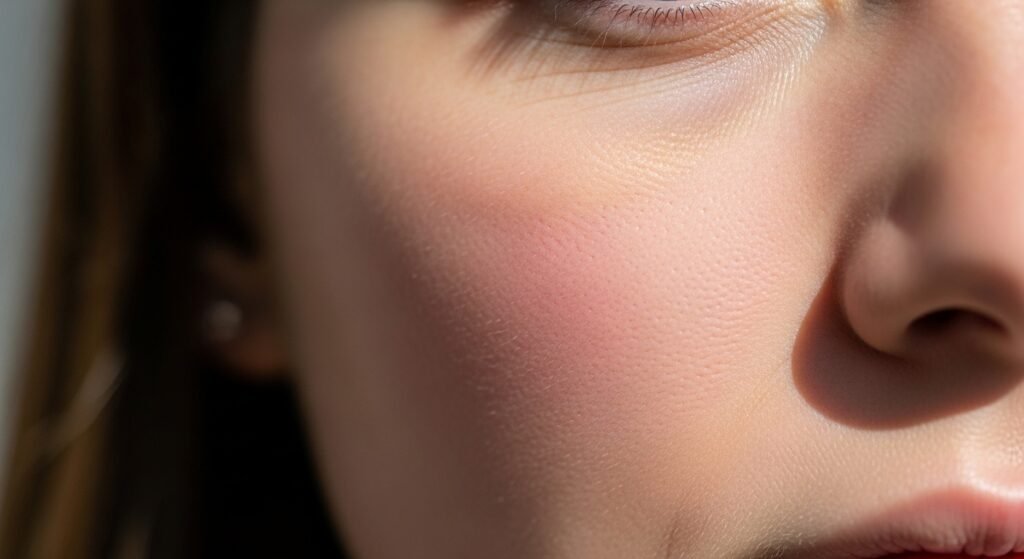
The structure of our skin barrier gets thinner as we age, and it is easy for irritants to break through the weakened skin barrier. Goods which were tolerated previously can now become uncomfortable. The redness, itching or stinging is because there are no protective defences as strong as they used to be.
Slower Repair Response
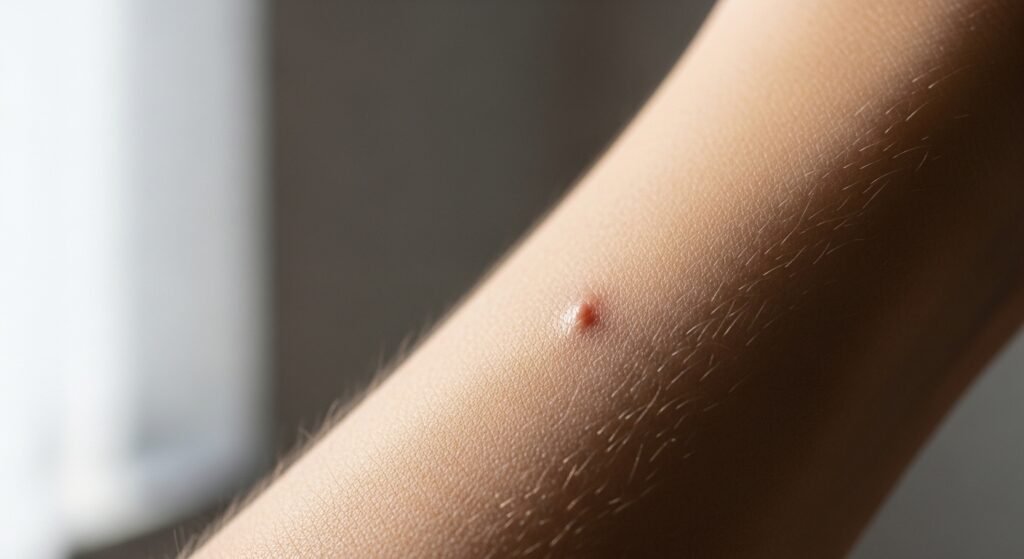
The process of healing becomes prolonged. Little spots, dry spots or imperfect spots are observable over a long time. The skin does indeed heal, but at a slower rate, and consistency of care is of more value than band-aid care.
Uneven Pigment Distribution

Pigment cells start operating in an irregular manner. There are those regions that generate a lot of colour and those regions that generate less colour. The effect of this is uneven tone or darker areas as they develop over a period, as opposed to happening instantly or in a dramatic fashion.
Thinner Skin Layers
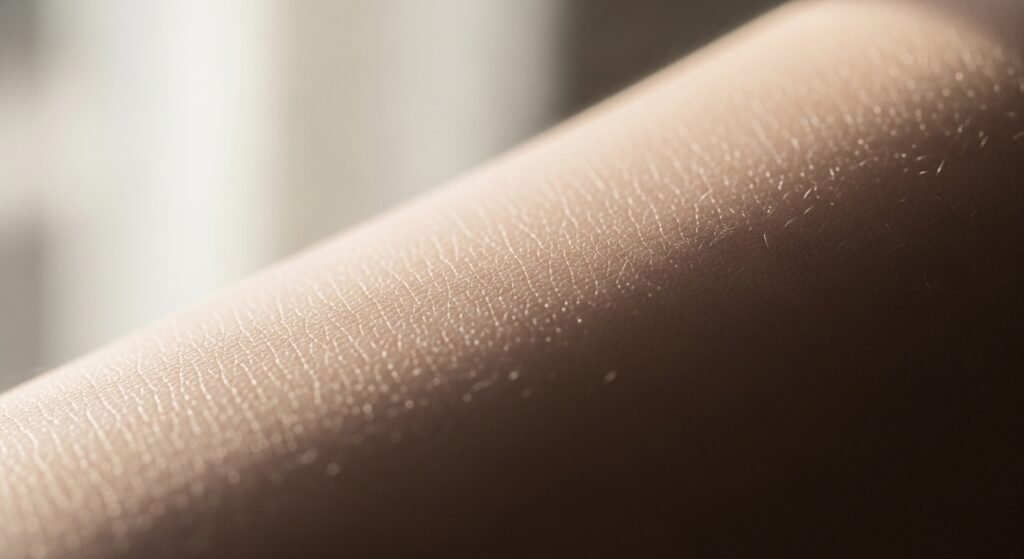
The outer and inner layers of the skin become gradually thinner. This causes underlying blood vessels to be more pronounced and less resilient. There is a possibility of bruising and marking the skin that is less cushioned and supported.
Environmental Impact Builds Up
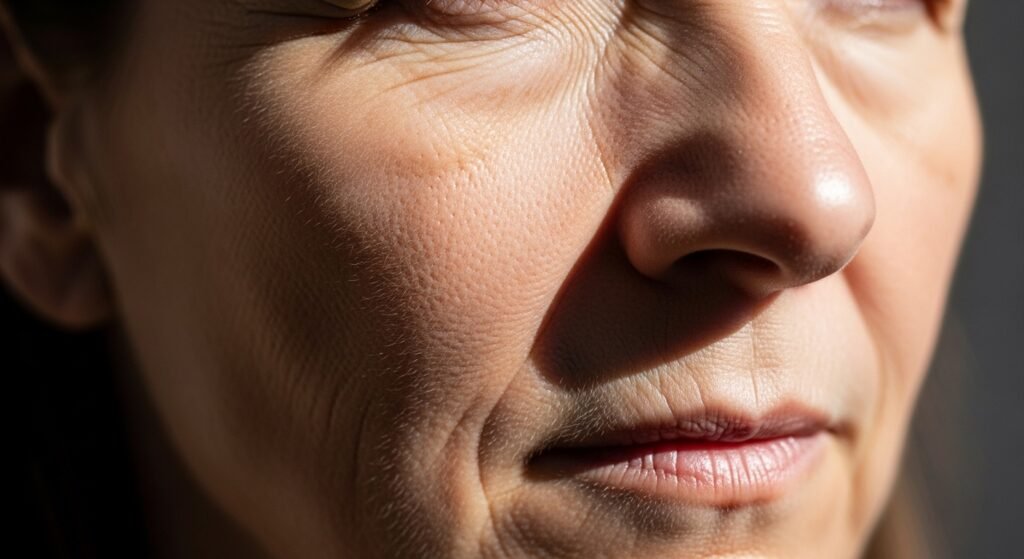
Decades of sunshine, pollution, and climate pressure build up. This exposure is recollected in the skin. The results are apparent after some time in the form of coarse texture, irregular tone, and loss of elasticity instead of instant visual deterioration.
Communication Between Cells Changes

Skin cells are dependent on signals to operate effectively. Gradually, these signals become weak. Slow communication leads to reduced efficiency of coordination between repair, renewal and protection and this results in the general behaviour and appearance of the skin.
Stress Response Becomes Stronger
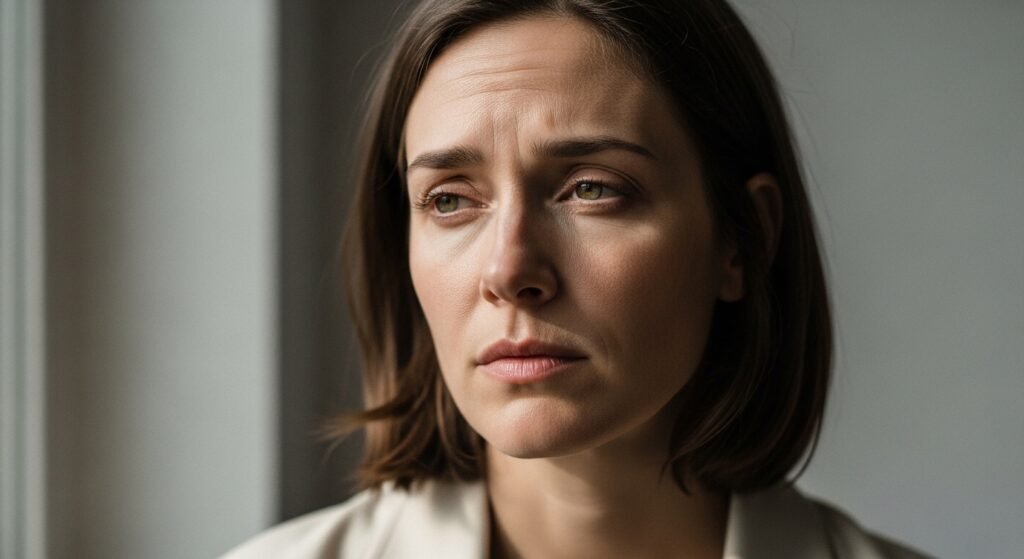
Internal stress is more evident in the skin. Unhealthy sleep, stress or exhaustion are more visible at the surface. The interrelation of the internal balance and skin condition is more visible, and lifestyle habits are becoming more significant.
