
And everyday life is transformed in minor and major ways when children move out. Rooms feel quieter. Routines shift. Energy used to devote personal time to others is now seemingly stolen. These are normal feelings which many parents have. This stage is not an indication of defeat. It signals transition. This period may be significant and balanced with constant steps. Emphasis is put on individual accountability and interpersonal development. Adapting does not require a push but a pull. Reorganising habits and thoughts, one can get a chance to find the purpose, the energy, and peace again. The next steps that can be applied practically to achieve emotional equilibrium and build a fulfilling next chapter are as follows.
Reconnect With Personal Interests

Go back to activities that induced relaxation or interest. Every day life has rhythm, meaning reading, music, gardening or learning a skill. Individual interests re-establish identity outside the caregiving and provide mutual fulfilment amidst shifting practices.
Maintain Gentle Communication

Always be in touch without glancing at the clock. Frequent contacts or scheduled calls are assured without interfering with autonomy. This equilibrium builds trust, alleviates anxiety, and develops great relationships with each other, being conducted on mutual respect as opposed to daily management.
Create a New Daily Routine

Form provides equilibrium in emotional swings. Basic meal, walking, and rest schedules are guiding. A soothing routine substitutes the old habits and does not make days long or ineffective.
Strengthen Adult Relationships
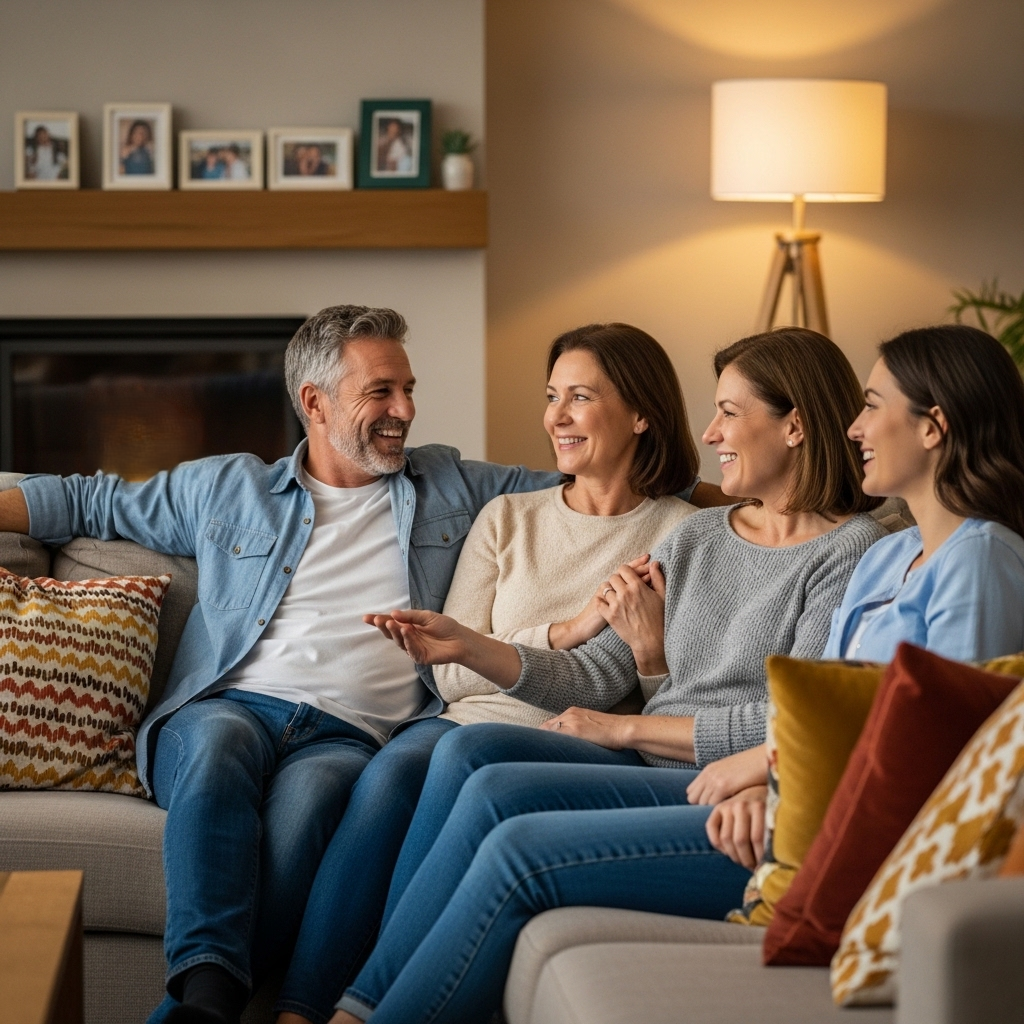
This is your opportunity to deepen relationships with partners, friends or family members. Meals or conversations with each other restore intimacy. Such relationships provide emotional backup and make you realise that there is a bond between you beyond parenting.
Redefine the Living Space
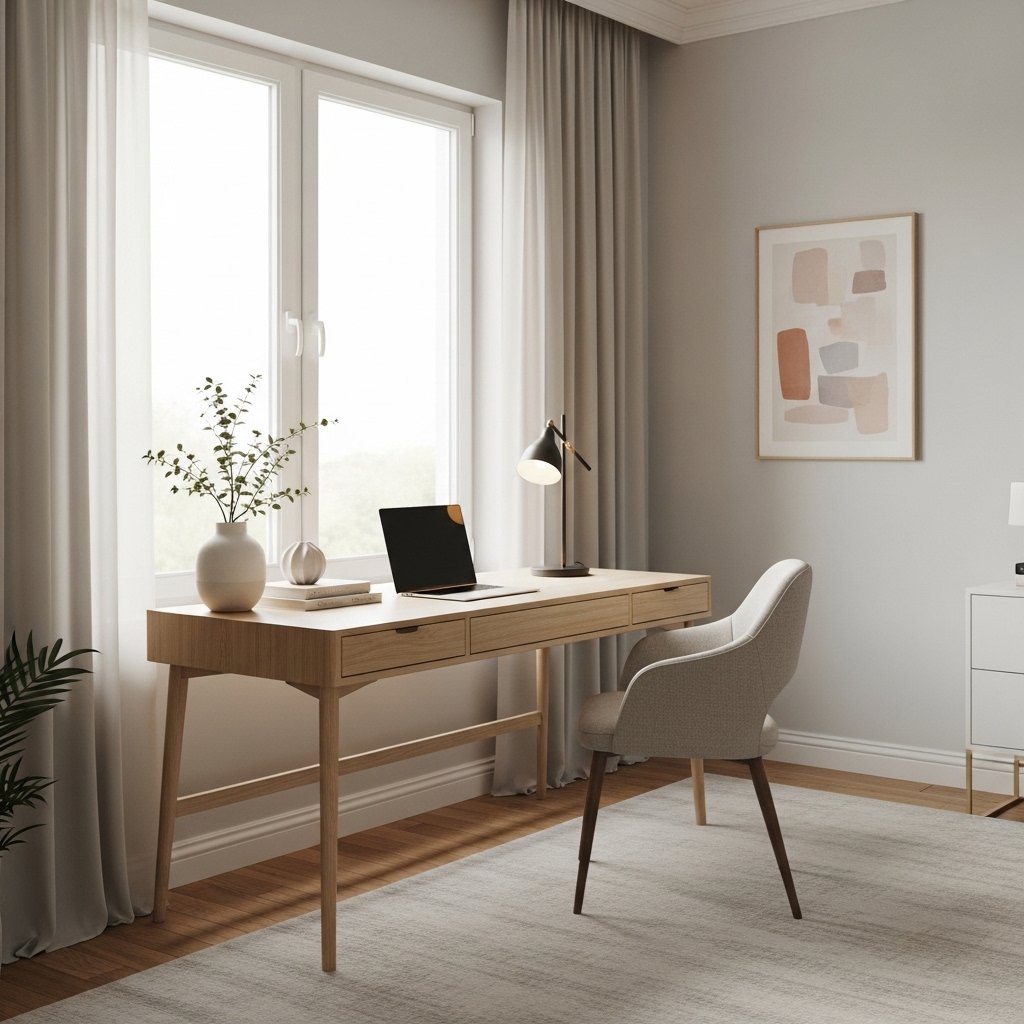
Modify the rooms to suit the present requirements. The home is refreshed by the reading corner, work desk or peaceful sitting area. Minimal changes are an indication of acceptance of a new stage and introduce a new comfort.
Focus on Physical Wellbeing

Daily exercise is good for maintaining one’s emotional balance. Light exercise, stretching or walking is more effective at enhancing mood and sleep. Body care increases resilience and helps to cope with stress without requiring work or a rigid schedule.
Volunteer or Help Others

Giving back time in a community gives back the intent. Serving others brings out vision and relationships. It makes the meaning out of empty hours and supports the importance of experience and compassion.
Practice Emotional Awareness
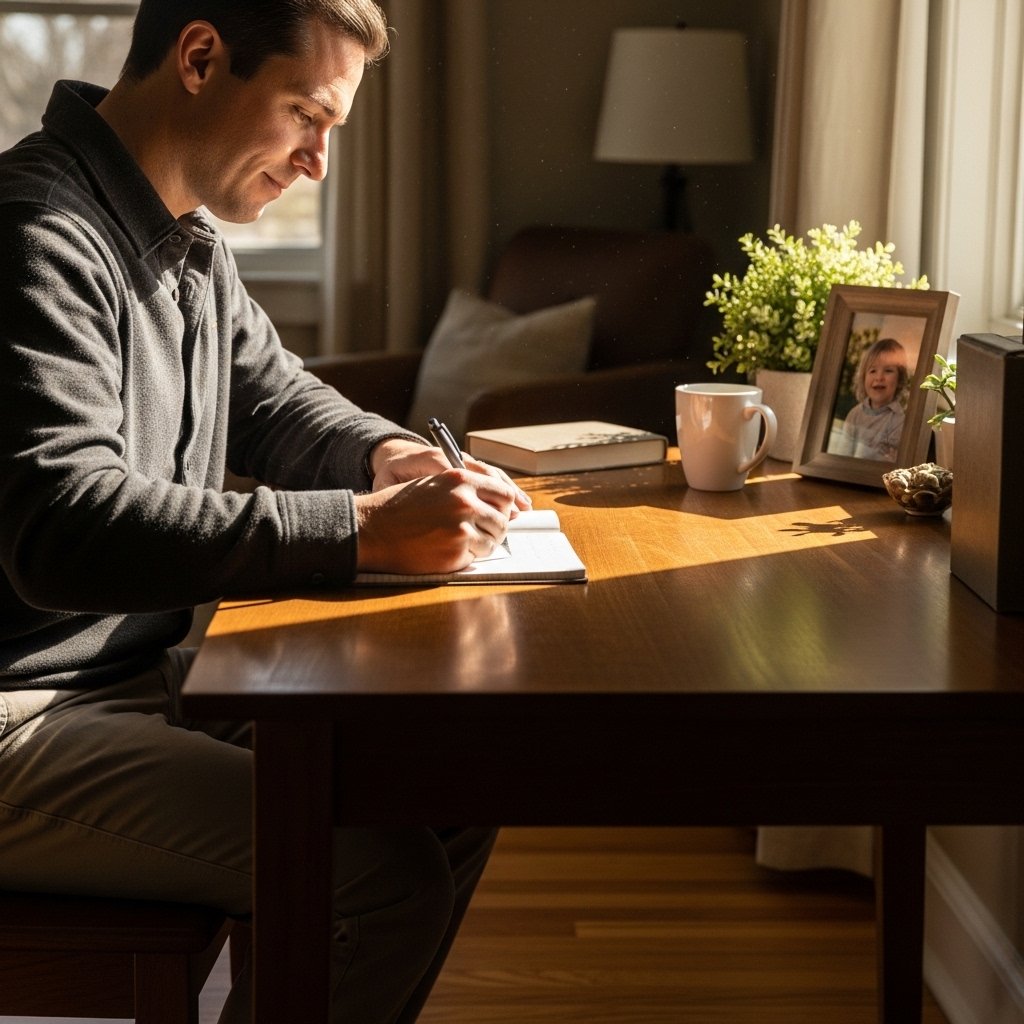
Recognise emotions without criticism. Changing thoughts by writing them down or sitting and feeling your emotions are ways of processing change. Consciousness helps to avoid the accumulation of emotions and promotes gradual acceptance of the changing family behaviour.
Set Personal Goals

Small goals bring direction. Focus is provided by learning, travel planning or creative projects. Goals, in contrast, are associated with purpose and redirect attention from stagnation to progress.
Seek Support When Needed

The relief is obtained through speaking with trusted people. Emotions are normalised through supportive conversations and provide clarity. Requesting advice signifies power and manages change with calmness and equilibrium.
