
The use of credit cards has become a normal aspect in the United States. They give speed, flexibility and ability to buy, which cash can never compete with. A large number of households depend on them in terms of groceries, travel bookings, medical bills, and online shopping. When put into practice, they are useful to develop credit history and create short-term breathing room. When used in an irresponsible manner, they may cause permanent debt and worry. Interest rates, minimum payments and reward programs all have influences on the spending habits in a subtle manner. Income, savings and long-term planning are all issues that need to be understood in terms of the influence that credit cards have on them so as to ensure financial stability and security in the future.
Convenience and Spending Habits
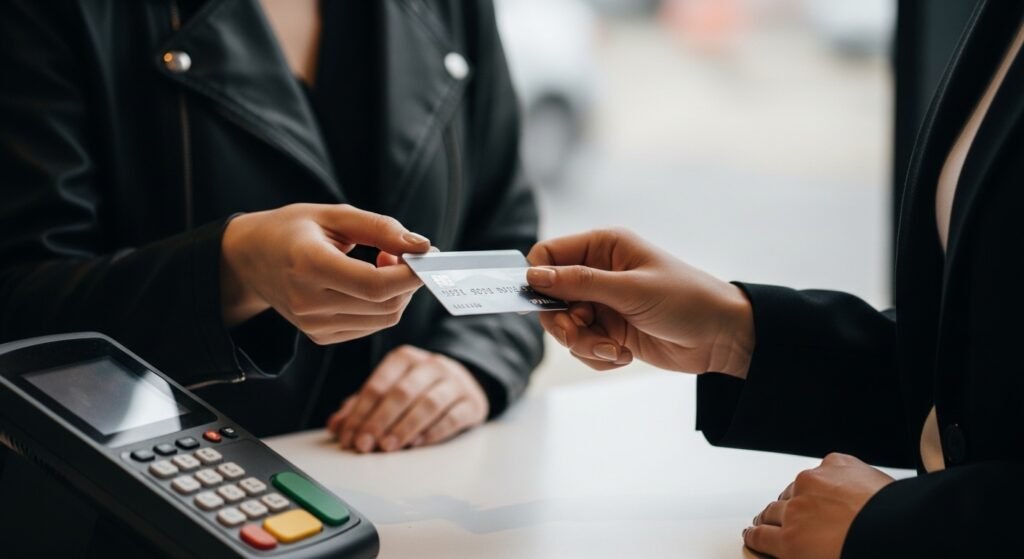
Credit cards eliminate the physical feeling of spending cash. Swiping is more convenient than giving over bills. This can be used to prompt impulse purchases. Numerous small transactions accumulate very easily and can even surpass the budgeted amount of a month.
Building a Credit Profile
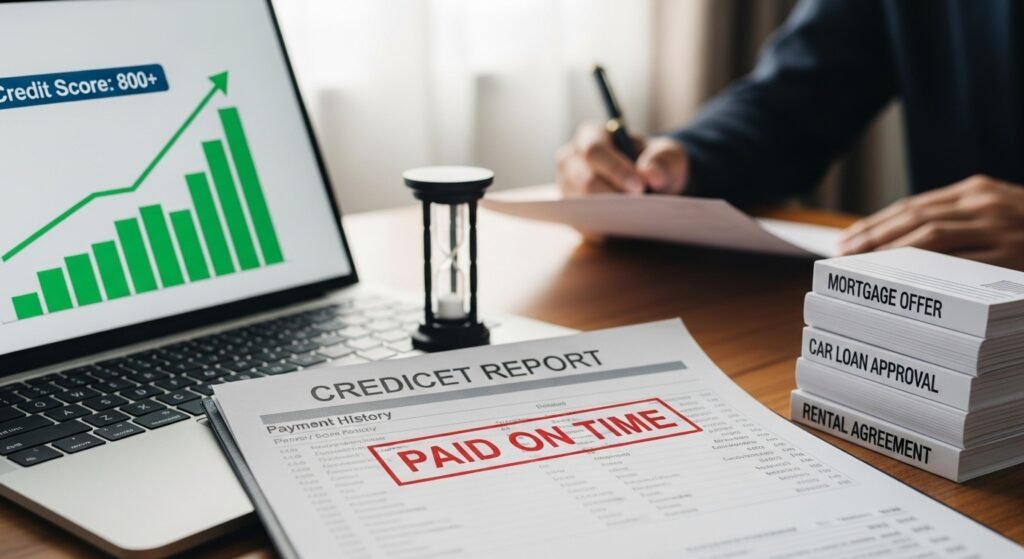
Payments that are made on time enhance a credit score. A high score enhances the availability of mortgages, automobile loans and rental contracts. Sound use demonstrates lenders’ trustworthiness. However, late payments are left on credit reports over the years and decrease many borrowing possibilities.
Interest Charges and Long-Term Debt
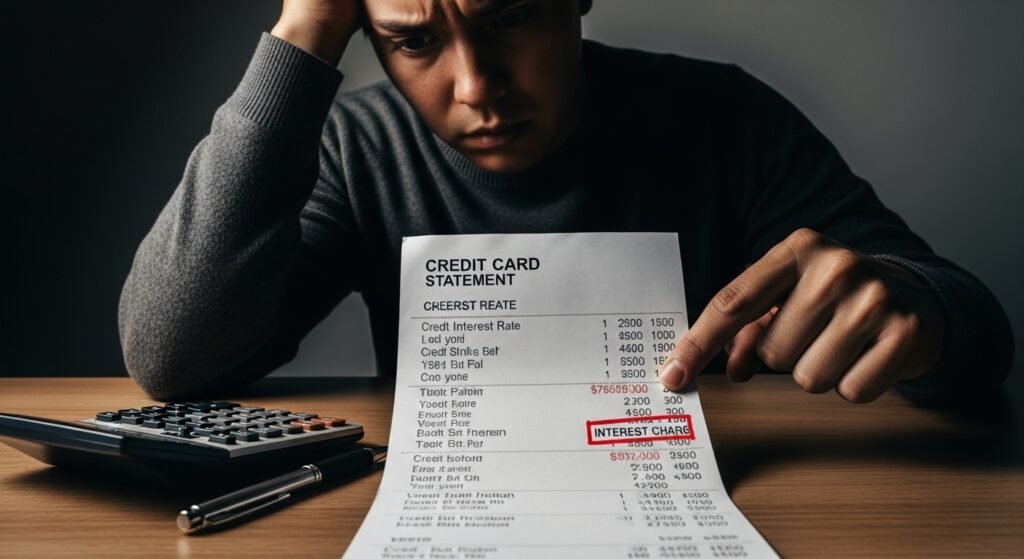
The cost of carrying a balance provokes interest. Interest rates tend to be excessive compared to other types of borrowing. Debt is an issue when minimum payments are made. Interest can be much higher than the amount that was initially bought.
Rewards and Cashback Programs
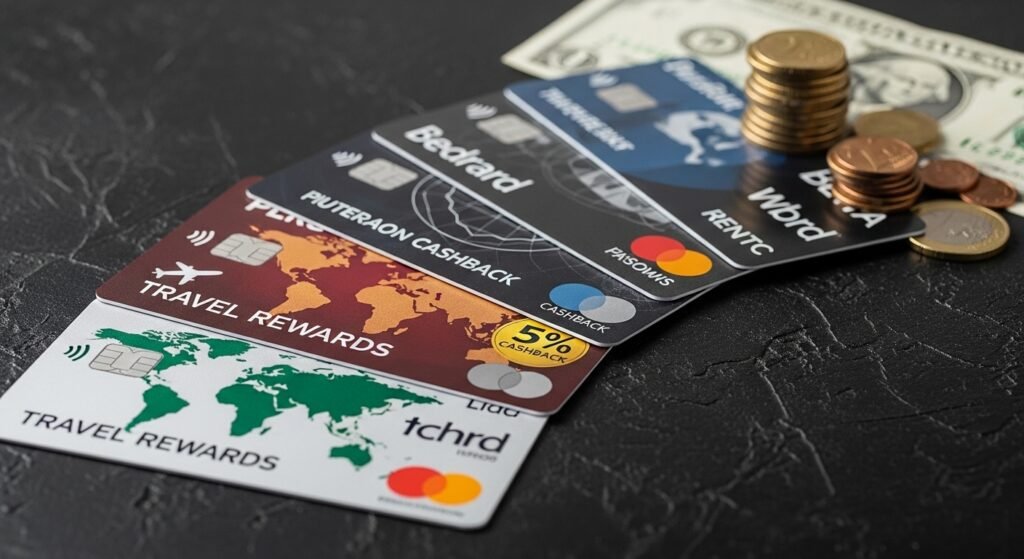
Several cards are provided with travel points or cashback offers. These advantages are able to save on costs where balances are paid. Rewards however, perk up spending. The points value can hardly compensate for high interest rates.
Emergency Financial Cushion

Credit cards are a speedy way of accessing funds in instances of unforeseen situations. Medical requirements or emergency repairs may be in need of urgent payment. Although priced in crises, taking credit without any repayment schedule will put a strain on future earnings.
Impact on Savings Goals

The monthly payments are high, hence there is less money to save. Emergency funds and retirement funds can be hit. Regular payments of debts can postpone the growth of investment. It will be more difficult to have financial security when there are credit balances.
Psychological Effects of Debt

Continuous debt produces anxiety. Statements received monthly act as reminders of a duty. Family choices can be subject to financial pressure. Undistorted repayment plans alleviate stress and enable one to regain control.
Balance Transfers and Refinancing Options

Some consumers are taking advantage of balance transfer deals to reduce interest rates in the short run. This would facilitate repayment, provided it is handled well. Nevertheless, the promotion periods end. There will be a risk of balances increasing once introductory rates are over without discipline.
Influence on Household Budgeting
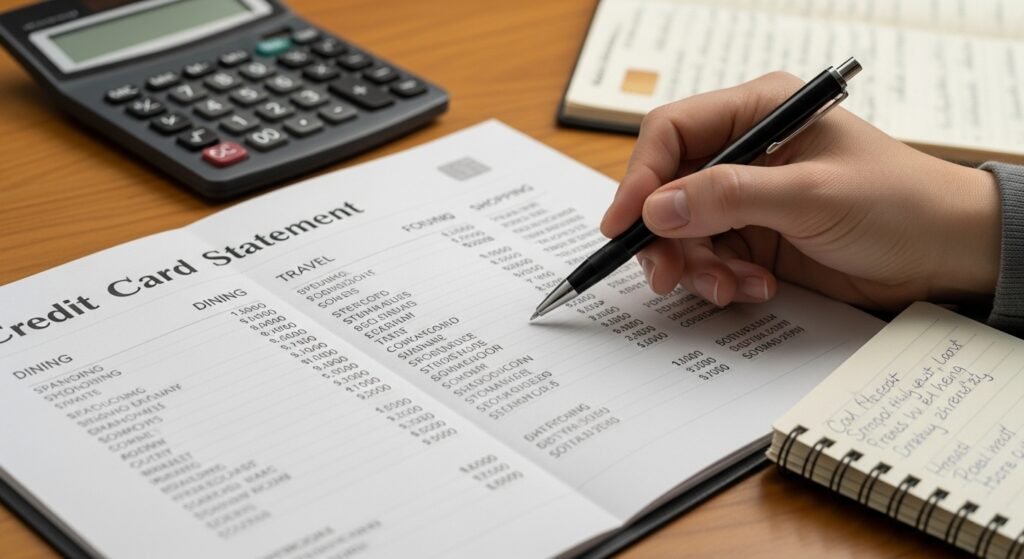
Statements of credit cards have in-depth records of spending. Such summaries assist in monitoring such categories as dining or travel. When checked on a monthly basis, they bring out trends. Disregard of statements will also enable unneeded expenditure to pass unnoticed.
Risk of Fees and Penalties
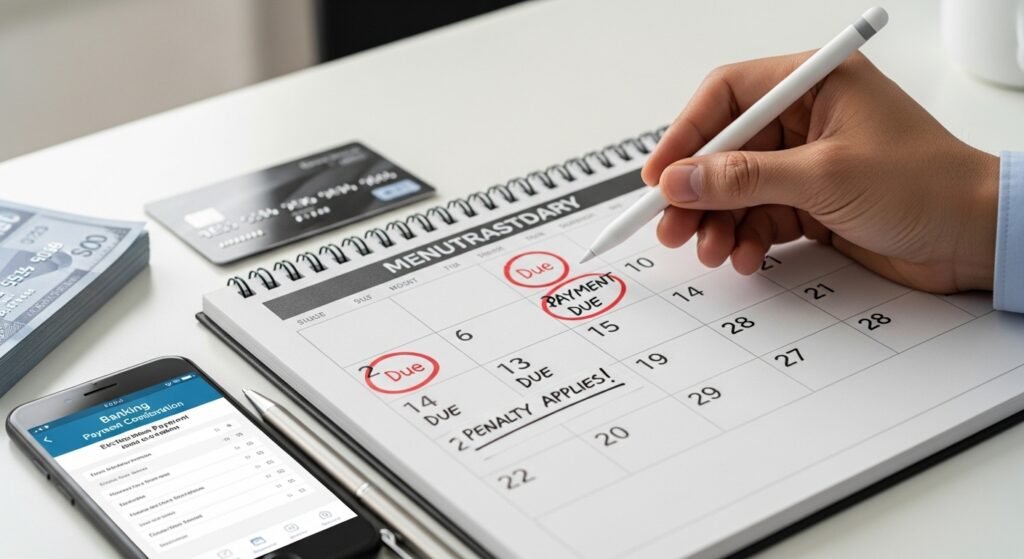
Penalty interest rates and late fees are expensive. The failure to meet a single due date will instigate other charges. Electronic payments minimise this risk. Strict calendar control safeguards finances and credit position.
Digital Security and Fraud Protection

Fraud monitoring and purchase protection are also provided in most credit cards. Sometimes the unauthorised charges may be contested. This will provide a sense of security as opposed to money dealings. Nevertheless, the consumer should verify statements to identify suspicious activity in time.
