
Couples need more than grand overtures to have happy marriages. They develop using daily attitudes, silent decisions and regular behaviour that promotes trust and emotional stability. Satisfied and long marriages tend to have some common unique features, which enable wives to balance out relationships both in the peaceful and hard moments. These characteristics do not concern perfection or self-sacrifice, but conscience, communication, and respect for each other. They mirror the way people react to change, show care and stay connected over the years spent living together. The following characteristics bring out patterns that are often observed in married wives who are fulfilled and happy in marriage.
Emotional Awareness
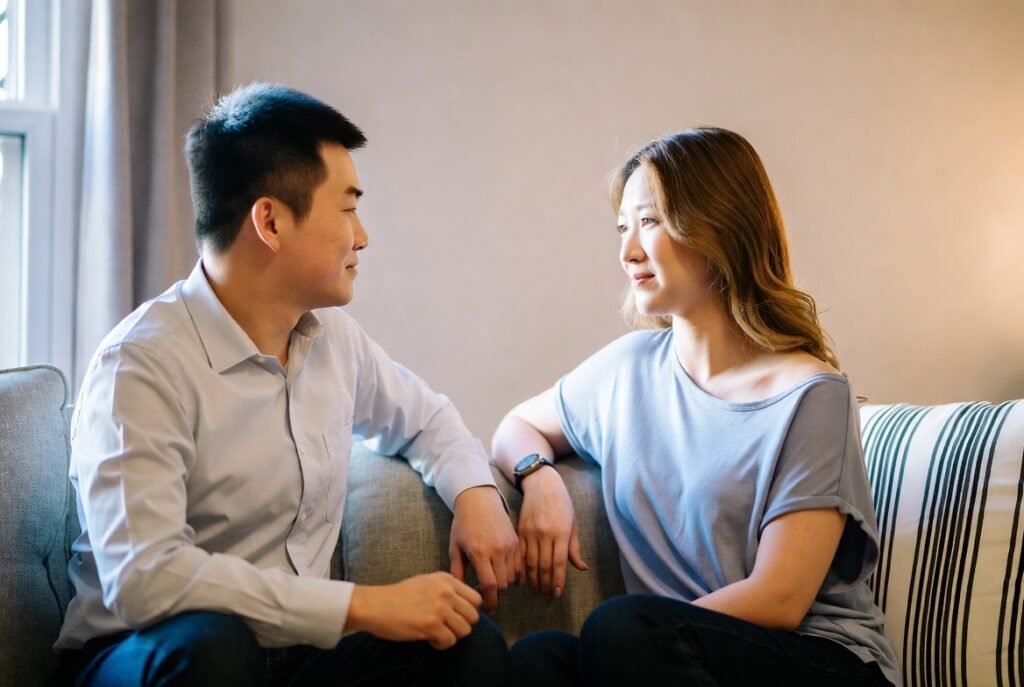
They know how they feel and express those feelings coolly. This is where open dialogue becomes a means of clarity, rather than confusion and emotional stability in hard times, so communication isn’t at extremes or nonexistent.
Respectful Communication

They talk clearly and in a friendly way, even when there is a dispute. Polite phrases help to relieve stress, make one listen, and make both parties feel special and thus, problem-solving is more constructive rather than emotionally draining.
Consistency in Support

They do not just provide consistent support on high-profile occasions, but also on regular days. Such trust and reassurance of the partner by this reliability and the feeling of emotional security, which is achieved, would give the feeling of long-term commitment.
Personal Independence

They uphold personal interests, views and objectives. This self-reliance helps in building self-confidence, ensures that the couple does not become emotionally dependent, and the marriage flourishes based on a mutual decision or will and not force.
Patience During Conflict

They give room to feelings so that they have time to cool down and then react. Patience contributes to preventing hasty responses, facilitating reflective conversation, and limiting the harm of disagreements to future knowledge and relationships.
Appreciation of Effort

They also observe and recognise minor contributions. Showing appreciation motivates good behaviour and enhances goodwill, as well as reminding the partners that the simple things they do contribute to the greater accountability.
Adaptability to Change

They change expectations when circumstances in life change. Flexibility prevents the marriage from encountering any changes in career, family roles and personal development without introducing any unnecessary friction and resentment.
Healthy Boundaries

They also adhere to individual boundaries, but they also observe common obligations. Established boundaries safeguard personalities, minimise misunderstanding and enable both partners to feel safe without making them feel dominated and neglected.
Problem-Solving Mindset

They are focused on solutions, not blame. This way, conversations will lose a bit of the defensive tone and not force partners to dwell on previous arguments, but make it possible for them to continue with their lives.
Emotional Stability

They can cope with stress without passing the same to the relationship. Stability of emotions leads to peaceful interrelations and helps to avoid the development of low-level problems into tension and distraction.
Commitment to Growth

They perceive marriage as a changing relationship. Being open to learning, contemplating and even getting better is a way of maintaining a connection, so that the relationship is supportive and the relationship will not be weak with each other as the two people develop over time.
