
Children once explored neighbourhoods with loose schedules, paper maps, and very little adult supervision. Many daily lessons came from trial, error, and quiet observation. Rules felt simple. Curfews mattered. Trust was earned through behaviour, not tracking apps. Small mistakes became personal teachers. Children learned responsibility by managing time, solving conflicts, and navigating simple risks alone. Today, families rely on faster communication, constant updates, and tighter routines. Safety tools offer comfort but reduce independent problem solving. Retrospect reveals that children once established patience, judgment and confidence through ordinary challenges. Decisions about awareness and resilience were informed by these experiences, in a very tangible way.
Finding Your Way Home
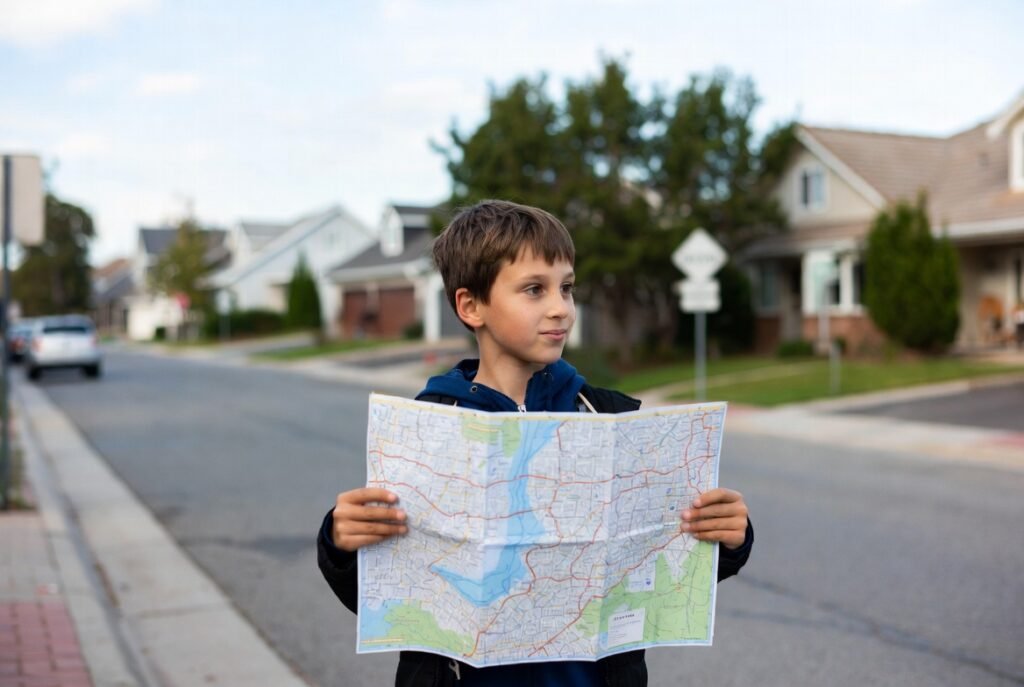
Paper maps, street signs, and asking neighbors guided children home. They memorized turns, landmarks, and bus stops. This habit strengthened spatial memory and confidence while teaching polite communication, attention to detail, and steady thinking during unfamiliar journeys.
Handling Small Injuries
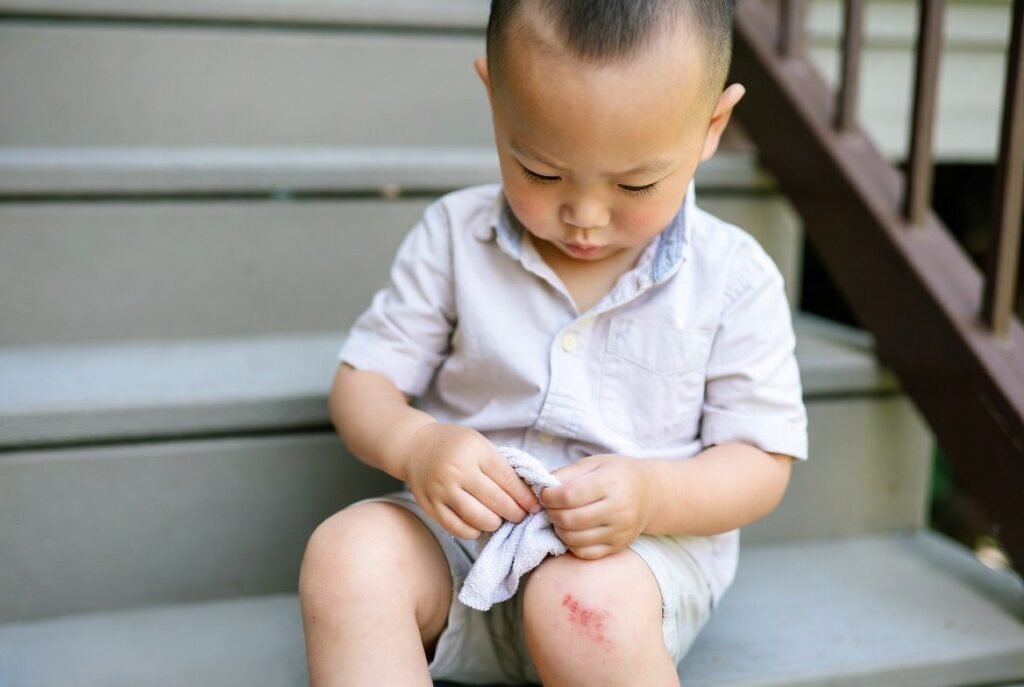
Scraped knees meant washing, drying, and covering wounds independently. Children learned basic care, cleanliness, and when to seek help. These simple habits encouraged responsibility, patience, and awareness of personal health without immediate adult assistance.
Managing Allowance Money
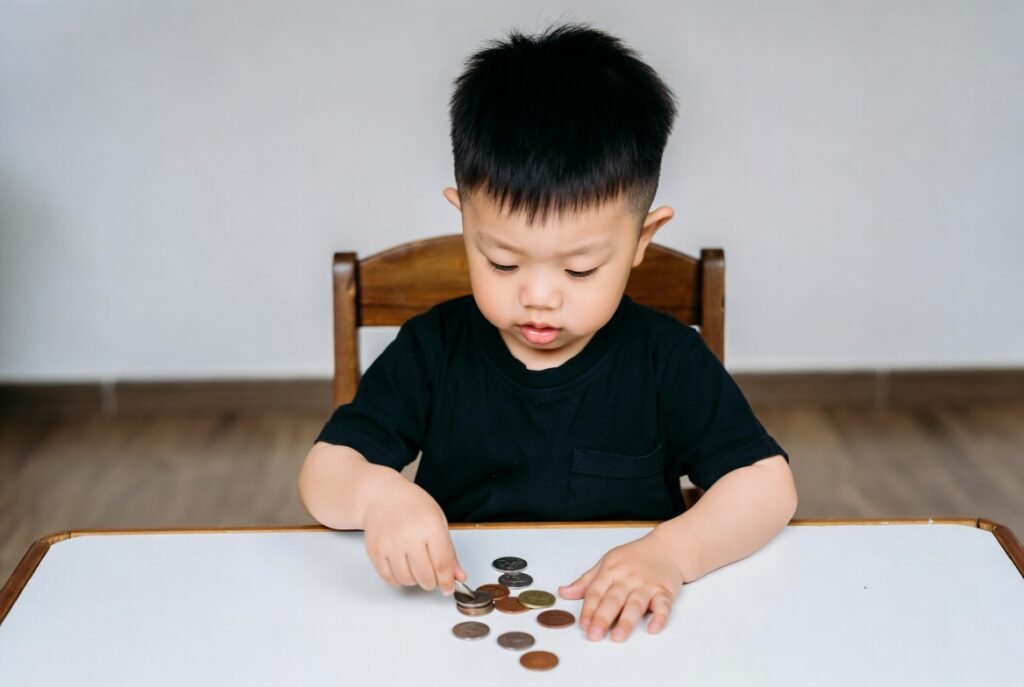
Weekly coins required budgeting for snacks, comics, or small toys. Children counted change, compared prices, and planned purchases. This early money practice taught saving, prioritizing needs, and understanding value through everyday decisions.
Resolving Playground Disagreements
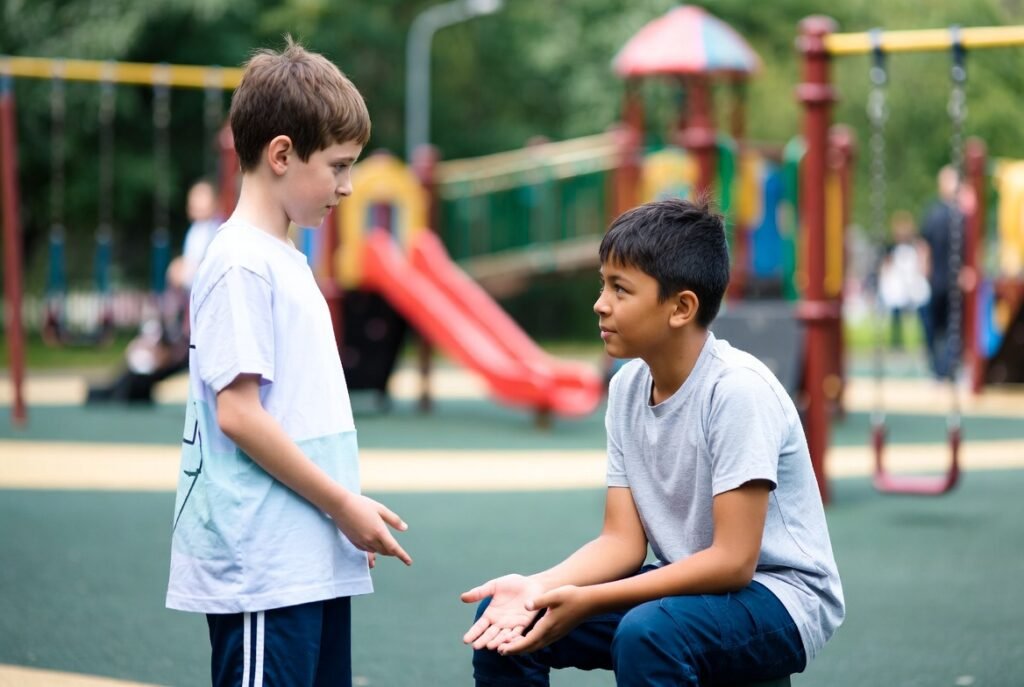
Arguments over turns or games were settled through talking, sharing, and compromise. Children learned negotiation, listening, and fairness. These social messages reinforced the ability to communicate and also helped with responsibility without the immediate adult intervention.
Remembering Important Dates
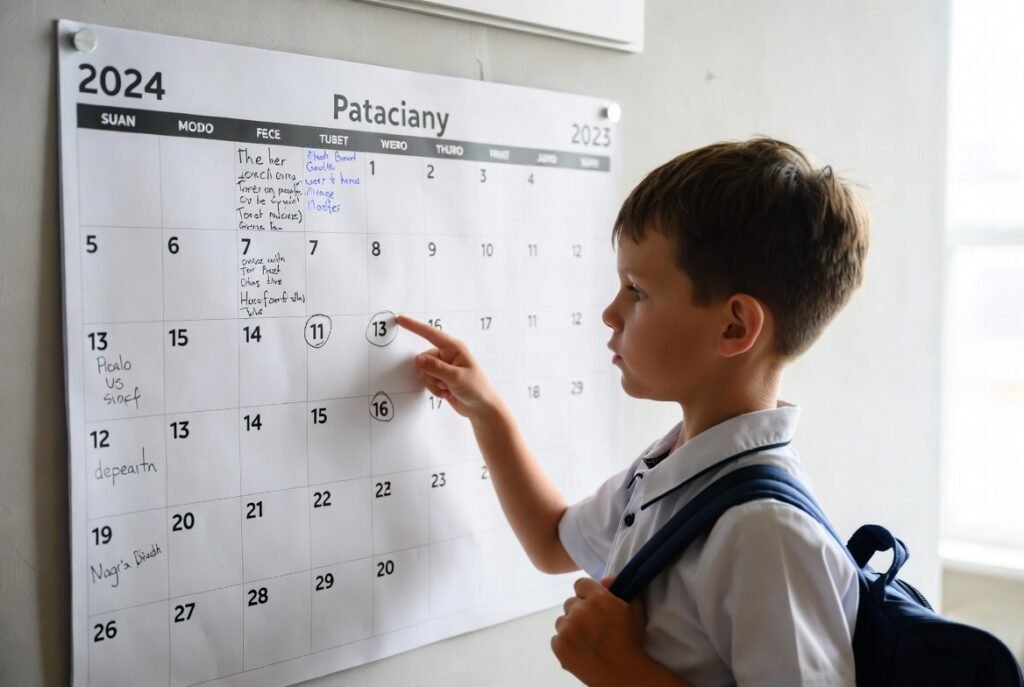
Birthdays, school functions and library due dates were kept up with mentally or scribbled on rudimentary calendars. Forgetting meant consequences. This routine improved memory, planning habits, and personal responsibility.
Preparing Simple Snacks
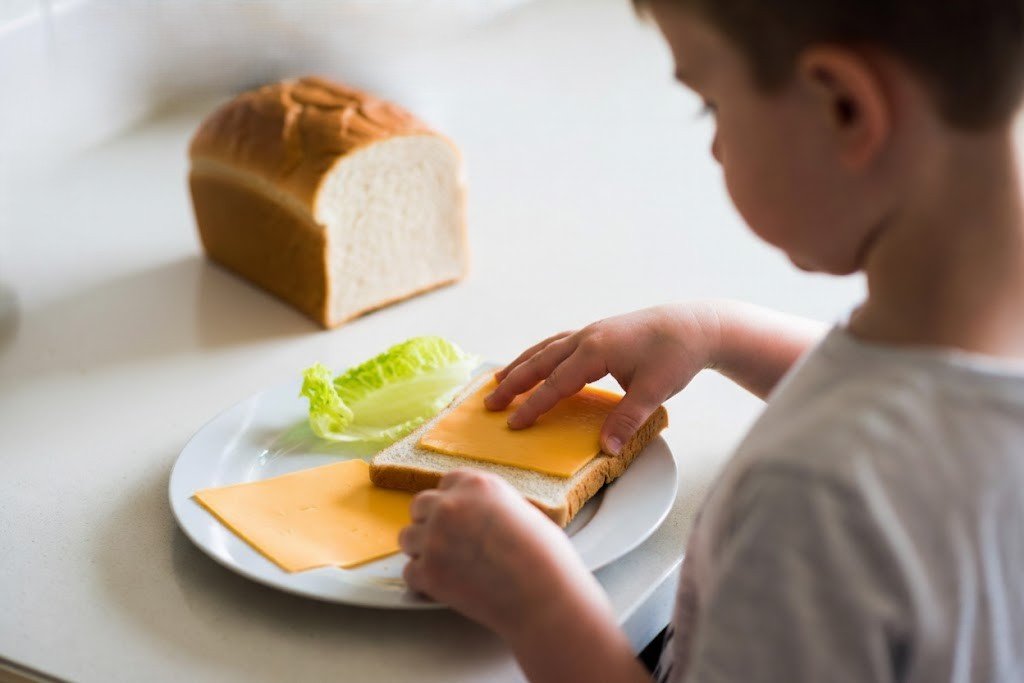
Sandwiches, fruit bowls and hot drinks were made separately. Cleanliness, safe handling and timing were the lessons children learned. These habits instilled confidence in daily household duties and respect for communal areas.
Walking to Nearby Stores
Quick errands required knowledge of the road, polite greetings and the right change. Children learned safety habits, simple communication, and time management through regular neighborhood walks.
Caring for Shared Items
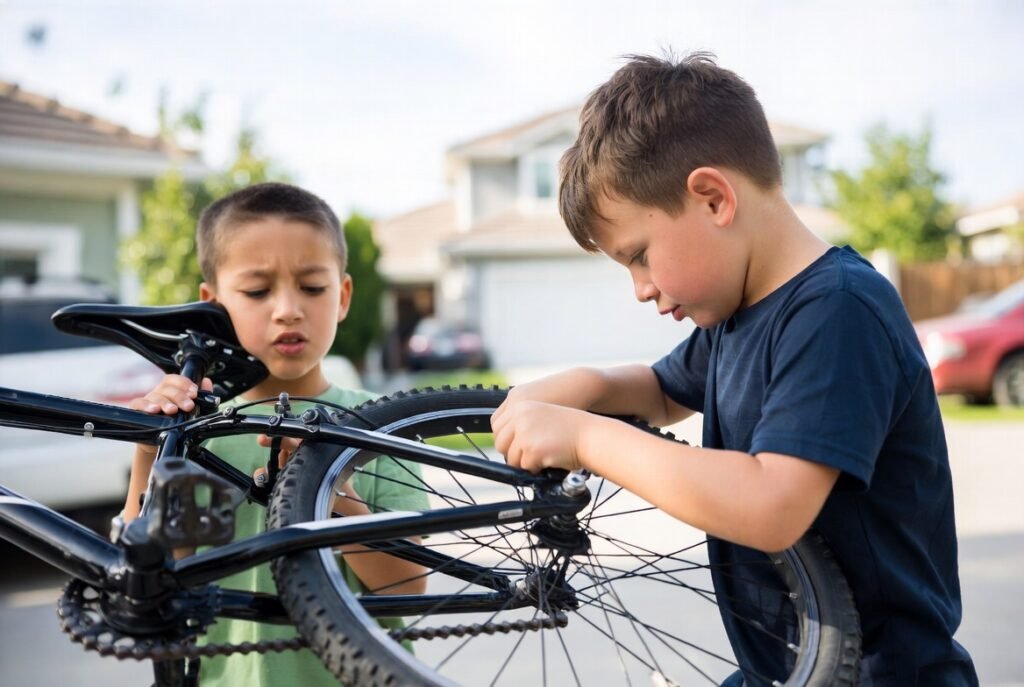
Books, bicycles, and board games were maintained carefully. Damage meant fewer privileges. It was a lesson in respect for one’s property and shared responsibility and accountability to one’s neighbours.
Learning Through Boredom

Quiet afternoons were ideal for reading, drawing and playing outside. Children were coming up with creative inspiration, learning patience and working out problems without the aid of a digital device.
Memorizing Phone Numbers

Important contacts were remembered rather than stored digitally. This habit strengthened memory, preparedness, and confidence during unexpected situations.
Following Curfews Independently
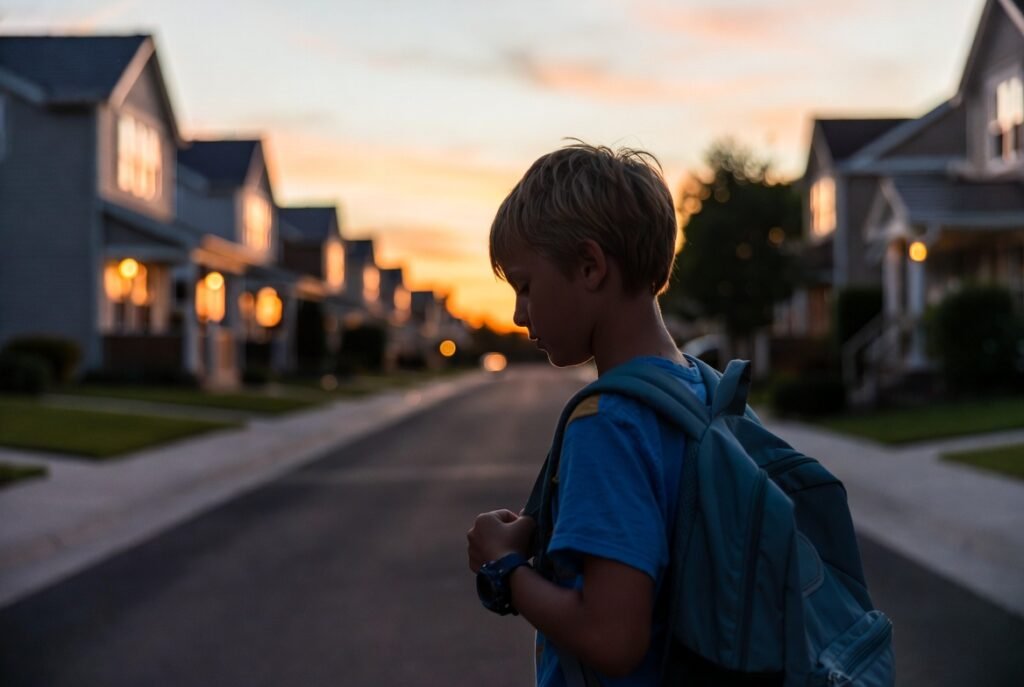
Coming home on time took self-monitoring and organisation. It was the routine rather than specific activities that taught children to be aware of time, to discipline themselves and to respect household rules.
