
There is a drastic transformation in the manner in which individuals are planning their future in relation to finances. Modern realities are redefining traditional means of thinking that were focused on the long-term stability, stable career patterns, and the predictability of economic conditions. The reason is that the emerging trends in saving, investing, and long-term planning are being affected by various factors including increasing living expenses, the changing employment environment, and greater availability of digital financial solutions. Instead of a one-size-fits-all methodology, individuals are taking more flexible and personalized approaches. Those financial changes indicate that there is an increased recognition that future planning needs to be flexible to uncertainty, opportunities, and shifting priorities, which in turn will result in more agile and resilient ways of dealing with money.
Towards the Flexible Financial Planning

Individuals are no longer basing their plans merely on the strict long-term plans. They are instead developing flexible financial plans that can adapt to evolving conditions, e.g. career changes or economic instability.
Reducing dependence on single source of income

Having one source of income is not that widespread anymore. People are seeking side-hustles, freelance and passive-income avenues to build financial stability.
Early and Consistent Investment Focus
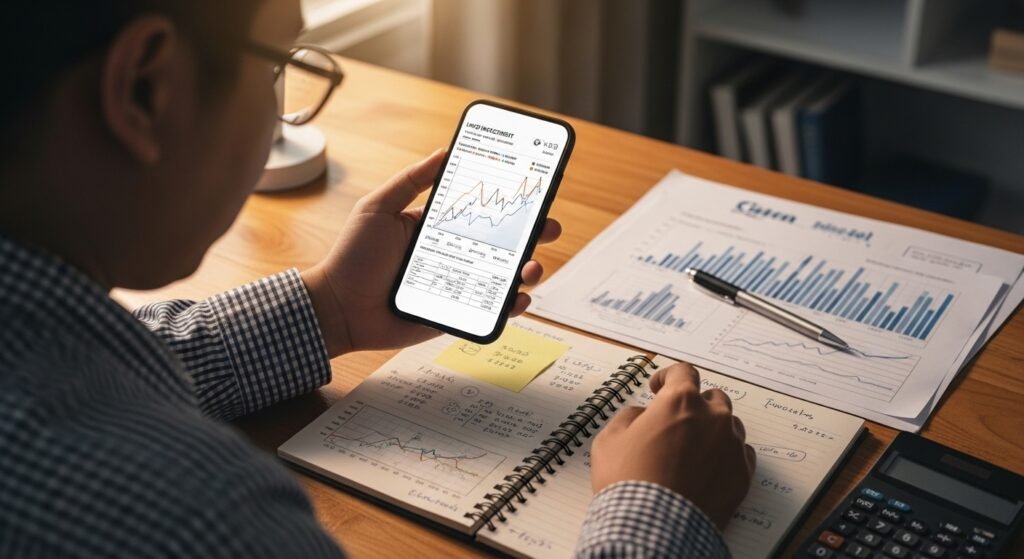
An increased focus on early initiation of investments and consistency is on the increase. Small contributions are also being noted to have a long-term growth potential.
Additional utilization of digital financial instruments

Financial trackers, investment platforms and budgeting apps are making money easier to monitor and manage in real-time, which allows them to make a more informed choice.
Emergency Funds should be prioritized

It has become necessary to construct a financial safety net. The population is making adequate savings so they can meet any emergency costs without any form of debt.
Redesigning Conventional Landmarks

Early homeownership and set ages of retirement are being rethought. People are re-setting these milestones depending on the individual taste and economic reality.
Weighing the current and Future Expenditure

Instead of trying to make only long term savings, most are trying to enjoy the present, but at the same time, planning of the future and thus, they are making a more balanced approach to finances.
Increasing Financial Education Awareness

Individuals are dedicating an additional amount of time in understanding personal finance, and are now capable of planning and making sound decisions.
Focus on Long-Term Stability

People are not seeking a quick cash flow anymore as social growth and financial stability in the long term are more important to them than quick profits.These changes are indications of a larger change in the way individuals perceive money.
Reconciling Money and Personal Foresight

Individual values are taking over as important factors that influence financial decision making, like lifestyle choices, work life balance and future aspirations.
