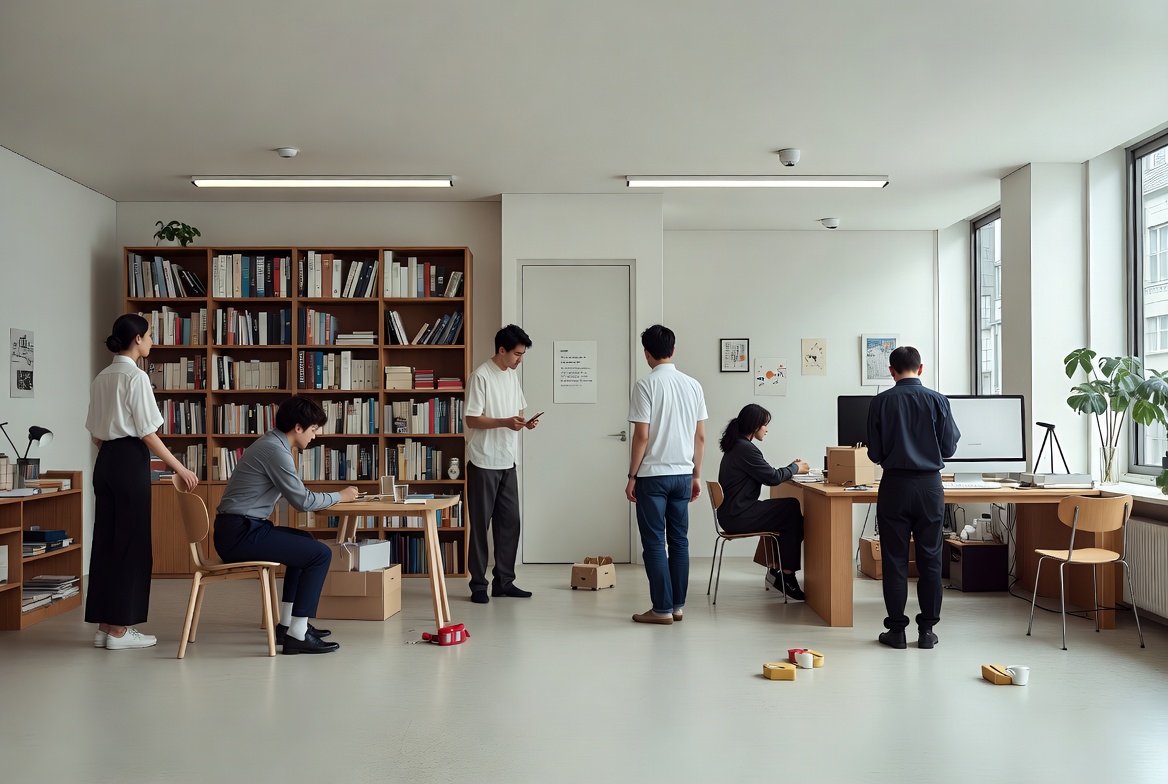
Routines make daily life flow on shared, tiny responsibilities. Not difficult, technical or time-consuming. They just need some effort and awareness. If you find yourself annoyed by those activities in particular, it’s more likely a deeper reaction to not wanting the rote responsibilities than there being something wrong with them. This happens at home, in the workplace and in public spaces. These responses undermine cooperation, trust and productivity. Such behaviours are part of the routine pattern everywhere else. Discomfort with them implies an unusual resistance to giving one. Each one stresses something small you can do to maintain order, efficiency and respect instead of requiring you to employ more effort than it’s worth.
Returning Items to Their Place
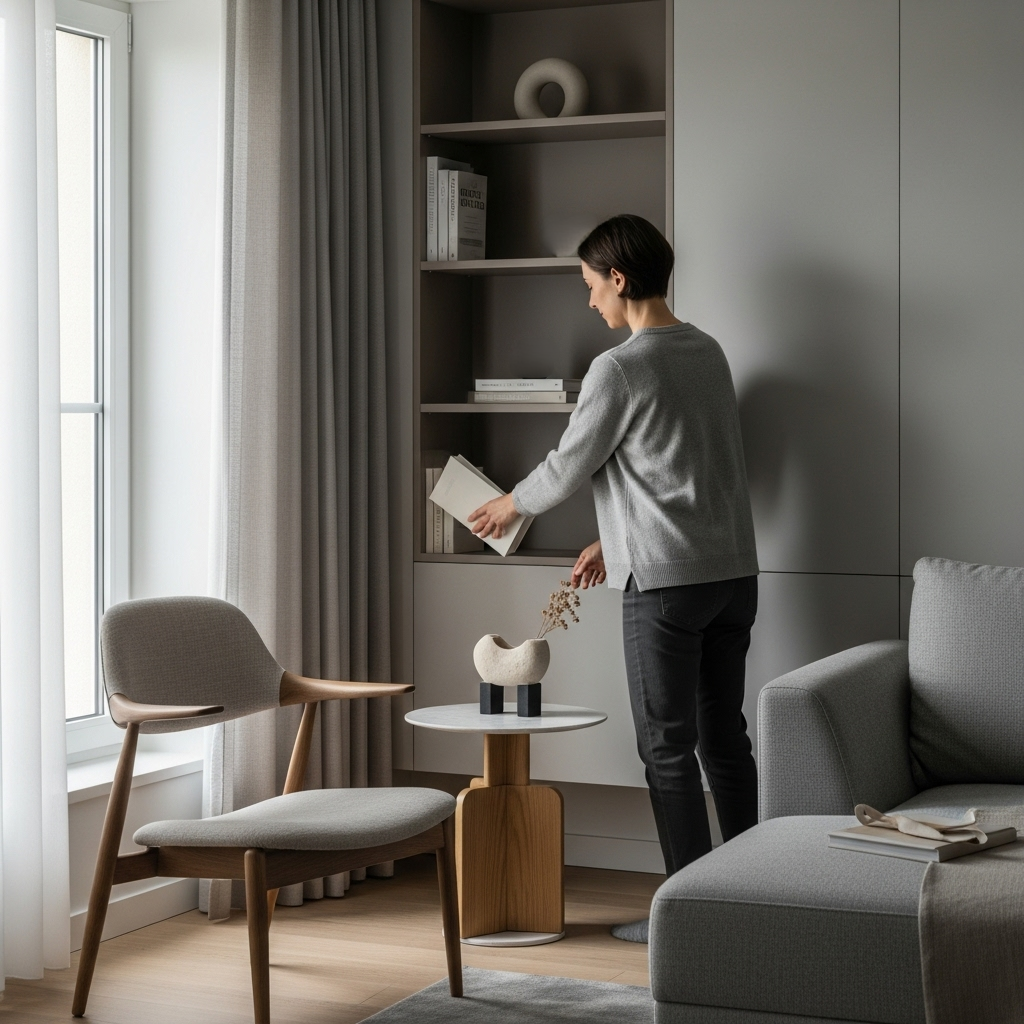
Putting things back after use maintains order. It saves everybody time later. Getting irritated about this practice suggests talking about basic responsibility and common spaces.
Reading Simple Instructions
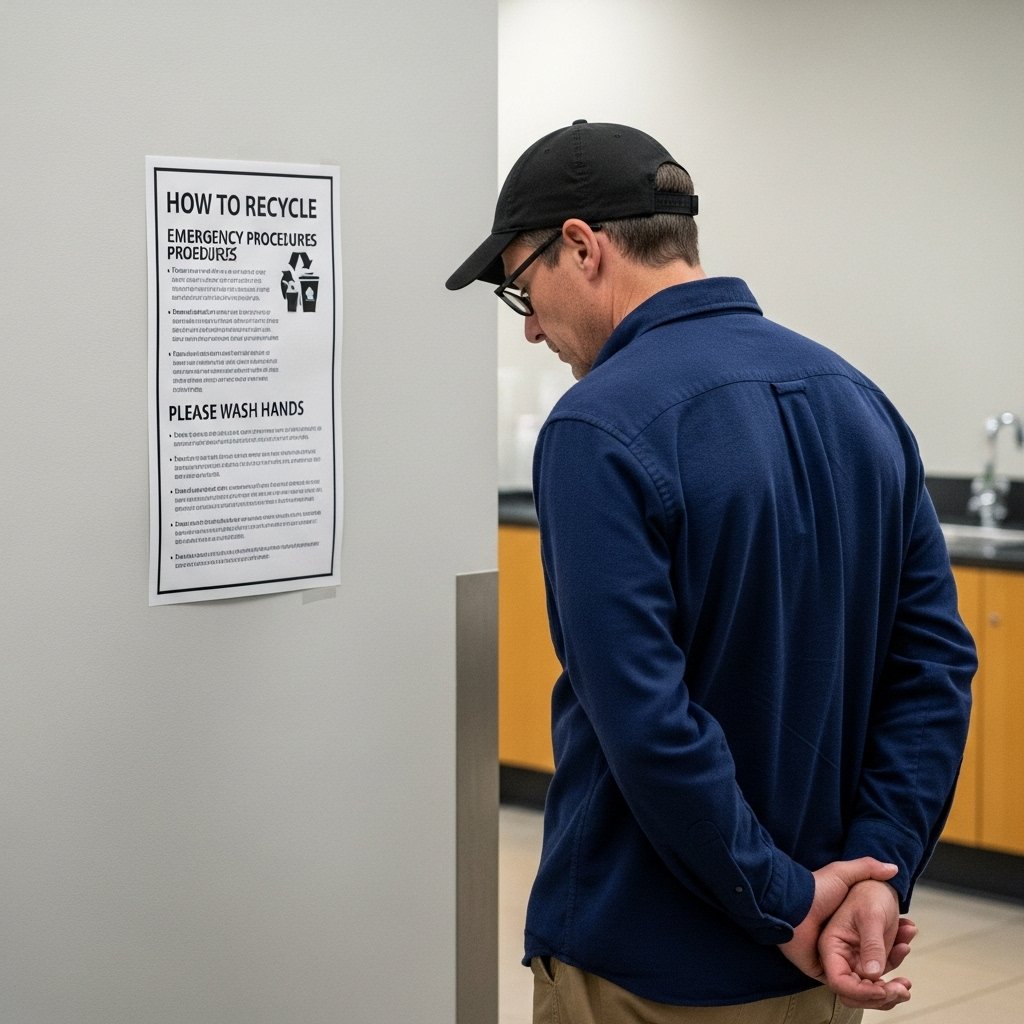
Brief instructions prevent mistakes. Ignoring them leads to repeated errors. Frustration with reading short guidance often reflects impatience rather than confusion.
Cleaning Small Messes Immediately

You can wipe a spill and clear crumbs in seconds. Delaying it creates bigger problems. Irritation here shows avoidance of minor effort.
Arriving on Time

Punctuality respects other people’s schedules. Feeling irritated by start times indicates resistance to structure and planning.
Responding to Clear Messages

Simple replies keep communication moving. Ignoring messages causes delays. Discomfort with responding shows unwillingness to stay engaged.
Completing One Task Before Starting Another
Finishing small tasks prevents buildup. Jumping between tasks creates disorder. Annoyance here signals poor follow-through habits.
Following Basic Workplace Rules

Rules exist to reduce friction. Pushing back on easy guidance tends to be about a distaste for consistency, not creativity.
Carrying Personal Responsibilities

Handling one’s own bags, tools, or paperwork is standard. Complaining about this shows dependence on others for convenience.
Making Minor Decisions Independently

Choosing simple options saves group time. Frustration with decisions suggests avoidance of responsibility, not uncertainty.
Preparing Slightly in Advance

Basic preparation reduces stress. Refusing to prepare causes last-minute chaos. Annoyance here reflects resistance to foresight.
Adjusting to Reasonable Feedback

Feedback improves outcomes. Rejecting mild suggestions shows discomfort with self-correction and effort-based improvement.
