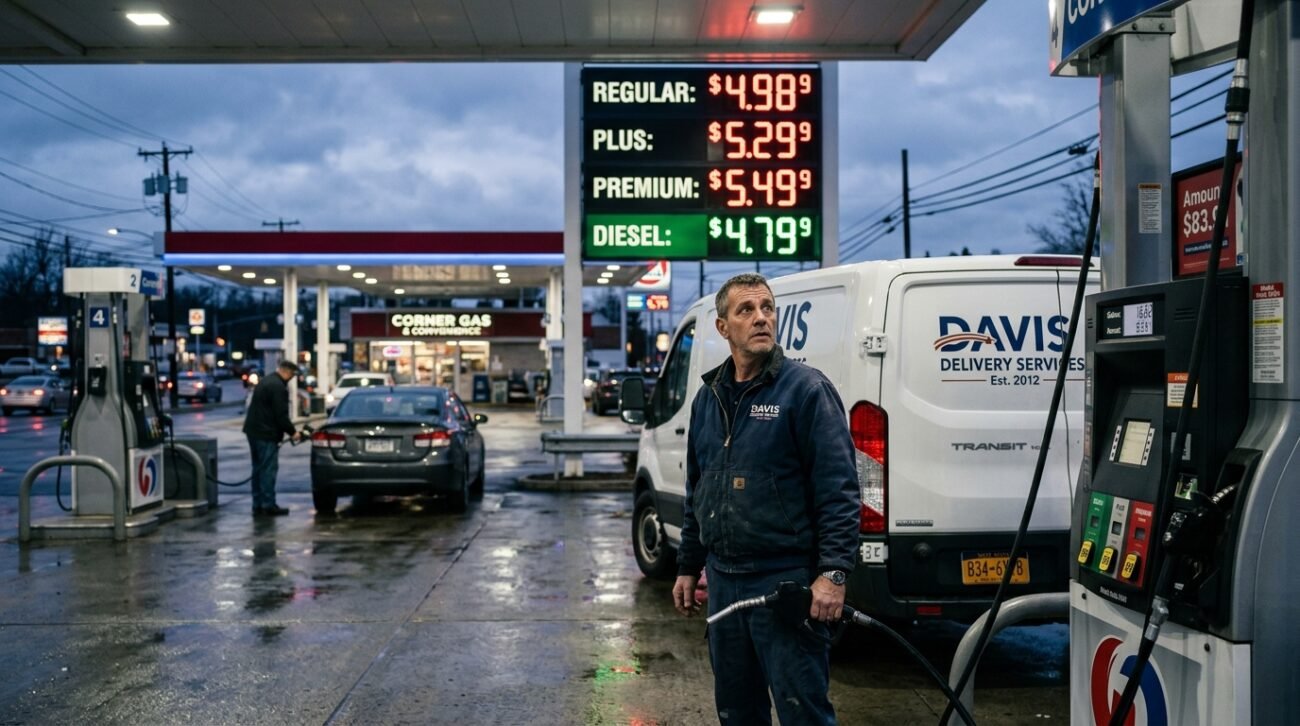
The increasing fuel prices create financial pressure which makes small businesses throughout the United States choose between difficult options. The retailers and manufacturers who operate in the market choose to accept their financial losses rather than increasing their product prices because their business operations face severe challenges to maintain profit margins and customer demand.
Price Spike Everyone Can See
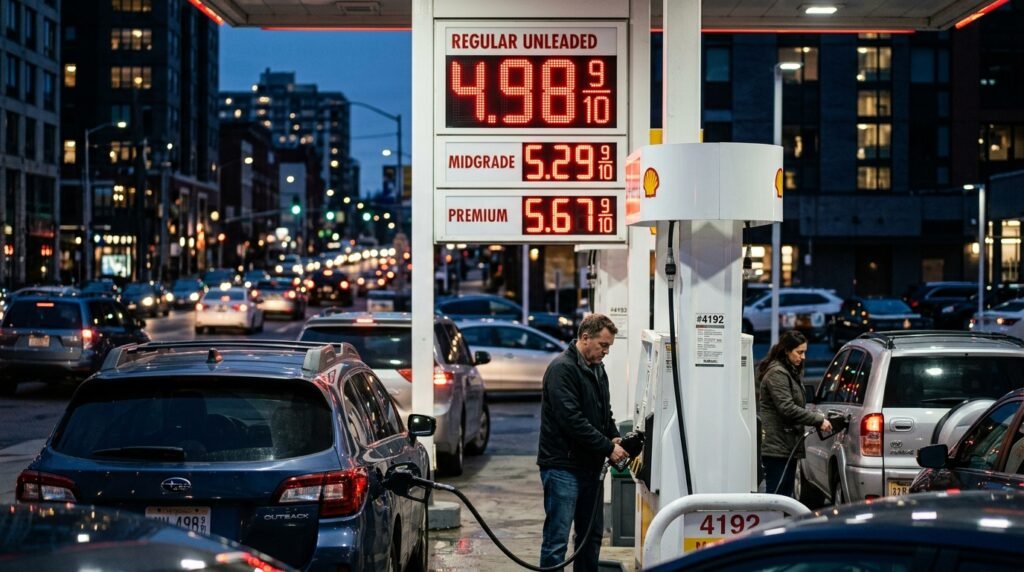
Gas prices in Portland have reached almost $5 per gallon which has become noticeable to both business owners and customers. For many people it serves as an obvious reminder which shows how rising costs affect their daily expenses.
Retailers Refuse to Raise Prices

Mike Roach co-owns Paloma Clothing which he describes as a business that needs to maintain its current pricing structure. Instead he plans to absorb all higher expenses which will result in lower profit margins for each item he sells.
Shipping Costs Are Quietly Rising
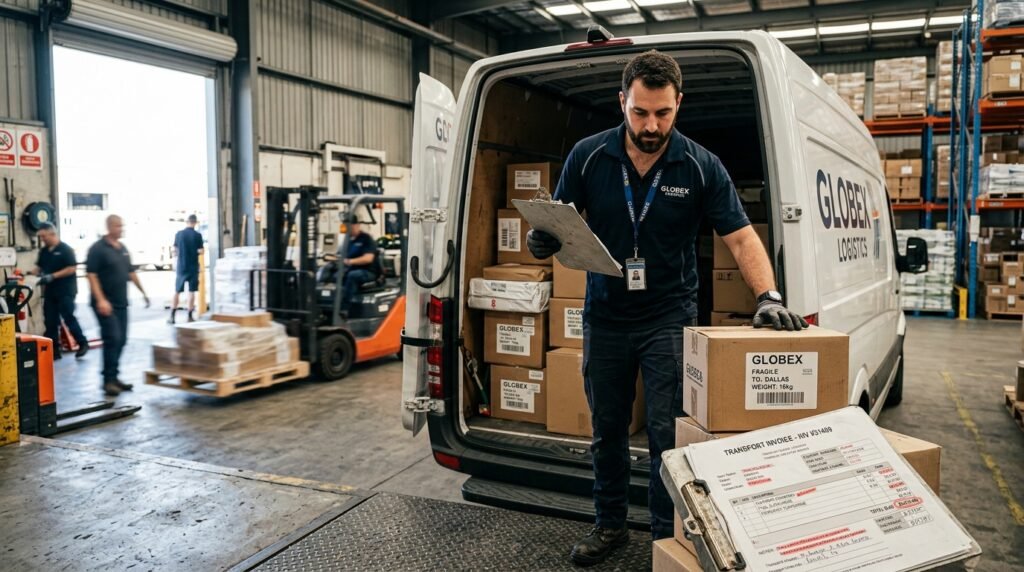
The majority of retailers depend on shipping services which deliver products from distant locations. The increase in fuel prices leads to higher shipping expenses because businesses must choose between two options: they either absorb the added expenses or transfer them to their customers.
Customer Confidence Is Falling

Shoppers experience financial problems when gas prices increase which creates negative consequences for businesses. Consumers will not spend their money when they experience financial doubts which leads to decreased customer visits and reduced sales at retail stores.
Wholesalers Are Caught in the Middle
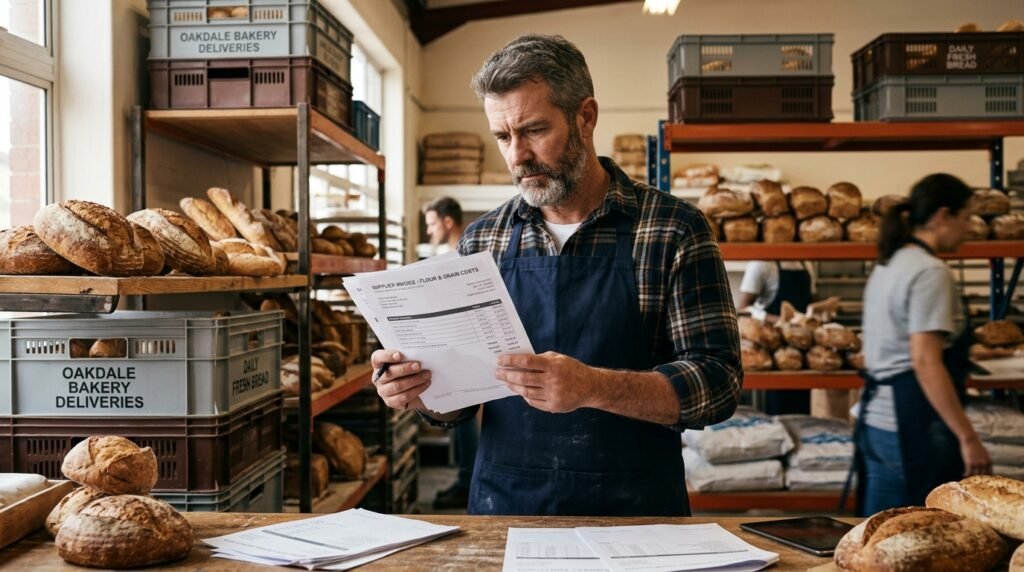
Bread Alone Bakery must satisfy two opposing forces which create a business challenge. Wholesalers face restricted choices because retailers refuse to accept price increases while raw material delivery costs continue to rise.
Local Supply Chains Offer Some Relief

Some businesses are turning to local sourcing to reduce transportation costs. The process can create better operational stability but it requires businesses to pay higher prices for their ingredients while facing decreased ability to manufacture products.
Manufacturers Face the Toughest Choices
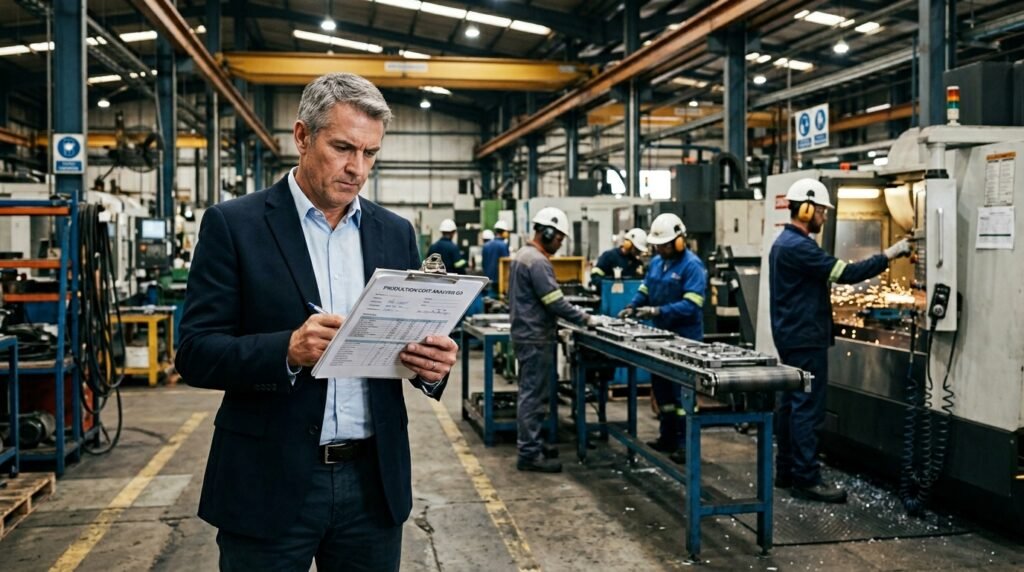
Shirley Modlin, who owns a factory, faces financial challenges because fuel prices and material prices have increased. Businesses need to decrease their spending because customers refuse to accept higher prices which results in negative effects for their employees.
Cost Cutting Has Real Consequences

Some companies reduce their staff hours and employee benefits to maintain their operations. Rising costs create operational challenges for businesses because both workers and business owners experience financial pressure.
Trucking Companies Are Struggling Too

Independent trucking operators who operate spot shipping businesses face financial challenges because they cannot pass fuel surcharges to their customers. They bear all increasing diesel expenses because their business model requires them to use specific routes which have become economically unviable.
The Bigger Challenge Ahead

Businesses need to find ways to control their rising expenses because fuel prices keep increasing which puts them in a dilemma. The situation presents challenges because solutions require difficult decisions between competing options.
