
The way people perceive their expenditure changes because of inflation which extends beyond its representation as a media figure. The way we choose to spend our money changes because we must now treat our previous automatic buying habits as intentional purchases. The transformation requires people to move away from simple solutions toward developing structured operational methods.
The Switch to “Store Brands”
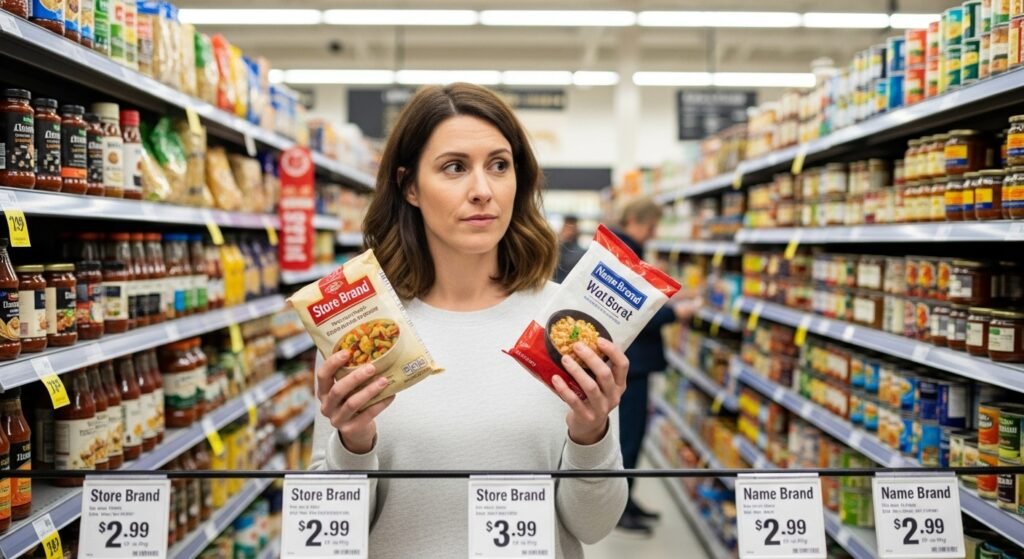
Many shoppers who used to be loyal to big-name brands are now reaching for the “generic” or store-brand versions of groceries. People discover that dish soap and cereal have equivalent quality but their price difference permits them to maintain their weekly financial plan.
The Rise of “Bulk Buying”

To combat rising prices people are now purchasing large quantities of non-perishable items and becoming members of wholesale clubs. Consumers can safeguard themselves against upcoming price increases because they will pay today’s market value for items which include toilet paper and rice and canned goods.
Subscription “Audit” Culture

The period of “set it and forget it” subscription services has come to an end because of inflation. People check their bank records to remove streaming services and gym memberships and infrequently used apps from their subscriptions. The monthly cost which people used to ignore now appears to them as an expensive item.
Planning Around “Peak Pricing”
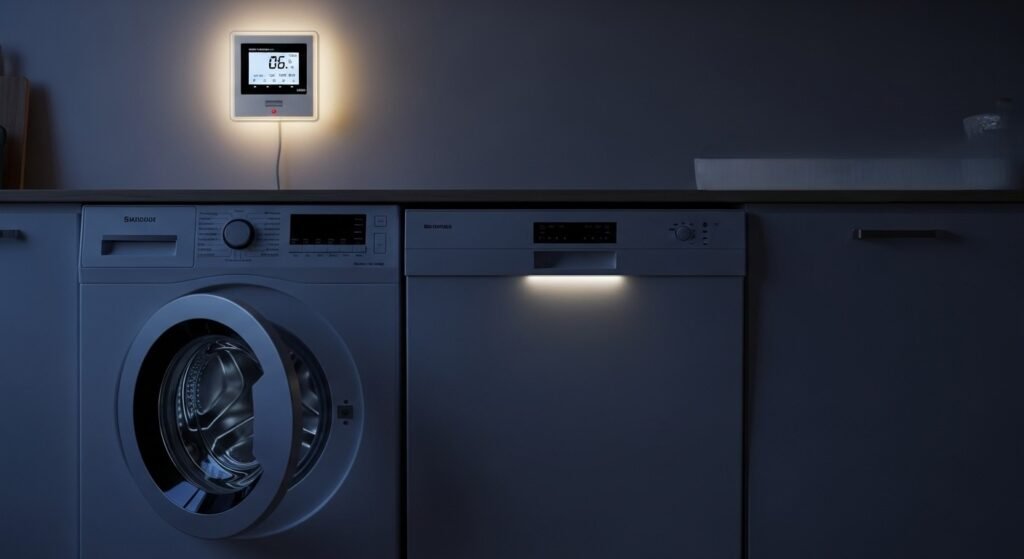
People now decide when to use utilities and travel services according to their schedule. Many households operate their energy-intensive machines during nighttime hours because electricity costs are decreased and they reserve their flights months before travel to evade the surge in ticket prices which occurs near departure time.
The Decline of “Small Luxuries”
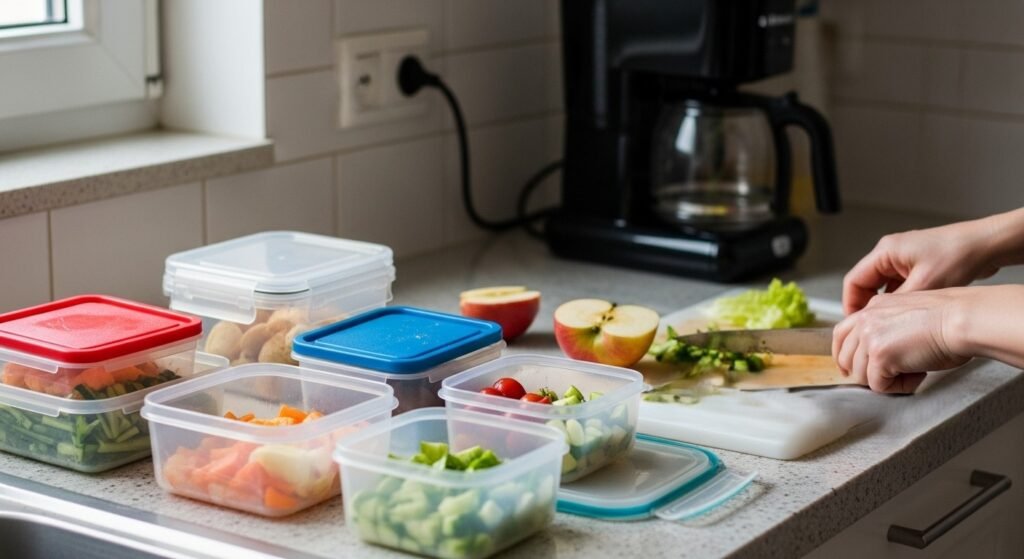
The “latte factor” which describes daily spending patterns on inexpensive treats deserves a new analysis. People choose to make their own coffee at home and bring snacks from their pantry instead of buying daily fast food coffee and snacks which cost more at convenience stores.
Repair Instead of Replace
The process of disposing of unwanted items becomes slower when new products which include cars and appliances and phones experience a significant price increase. People choose to pay for washing machine repairs and phone screen replacements instead of paying for new devices.
Gas Station Strategy
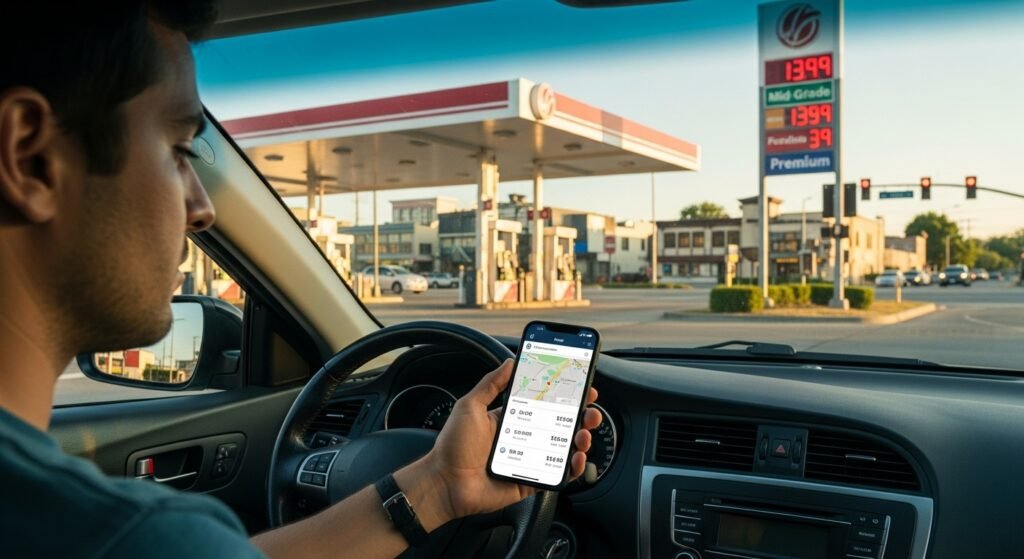
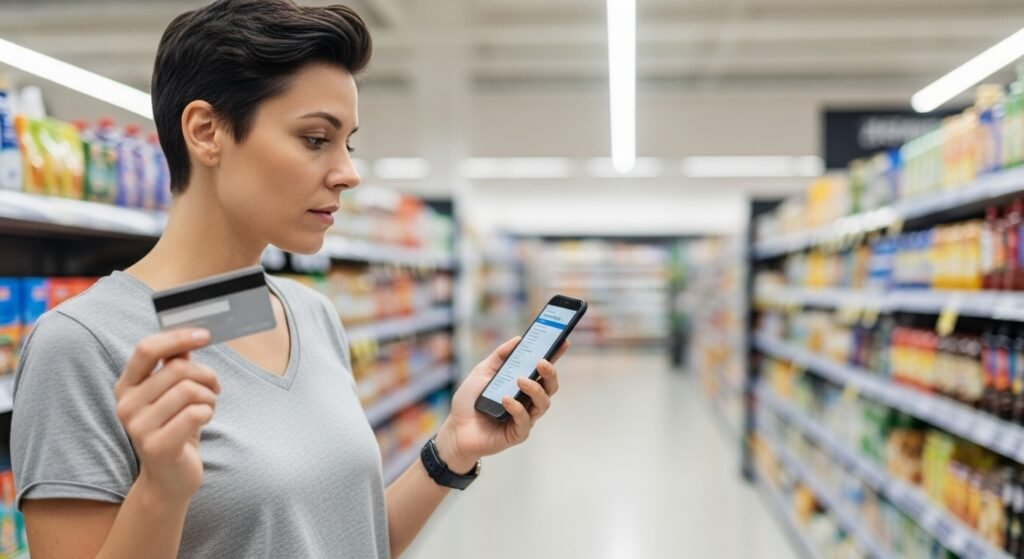
Drivers no longer pull into the first gas station they see. Many people currently use applications to discover the lowest fuel prices within a five-mile area while they organize their driving routes to complete all their errands through one planned “loop” route which decreases their gasoline consumption.
The Shift to “Value” Dining
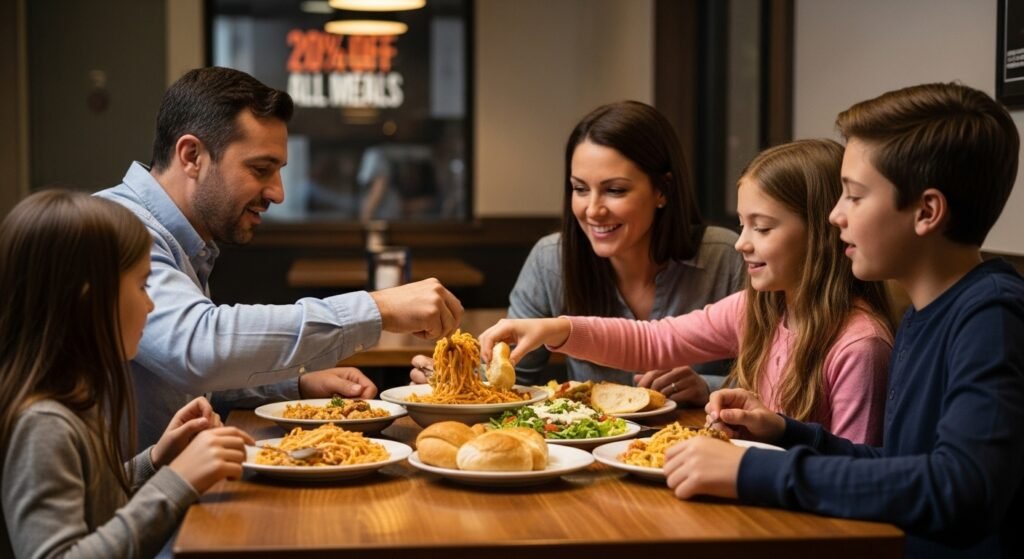
People now treat restaurant meals as special events which occur only on specific days instead of having regular dining experiences. People choose to eat at fast-casual restaurants which offer “Happy Hour” discounts and “Kids Eat Free” specials during their dining experiences.
Second-Hand First
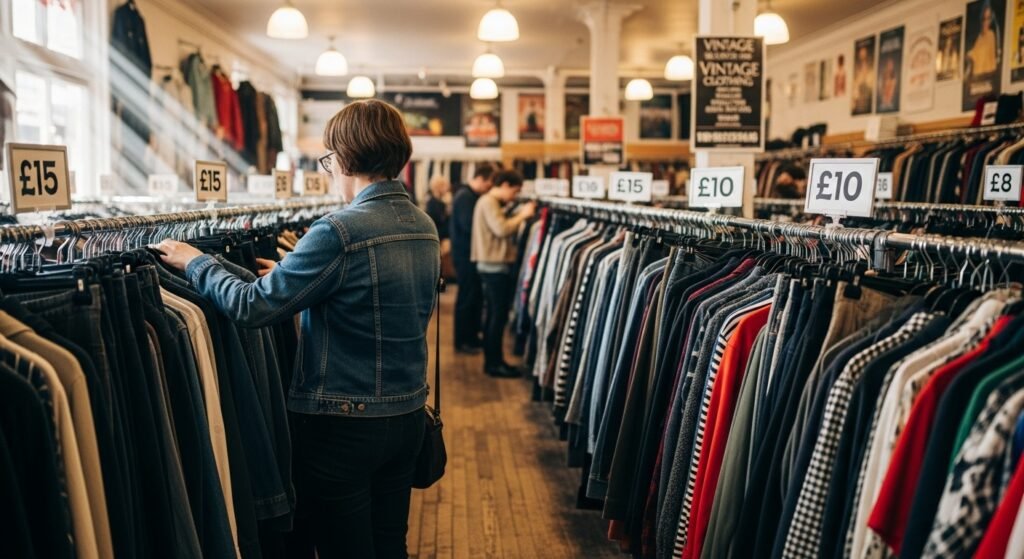
The “thrifting” trend has moved from a hobby to a financial necessity for many. People search online marketplaces and second-hand stores to find their required items before buying new furniture or clothing or electronics.
Re-evaluating Quality vs. Quantity
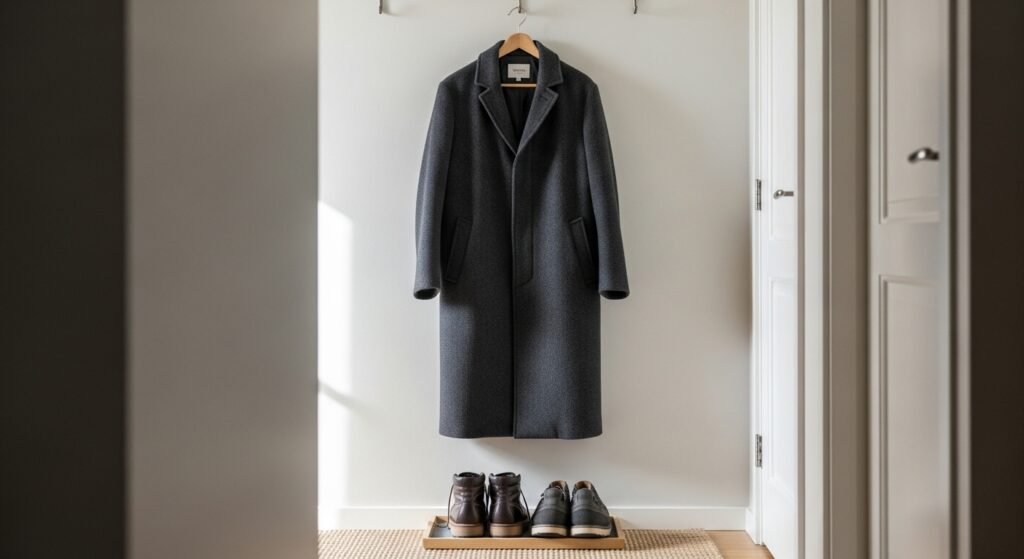
People must decide between purchasing one high-quality product which provides long-term use or acquiring many low-cost items which will soon become unusable. The majority of people now prefer to buy “investment pieces” such as winter coats and shoes because they understand that replacing low-cost products every few months will result in higher total expenses.
