
Wealthy families view parenting through a startup growth model which emphasizes both learning processes and their results. Their primary focus lies beyond providing comfort because they want to teach people essential skills and how to make independent choices. The concept requires children to learn how to think and adapt while creating value through their efforts. The method uses structured components together with flexible elements which enable children to gain self-assurance and practical skills throughout their entire development.
Treat Learning Like an Investment

Parents invest in their children’s learning by funding various activities which include coding and public speaking and arts and real-world activities because those activities help children develop multiple skills from an early age.
Encourage Experimentation and Failure

Children receive encouragement to experiment with new things while they learn through their successes and failures which they compare to how startups validate their business concepts. Failure provides them with feedback which helps them build their ability to handle challenges.
Focus on Long-Term Thinking

Children learn to wait before receiving rewards while they develop skills to plan for future events. People who save money or establish their daily habits concentrate on what will happen in the future instead of selecting immediate benefits.
Build Decision-Making Skills Early
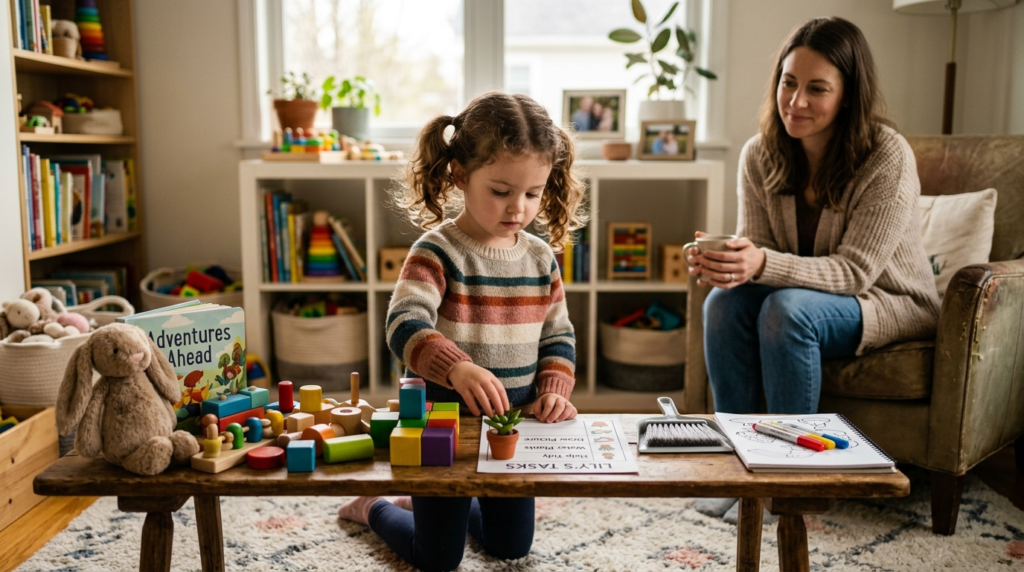
Children receive various choices which involve determining how they will spend their money and organize their time and tackle basic challenges. The activity enables them to acquire both confidence and responsibility which develops throughout their early years.
Teach Financial Awareness Practically

Children learn financial management skills through handling their personal budgets and allowances and tracking their expenses for minor projects. The students acquire knowledge about saving and investing and value creation through actual life experiences.
Value Time as a Resource

Money serves as the standard measure for time. Children learn to create their daily schedules while they also learn how to identify important activities and use their time in the best possible way.
Encourage Independence and Ownership

The development of ownership skills occurs when children receive responsibility for their tasks because they learn to control their work outcomes without needing constant assistance.
Emphasize Communication and Networking

The program encourages children to share their thoughts through clear communication while interacting with various people through their questioning process. This builds confidence and social intelligence over time.
Focus on Problem-Solving Over Instructions
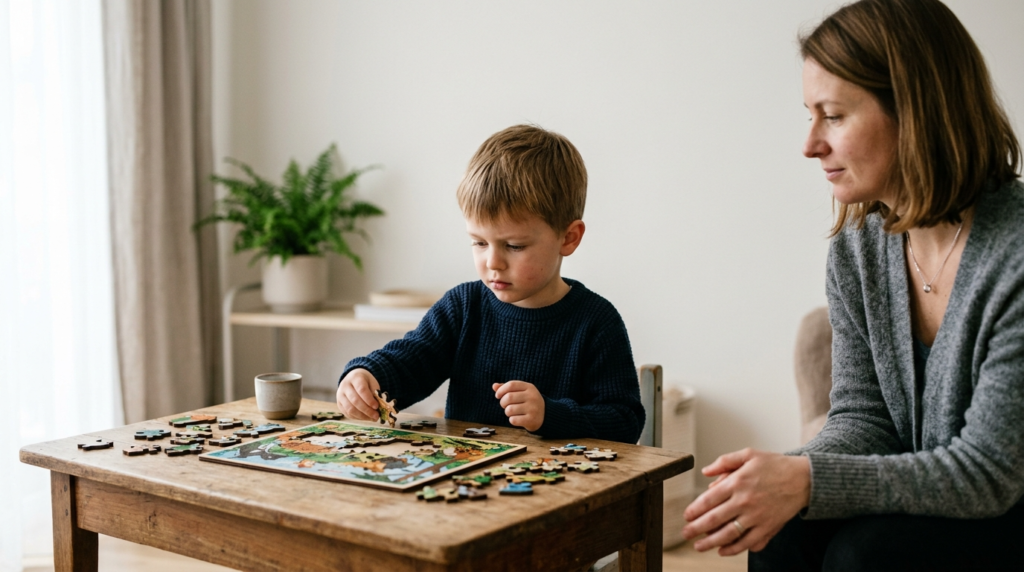
Parents use questions to direct their children toward independent problem-solving instead of providing them with solutions. This method teaches children how to tackle their difficulties.
Balance Freedom With Structure
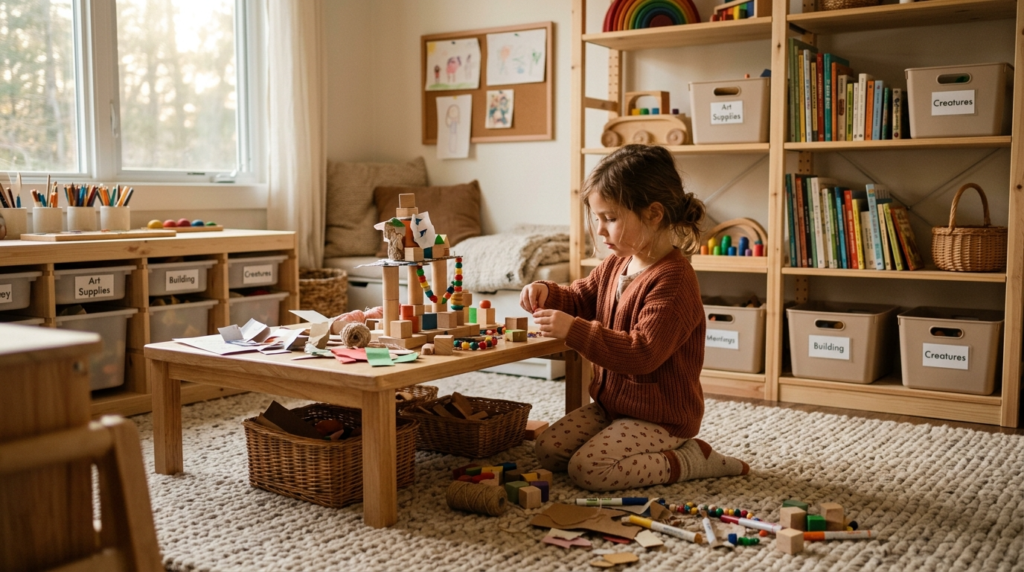
Children need freedom to make their own decisions yet they must follow established rules which define their limits. This balance helps children grow without feeling lost or overly controlled.
