
Most individuals are preoccupied with making more money. Not many listen to the time spent. Purchasing to economise can save a high cost without making any lifestyle change. Prices move in cycles. Retailers clear inventory. Brands release new models. There is an increase and a decrease in seasonal demand. When you are aware of these trends, you no longer pay high prices. Budgeting eases routine expenditures. Groceries, appliances, travelling, and even clothes are predictable. It is not shipping sales on a daily basis. It is concerned with patience and awareness. Minor time variances on a monthly basis produce consistent savings. The difference is felt after more than a year. Noisy financial progress is made. Smart timing transforms average purchasing into silent progress.
Post-Holiday Clearance Shift
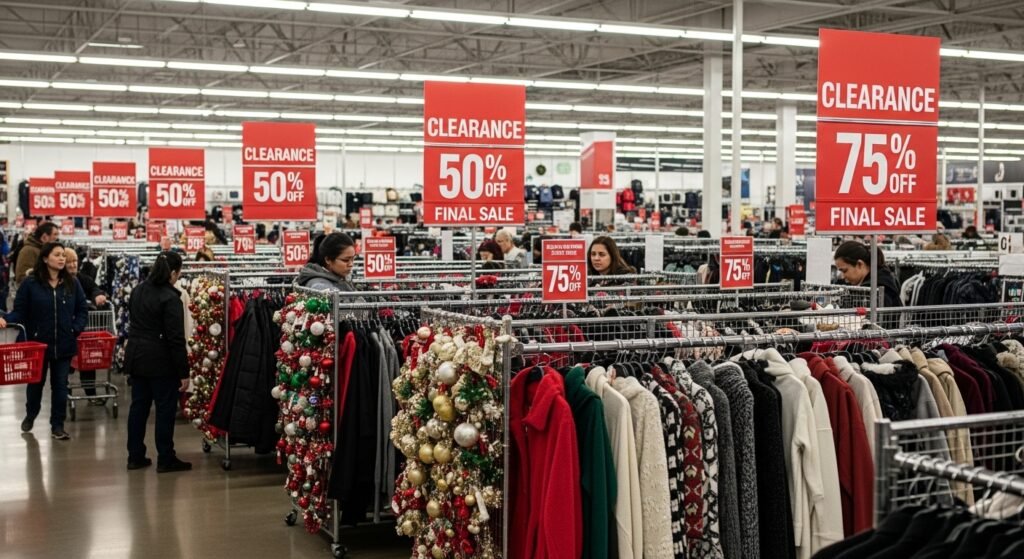
The sales on clearance after the holidays begin when the demand declines dramatically. Shelves are emptied and prepared by the retailers to stock new products. Purchase ornaments, winter clothing and Christmas gifts at reduced rates in January and at the end of December.
End-of-Season Wardrobe Planning
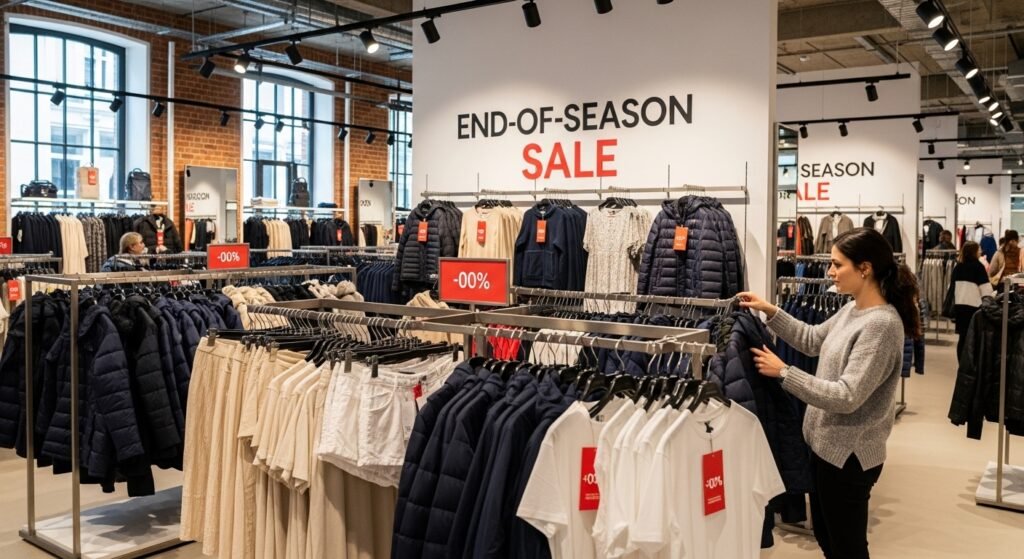
The sales of the end-of-season clothes also provide great value. Selling models towards the end of winter and the start of summer. Retailers lower the prices to clear the stock. Planning does not incur full costs when there is peak demand.
Midweek Grocery Advantage

Midweek grocery shopping can be an opportunity to have more availability and more discounts. A lot of supermarkets replenish and trim down items that are almost out of date unobtrusively. There is also less impulse buying in case of shopping during the quieter days. Monthly food costs can be reduced with a mere weekday shift.
Quarterly Electronics Window
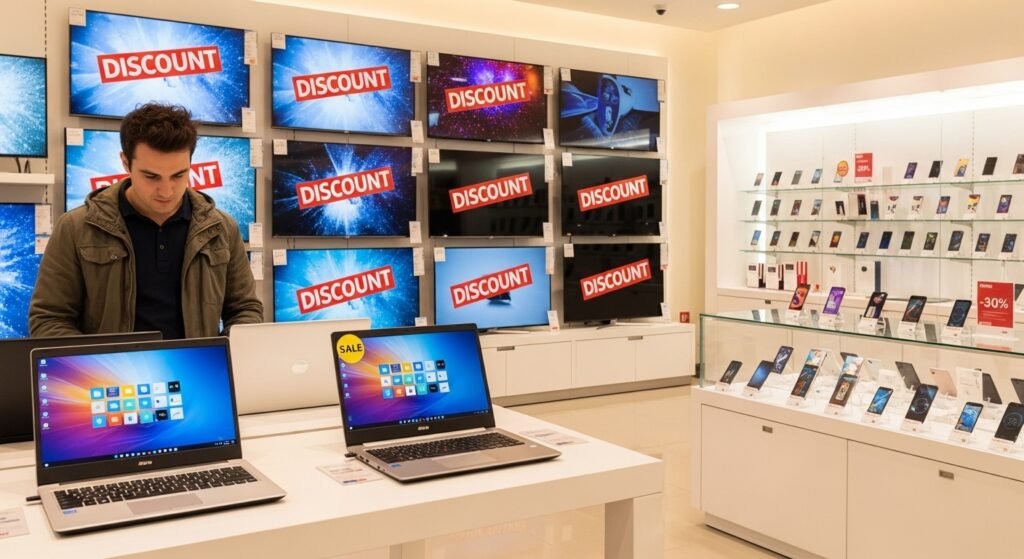
The prices of electronics are subject to change with the introduction of new models. Retailers are offering older versions at discounts to clear space. Monitor product release cycles. Buy television, laptops, and smartphones immediately after announcements, as opposed to buying when they are new and exciting.
Travel During Shoulder Seasons

Flight costs and accommodation fees are higher when there is a holiday or school vacation. Travelling before or after peak hours reduces expenses. Destinations are not overcrowded. Savings can be observed when flexible dates are used.
End-of-Month Negotiation Timing

The sales staff usually strive to achieve monthly quotas. Going to automobile dealerships or home appliances shops towards the end of the month may provide negotiating space. Managers can give better pricing to seal outstanding deals.
Annual Subscription Review Point

Numerous subscriptions will be automatically renewed. Check them a month before renewal dates. Some companies do include the retention discounts in case of cancellation. Recurring charges can be cut down with a brief phone call or even an email.
Major Appliance Holiday Cycles
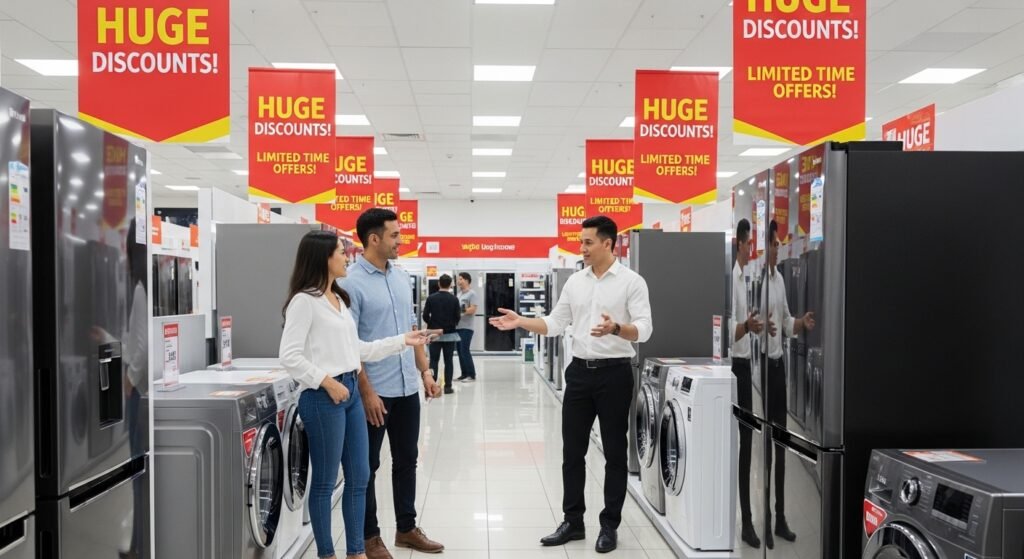
Discounts on big appliances are common during the weekends of a long holiday. The retailers advertise refrigerators, washing machines, and ovens at these times. Such purchases are planned, and one is not charged the normal showroom prices.
Early Morning Online Monitoring

Prices on the Internet vary in the course of the day. Sometimes, early mornings mirror overnight changes. It is better to compare prices at the same time. Check price history so as to ascertain whether a discount is authentic.
Bulk Buying During Price Dips

Toiletries and cleaning products are considered staple items that pass through the cycles of promotions. Buy small amounts of goods when the prices are significantly lowered. This decreases the expenditure in future at normal prices and smoothes monthly budgets.
Annual Insurance Renewal Check
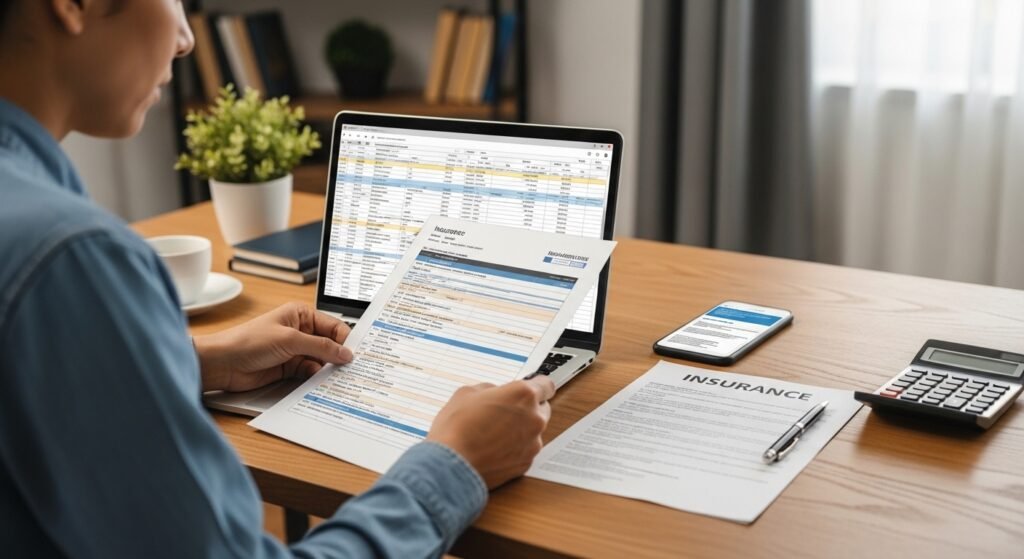
The premiums of insurance are commonly raised silently during renewal. Start asking for quotations a few weeks prior to the date of delivery. There are competitors with the ability to be lower. Yearly review of policies ensures that long-term cost is kept in check.
