
Parenting patterns change with time. But many adults continue to hold on to the notion that some of those old habits quietly shaped stronger, steadier children. They were not inhumane or sloppy practices. They emphasised accountability, patience and hands-on learning on the job. Parents believed that failure would lead to growth and happiness. Guidance was important, but a constant leash wasn’t. Life lessons were taught on a daily basis according to chores, rules, or routine expectations. Children learned limits early. They learned effort before reward. These habits did not lead to perfect lives. They produced competent human beings who could handle stress, solve problems and get along well with others without ever being coddled.
Clear Household Rules
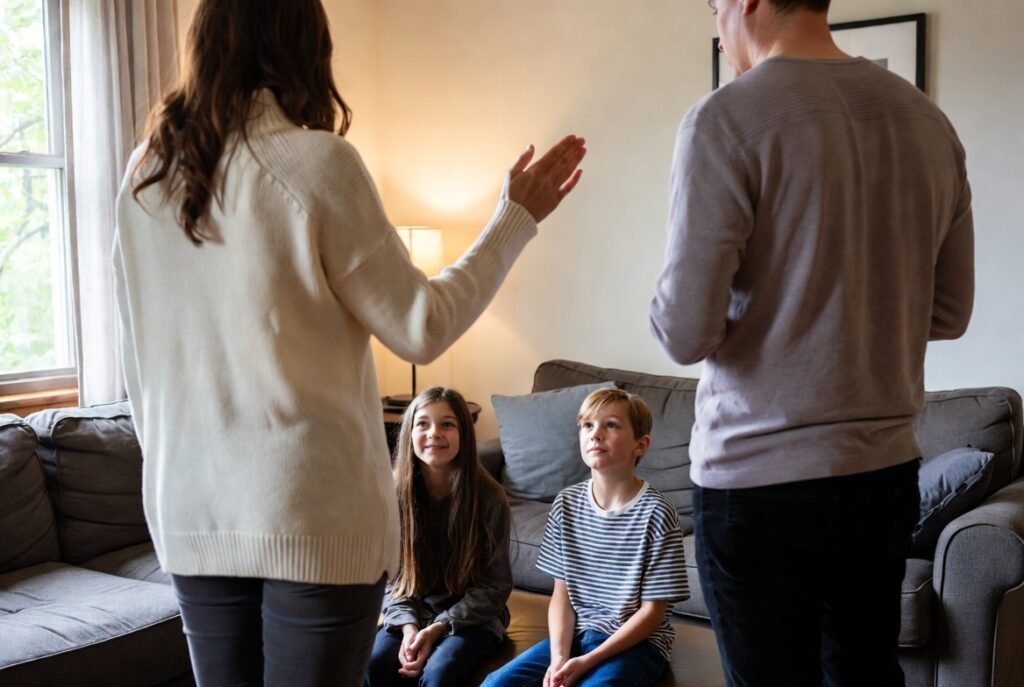
Parents established clear rules and stuck to them. Children understood boundaries early. This reduced confusion and excuses. Clear rules taught accountability. Kids learned that actions had outcomes. Structure helped them feel secure and confident.
Daily Chores
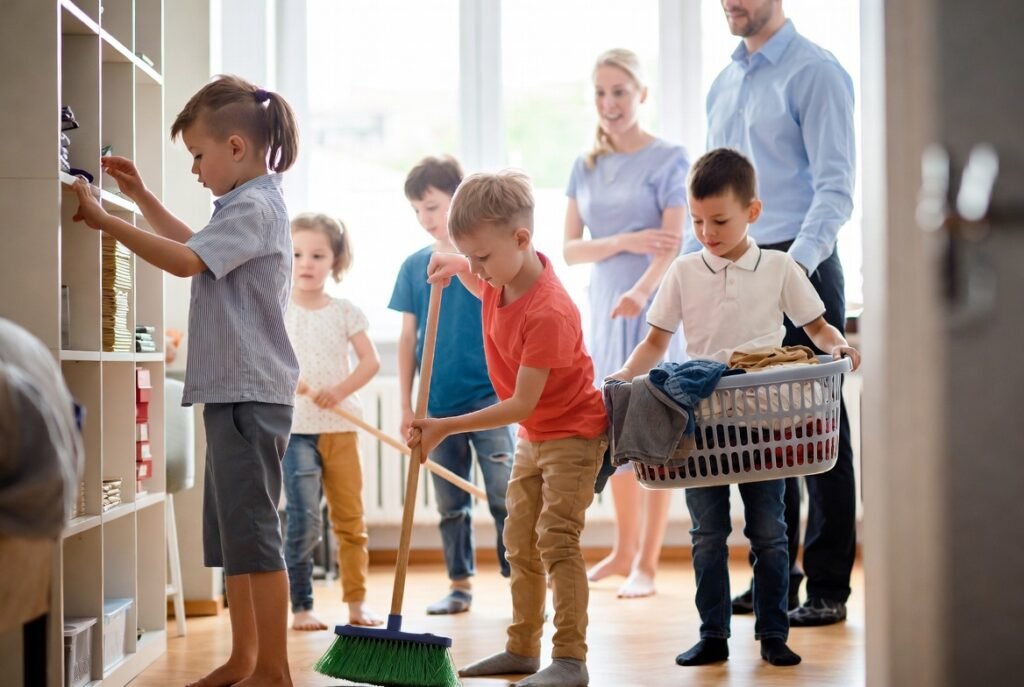
Children handled age-appropriate chores every day. Cleaning, organising, or helping with meals built discipline. Work was normal, not punishment. Chores taught contribution and routine. Kids learned that effort supports family life and personal independence.
Limited Screen Time

Entertainment was earned, not unlimited. There was time outdoors, reading, and hobbies. Boredom encouraged creativity. Kids learned focus and patience. Less screen use improved attention and real interaction with others.
Problem Solving Alone
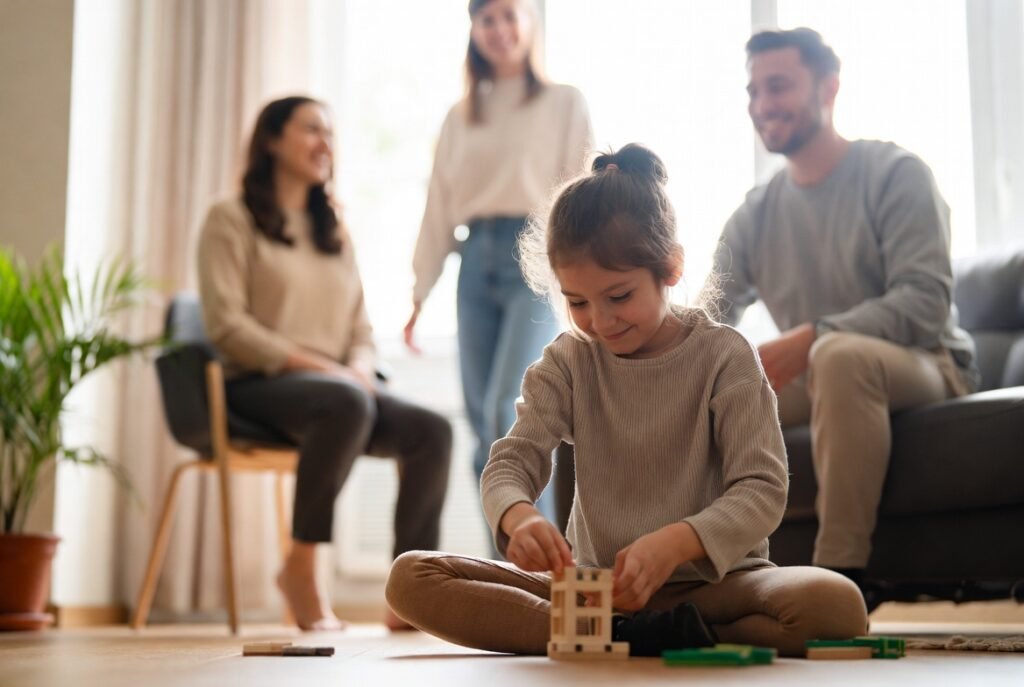
Parents did not rush to fix every issue. Children tried first. Mistakes were allowed. This built confidence and reasoning skills. Solving problems alone taught persistence. Children came to understand that failures were surmountable, not calamitous.
Respectful Communication

Children were to sit and listen with politeness. Interruptions were discouraged. Respect went both ways. Calm communication built emotional control. Kids learned words mattered. Listening became a habit, not a forced rule.
Outdoor Play Freedom
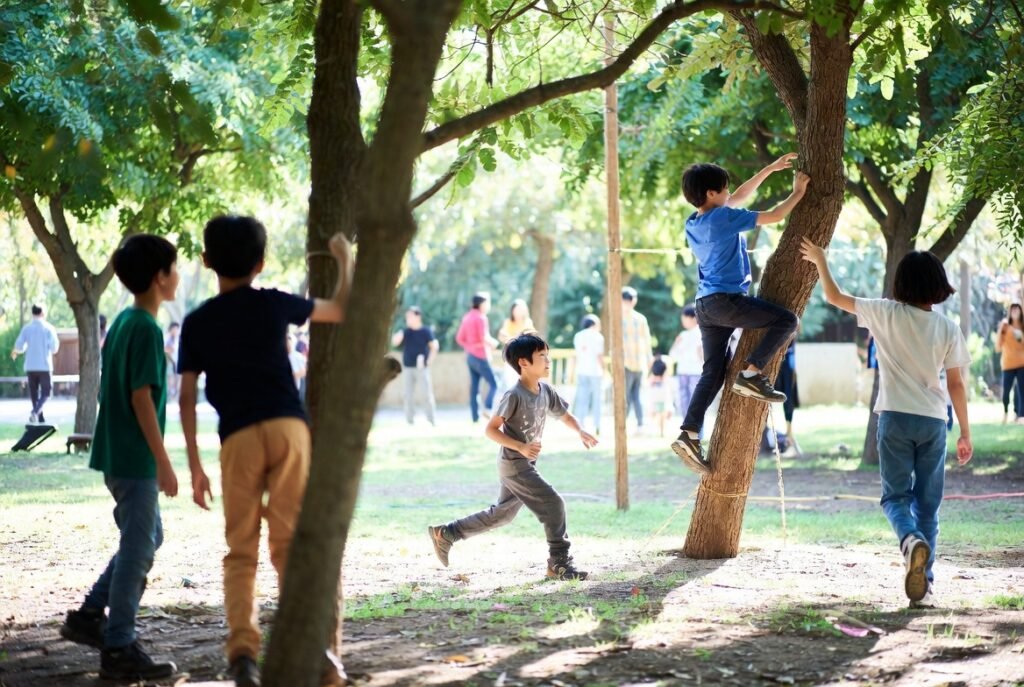
Unstructured outdoor play was common. Kids explored, ran, and imagined freely. Minor risks taught awareness. Nature built strength and balance. Playing outside promoted independence, curiosity and physical toughness without constant grown-up supervision.
Earning Rewards

Rewards followed effort, not demands. Allowances or privileges require responsibility. This taught the value of work. Kids learned patience and planning. Earning rewards built motivation and respect for resources.
Facing Consequences

Mistakes led to fair consequences. Parents did not rescue children from every result. This taught responsibility. Kids learned cause and effect early. Accountability strengthened decision-making and self-control over time.
Family Meals Together

Shared meals created routine and connection. Conversation mattered. Listening and speaking were practised daily. Families stayed informed. Children learned social skills, patience and belonging through simple, regular interactions.
Encouraging Independence
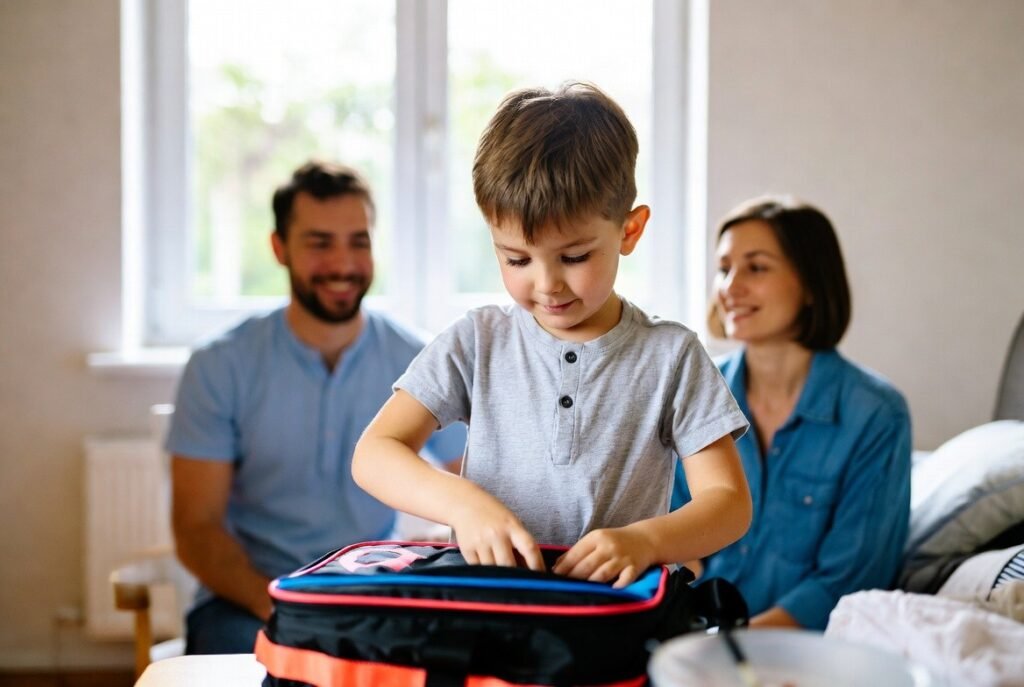
Children handled tasks alone when ready. Parents trusted them gradually. Independence built self-belief. Completing tasks alone taught capability. Confidence grew not through constant instruction, but through experience.
Emphasis on Effort
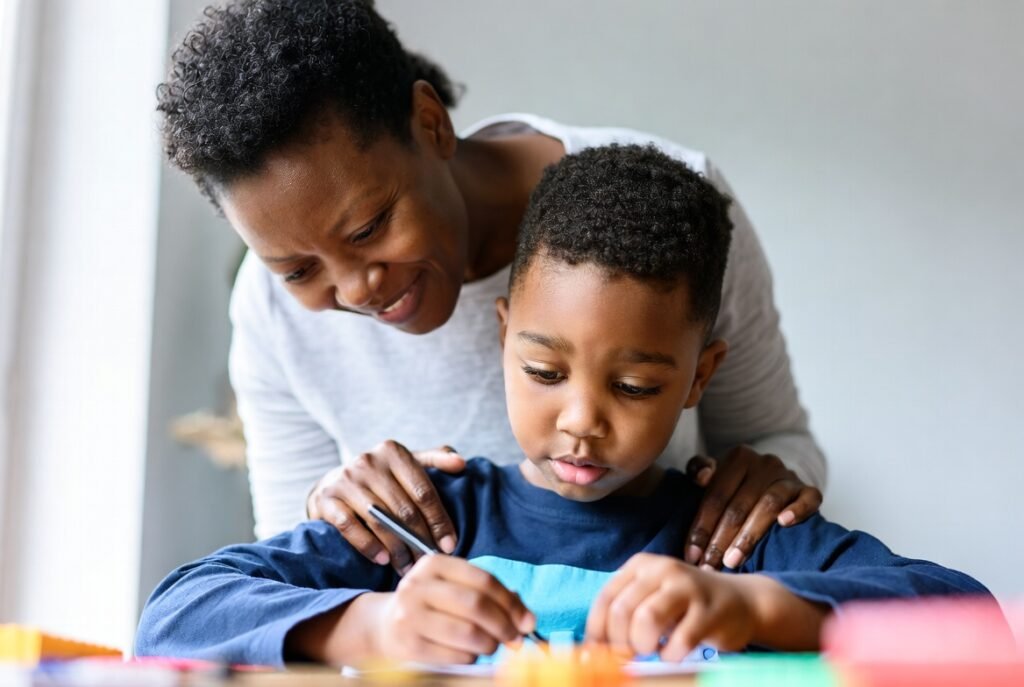
Praise specialises in attempt, not skills. Trying is more important than triumphing. This mindset reduced fear of failure. Kids learned that growth comes from practice. Persistence became stronger than temporary success.
