
Very well structured individuals do not solely depend on motivation but always use habitual practices. The minor things that they do every day enable them to remain productive, less stressed, and maintain a normal life. These practices might sound basic, yet when combined, they will result in a systematic way of handling time, activities, and duties.
They Put Things in Writing Right away

The organized persons do not have to depend on memory. In order not to forget anything significant, they make notes within a few seconds in a planner or an application on the computer in case of some task, idea, or reminder.
They Organize their Day

They do not wake up without purpose but go through their schedule or plan how to spend the day in advance. This assists them to be task-oriented and focused.
They Organize their Workstations

A clean workspace will minimize distractions and will make it easier to locate what they need within a short period. Disciplined individuals tend to take minutes within a day to maintain their surroundings orderly.
They Decompose Big Tasks into small steps

Instead of being overwhelmed by large projects, the organized persons can break them down into small steps. This simplifies the process of progress and continues with projects.
They Set Clear Priorities
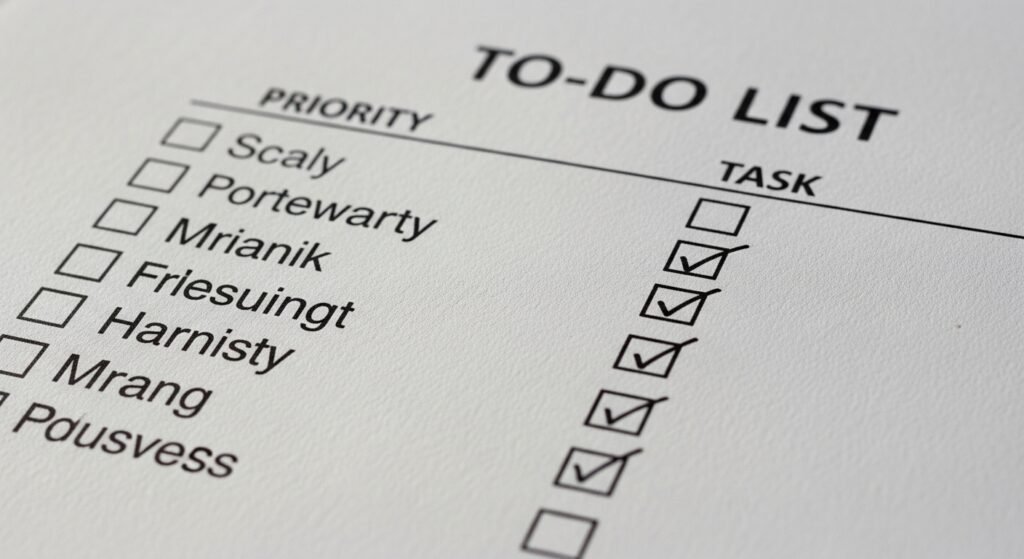
All the tasks do not need an equal level of attention. Organized individuals are able to determine the tasks that need to be handled first and where to put the energy where it would count.
They Adhere to regular schedules

Minimal daily operations contribute to the decrease of decision fatigue. Having habits in the morning to plan the day and night-time habits in the evening, their days are more organized.
They Avoid Multitasking

Some of the most organized people normally concentrate on a single task. This assists them to accomplish work quicker and with reduced errors.
They Regularly Declutter

Digital files, emails, or tangible objects, organized people will occasionally eliminate clutter that is not needed to maintain simple systems.
They Provide Time Delays between Tasks

They do not overload their schedule but instead leave little intervals between them. These buffers are used to counter unforeseen delays.
They Review Their Progress

In order to think of what they had done in the day or week, organized people tend to think about them. This enables them to readjust plans and keep in track with the goals.
