
Adult life has to deal with money and think calmly and plan consistently. Patterns of income tend to vary, whereas costs like healthcare, housing and living expenses remain. The definite plan prevents the savings and eliminates stress. Long-term stability can be enhanced by small and consistent decisions. Planning responsibly includes checking accounts, rearranging investments, and creating plans in case of unforeseen requirements. Complex strategies do not bring about financial confidence. It develops out of basic routines that are followed. It is not aimed at a quick development but a gradual conservation and careful utilisation of resources. Financial security is also strong and reliable with due care.
Create a Clear Retirement Budget
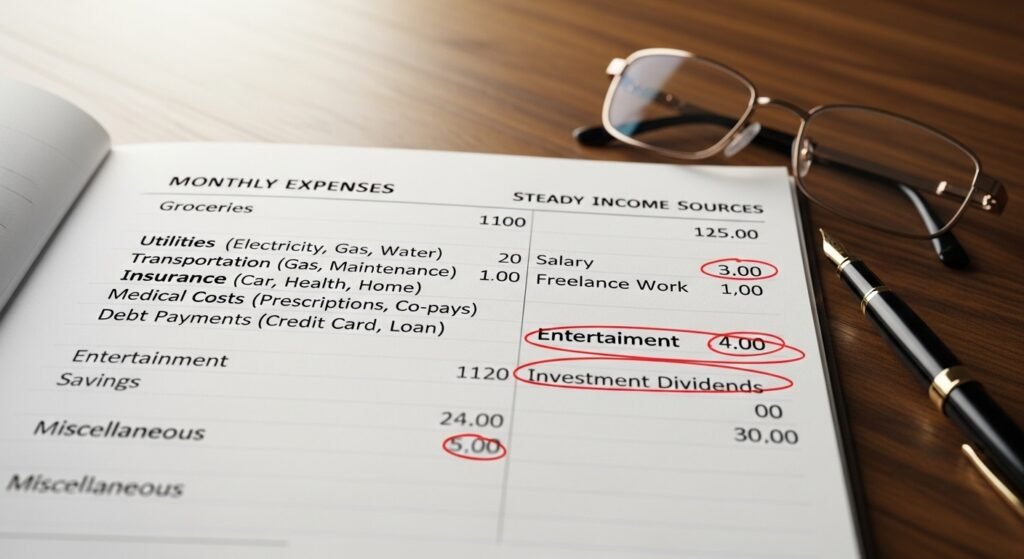
List up all your monthly expenses, everything from groceries to insurance and medical bills. Compare this to your usual sources of income. A written budget eliminates misunderstandings and points out areas that might require changes to create the equilibrium.
Review Income Sources Carefully

Know the source of your income, be it pensions, savings, rental or investments. Check payment dates and payment amounts. Consistent monitoring means that you will not have any loopholes that may disorient your monthly budget.
Build a Medical Expense Fund

There is a possibility of an increase in healthcare costs. Keep a special emergency fund used just in case of medical requirements. That is why it will not deposit tax bills on daily expenses or withdrawal of savings in the long term.
Reduce Outstanding Debt

High-interest loans may be paid off and calm the nerves. First, you are supposed to clear the credit balances or the personal loans. Reduced debt will entail a decrease in monthly payments and increased freedom in the budgeting of vital expenses.
Adjust Investment Risk Levels

Revisit your investment mix as priorities shift. Think of establishing a trade-off between growth and stability. Even in the worst-case scenario of sudden market changes, diversified chains can save money, and you still get a moderate return on investment in the long run.
Update Legal and Financial Documents

Review wills, nominations and power-of-attorney documents. Ensure that all the documents express current wishes. Systematised records will save confusion and guard the family members against legal disputes that would otherwise be incurred in future.
Plan for Long-Term Care Needs

Think of living conditions and potential care assistance. Study insurance or community amenities. This is to offer options and not make a rash decision in an emergency.
Monitor Spending Habits Regularly

Monitor costs after every six months. Minor leakages in expenditure usually pass unnoticed. Reconsidering statements assists in keeping the consciousness and financial objectives in line with daily decisions.
Protect Against Fraud and Scams

Be cautious of calls, email and online requests asking for personal information. Confirm the monetary dealings with reputable institutions. One of the most effective tools for saving protection is awareness.
Maintain an Emergency Reserve

There can be accidents or family demands. Maintain a liquid fund which will carry a few months of expenses. Access to the emergency savings is easy and does not require one to rely on credit when faced with a situation that is urgent situation.
Communicate Financial Plans with Family

Harmless conversations with close relatives minimise the conflict. Exchange general details regarding documents and accounts. Effective communication means that they are able to support and carry on in case of need.
