
Running a small business today is all about managing time, energy and money wisely. Owners often manage sales, customer queries, accounts, and planning without large teams. Rising expenses make efficiency essential. Digital tools powered by artificial intelligence have become practical assistants rather than complex systems. They are used to streamline operations and reduce the amount of manual labour involved in tasks & services. These are tools around messaging, scheduling, bookkeeping and content creation that slot into your day-to-day. By minimising the duplicated work, companies save time and cost. The payoff is smoother processes, better records and faster response times. This balance of technology use makes it easier for owners to concentrate on planning, customer relations and long-term growth.
Automated Customer Replies

Chat tools manage routine customer questions through prepared responses. They answer booking, pricing, and product availability queries at all hours. This limits phone interruptions, reduces staffing needs, and keeps communication consistent across websites and social channels.
Digital Invoice Processing
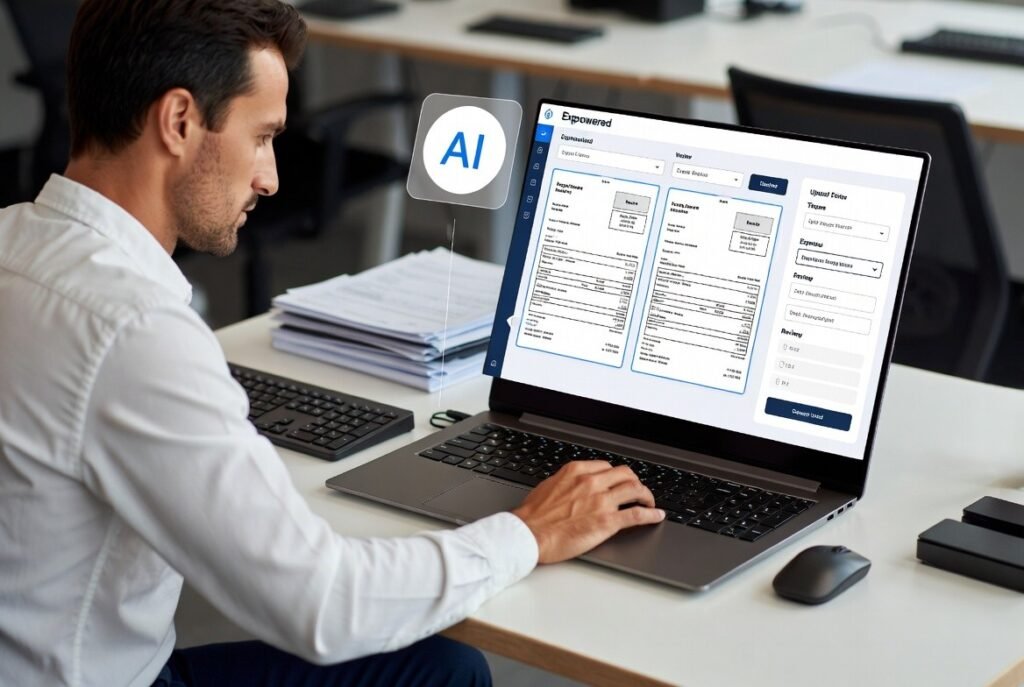
Invoice scanning tools read bills and automatically sort expense records. They reduce paperwork, avoid manual entry errors, and help maintain organised accounts. Businesses complete monthly reporting faster while lowering the need for additional accounting support.
Smart Appointment Scheduling

Scheduling services overall book appointments, send reminders, and make your calendar pop. They reduce missed appointments and eliminate constant follow-ups. Staff time is saved while customer visits stay organised and evenly distributed throughout operating hours.
Inventory Level Monitoring

Sales tracking tools study usage patterns and suggest reorder points. They prevent overstocking and reduce losses from expired or unused items. Businesses maintain a steady supply while avoiding unnecessary spending on excess storage.
Simple Content Creation

Writing tools assist with product descriptions, service explanations, and routine posts. They reduce dependence on outside agencies. Owners maintain an active digital presence without hiring dedicated marketing staff.
Basic Data Analysis

Analytics dashboards study sales patterns and purchasing behaviour. They identify slow-moving items and highlight popular services. This guides smarter purchasing decisions, helping reduce waste and support better pricing strategies.
Payroll Calculations

Payroll tools calculate attendance, deductions, and payment summaries. They reduce manual spreadsheet work and limit calculation mistakes. Payment cycles become smoother while compliance records stay clear and consistent.
Email Sorting and Filtering

Email tools organise customer, vendor, and internal messages. They prioritise urgent communication and archive routine updates. This saves you time searching through inboxes and increases the efficiency of daily response management.
Voice-to-Text Documentation

Voice transcription tools turn spoken notes into written records. Meetings, calls, and task lists are captured quickly. This removes manual typing effort and keeps important details accessible for later reference.
Price Comparison Assistance

Online comparison applications monitor supplier pricing and shipping conditions. They assist businesses in selecting inexpensive vendors and renegotiating contracts. Gradually, this cuts down purchase cost without compromising on product quality.
Task Workflow Automation

Workflow tools connect emails, forms, and records into simple automated processes. Routine approvals and updates move automatically between systems. This shortens processing time and reduces the need for additional administrative staff.
