
Each business year comes with new asks, transforming customer behaviour, and impending market pressure. Clear goals help business teams stay focused and organised during change. Goals are not only numbers on paper. They guide planning, budgets, training, and daily work. Strong goals also improve teamwork and decision-making. When goals are realistic, they reduce confusion and wasted effort. They allow business staff to measure progress and correct mistakes early. Planning goals for 2026 should support stability and long-term growth. Simple and structured thinking can improve results. The ideas below help business leaders shape clear goals that match business direction, customer needs, and available resources.
Purpose Alignment
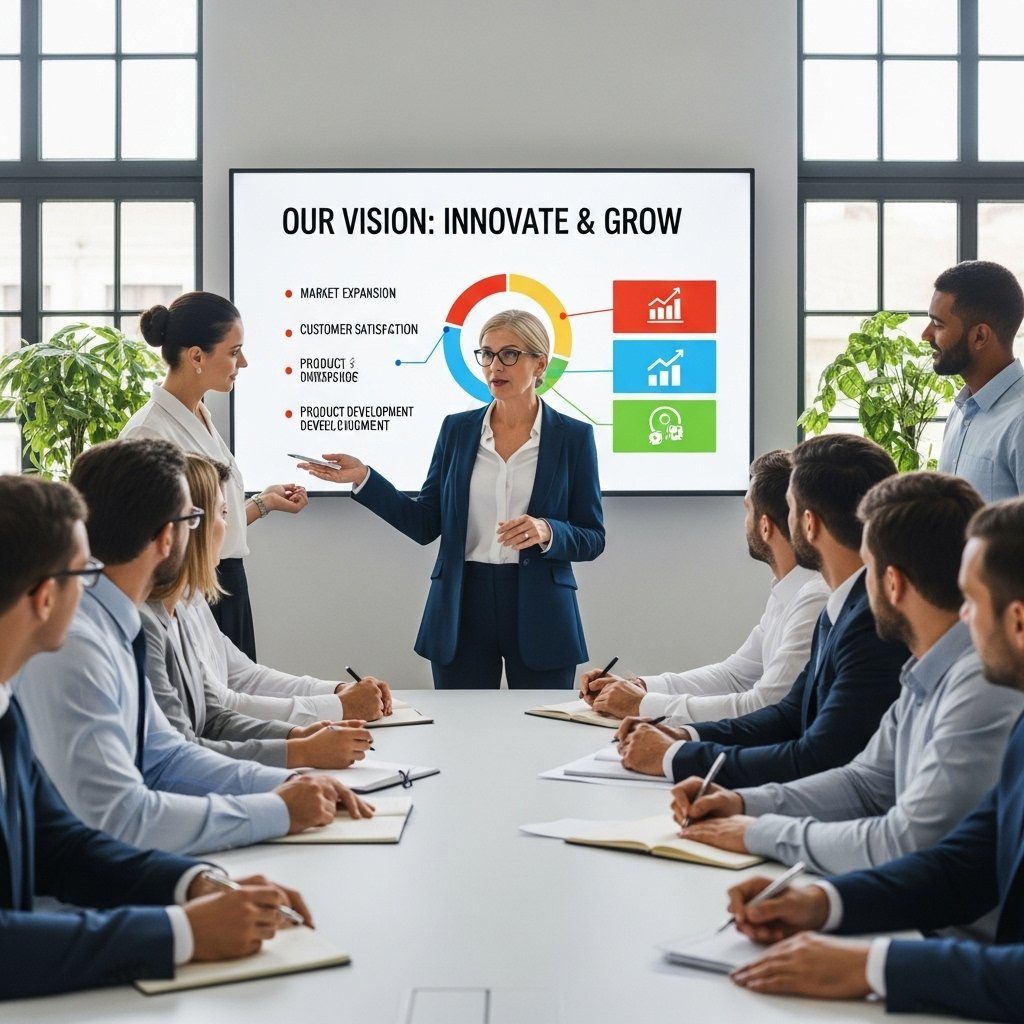
Start by matching every goal with the main business purpose. Clear alignment prevents confusion and strengthens direction. Teams work with confidence when they understand how daily tasks support business vision, values, service standards, and long-term commitments.
Market Awareness

Study customer behaviour, service demand, and competitor activity before setting goals. Market awareness reduces risk. It helps business teams adjust targets based on real conditions instead of guesswork or outdated performance records.
Simple Measurements

Choose easy measurement methods for every goal. Clear metrics help business teams track progress. They prevent confusion during reviews and allow managers to correct mistakes without delay or misinterpretation.
Staff Involvement

Invite staff to share ideas while setting goals. Their input increases accountability and cooperation. Staff feel respected when their experience shapes business targets, schedules, training plans, and workflow improvements.
Time-Based Planning
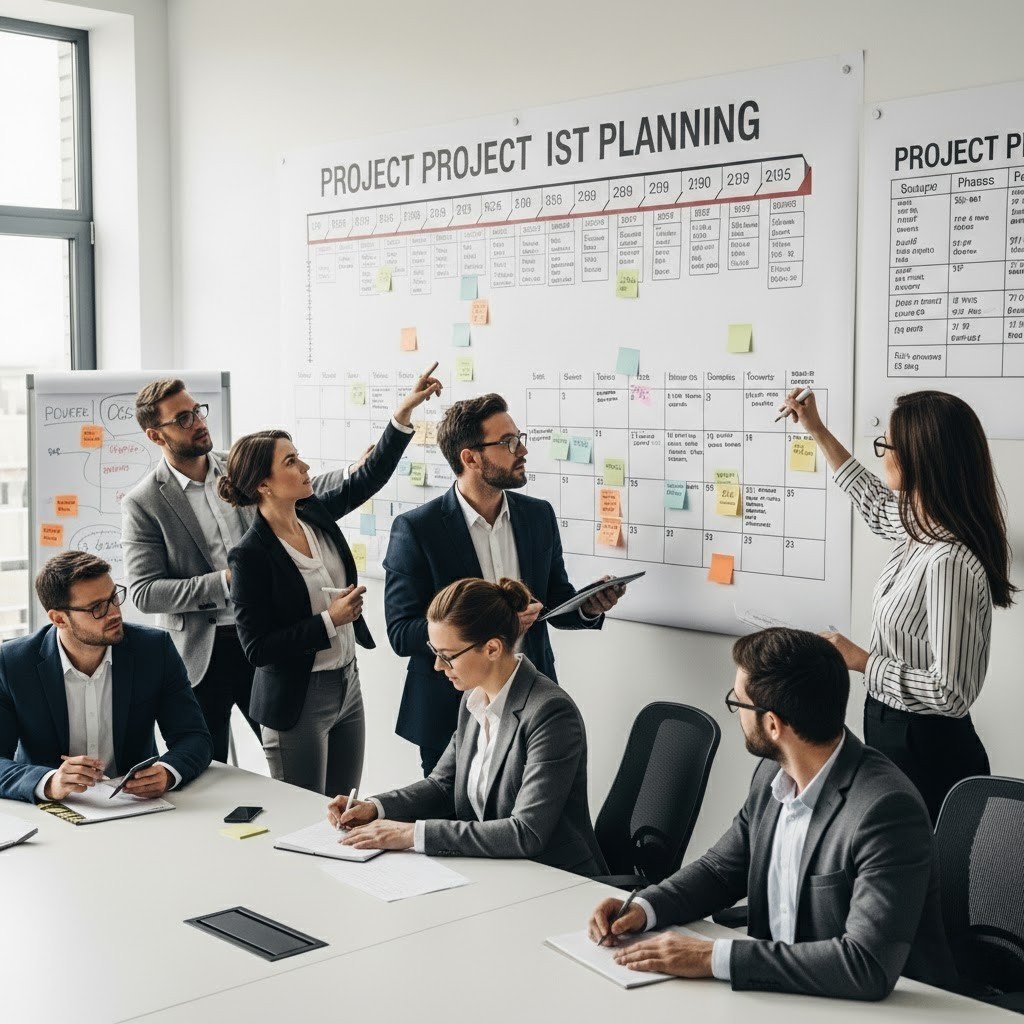
Attach clear timelines to each goal. Time-based planning improves discipline and reduces delays. It also helps managers compare actual progress with planned schedules during monthly or quarterly reviews.
Resource Evaluation

Review available funds, tools, and staff strength before finalising goals. Resource evaluation prevents overcommitment. It helps business teams focus on achievable targets rather than unrealistic expectations.
Skill Development
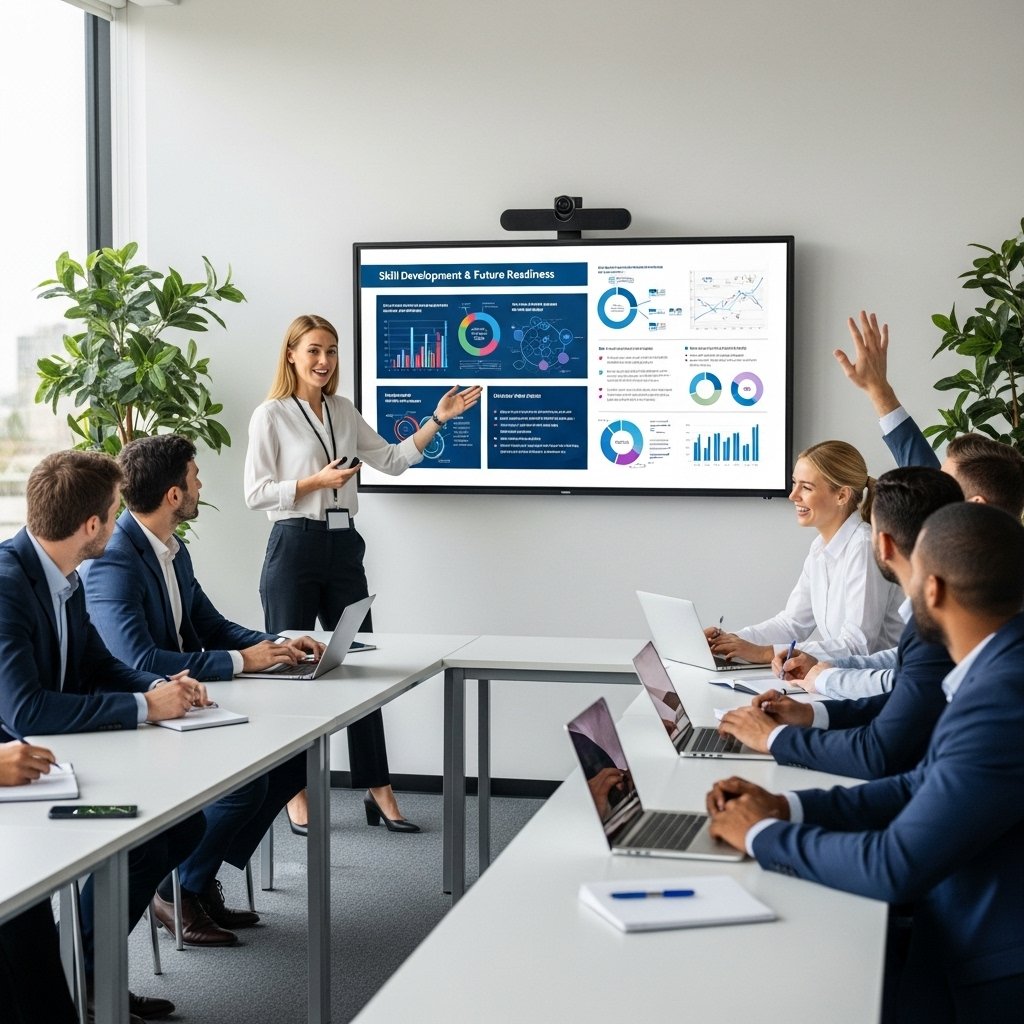
Link goals with training plans. Skill development supports service quality, safety standards, and productivity. It also prepares teams for new systems, policies, and changing customer demands.
Customer Experience Focus

Set goals that improve customer comfort, service clarity, and response time. A strong customer experience builds trust. It encourages repeat business and improves brand reputation across communication channels.
Risk Planning
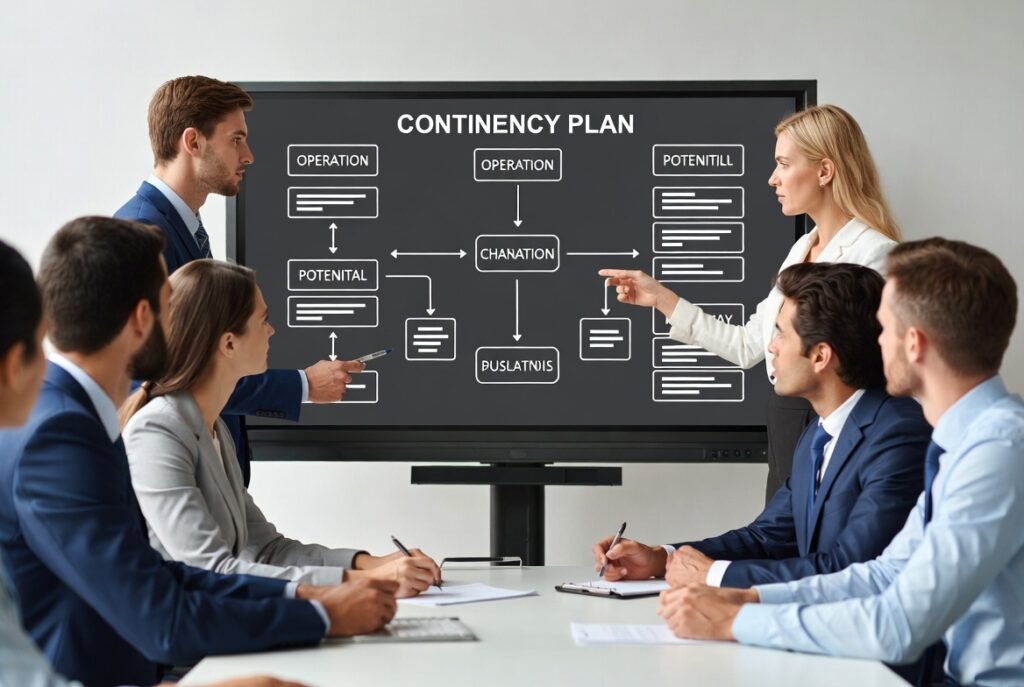
Add backup plans for possible delays or supply issues. Risk planning protects goal timelines. It reduces sudden disruptions and keeps teams prepared for operational changes.
Progress Reviews

Schedule regular progress reviews. Reviews allow managers to spot challenges early. They also encourage staff feedback and improve communication between departments.
Long-Term Balance

Combine short-term performance targets with medium- to long-term stability strategies. A long-term equilibrium underpinning sustained growth, financial prudence and employee welfare over future business cycles.
