
Business email compromise has become a major concern for both big and small organisations. It takes place when hackers utilise emails with falsified identities in order to obtain access to confidential information or financial data. In most cases, these messages seem authentic, and thus, they cannot be detected easily. With the growth of digital communication, businesses have to improve email security measures. Risk of financial loss and data exposure can be mitigated by clear policies and awareness of employees and well-established verification procedures. Business communication needs to be secured through constant effort and effective plans. To ensure that your organisation is not affected by threats of email, the measures that follow offer easy but effective tips on how to protect your organisation and ensure that people trust in the professional trading activities.
Employee Awareness Training

Awareness of suspicious emails is created through regular training of employees. Employees are expected to be aware of suspicious requests, links, and sender names. When the employees know the common tricks that attackers use, they are the initial line of defence against business email compromise.
Multi-Factor Authentication

Multi-factor authentication provides an additional level of security over passwords. Safety against unauthorised access is enhanced by the fact that users verify their identities by doing extra verification procedures. Although the login credentials may be stolen, this will ensure that attackers do not access business email accounts easily.
Strong Password Policies

Employees should be encouraged to develop powerful and distinctive email account passwords. The passwords are to contain mixed characters that should be changed regularly. Do not use a similar password on different platforms, as if a crack is made on one system, the business communication channels would be open to criminals.
Email Verification Procedures

Institute guidelines on how to validate financial or sensitive requests made via email. There should be direct communication between employees and the payment directions or any confidential information request, e.g., phone calls. Authentication lowers the possibility of replying to spam.
Secure Email Systems
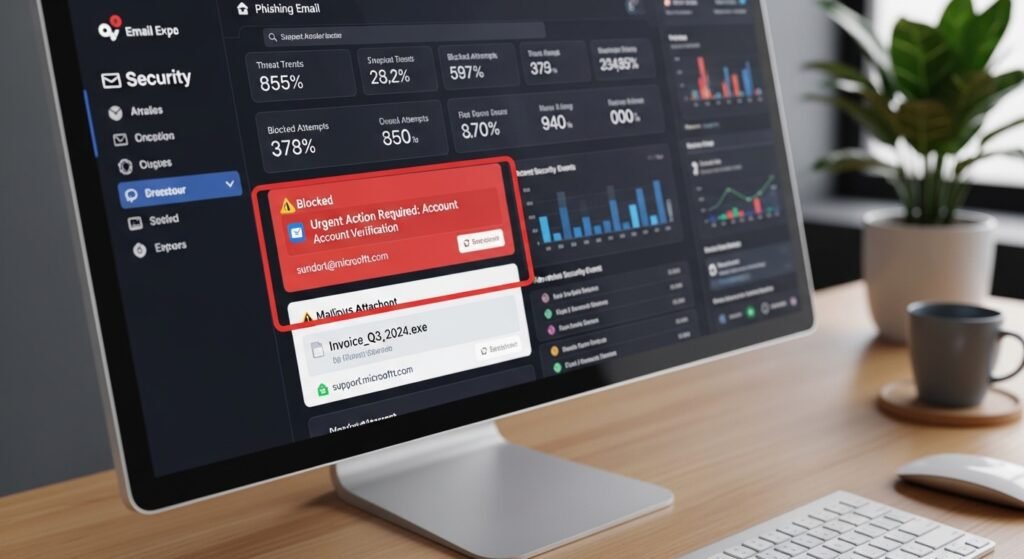
Install safe email systems with sophisticated filter systems. These systems identify suspicious attachments, block bad links and unusual sender behaviour. Consistent monitoring of their systems should be done so that threats to the organisations are identified at an early stage, enabling organisations to keep a safe communication environment.
Regular Software Updates

Make sure that email systems, security devices and tools are updated with the latest software patches. Vulnerabilities that can be exploited by attackers are resolved. Regular maintenance will enhance the security and maintain the security measures against new cyber threats to business communication.
Access Control Management
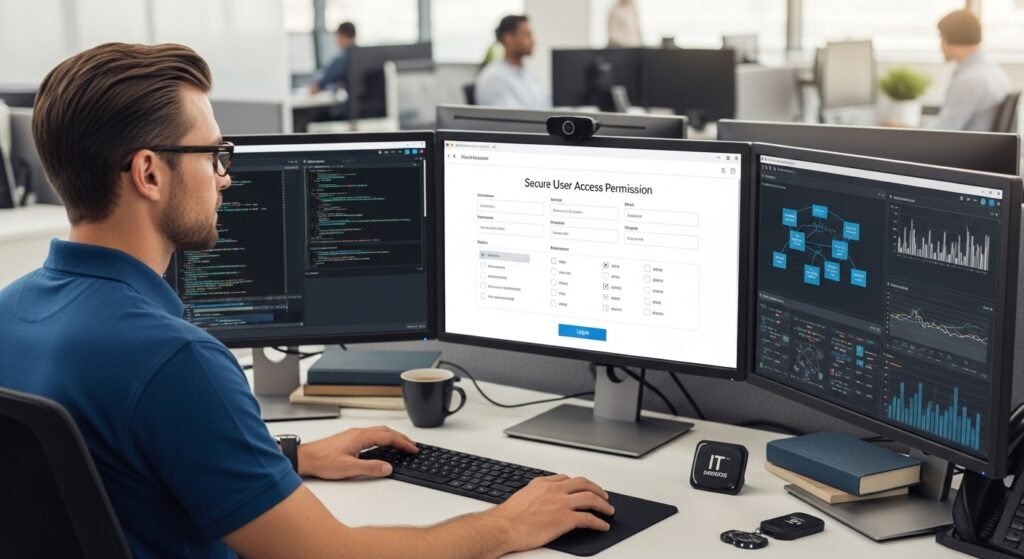
Acquire access to email accounts in accordance with the roles and duties of employees. Sensitive communication or financial transactions should only be carried out by people who are authorised. The correct access control can minimise the incidence of internal errors and unauthorised access to classified information by people.
Domain Protection Measures
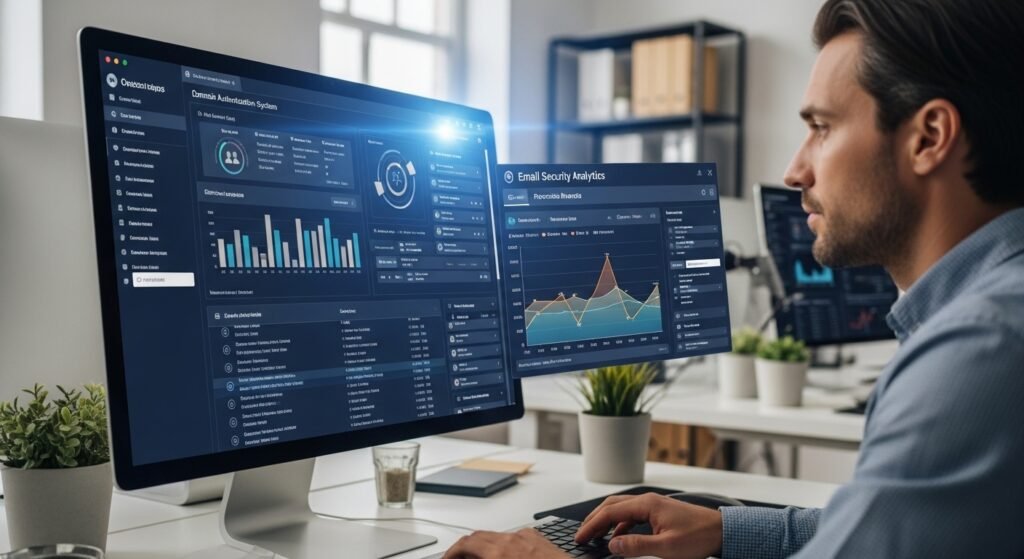
Secure corporate email addresses by implementing authentication controls that check the validity of messages. These rules allow the attackers to assume business addresses. Good domain protection ensures brand credibility, and it assists recipients in trusting the sincerity of organisational communication.
Incident Response Planning

Establish an effective response strategy to possible email compromise cases. The suspicious activity should be reported by the employees. The structured response is the most effective way of minimising damage, aiding the investigation process to be a fast and effective way of recovery enabled organisations to manage the effects of possible security breaches in email systems.
Continuous Monitoring Practices
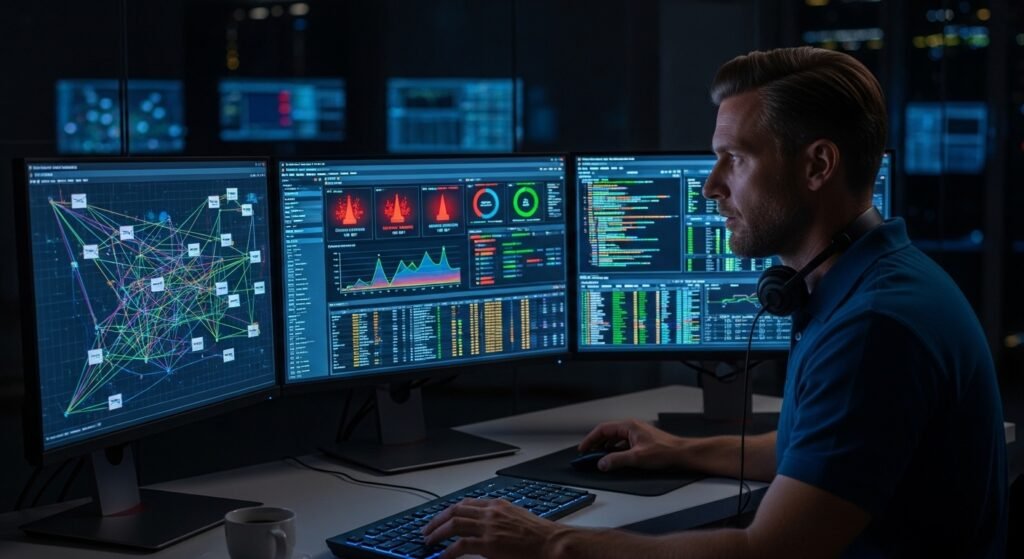
Monitor your email traffic to spot any unusual patterns or attempts to maliciously infiltrate one of your employees. Administrators can be alerted to suspicious behaviour by automated alerts. Continuity monitoring enhances the control and allows organisations to act promptly to possible threats before they get out of control.
Vendor Communication Security
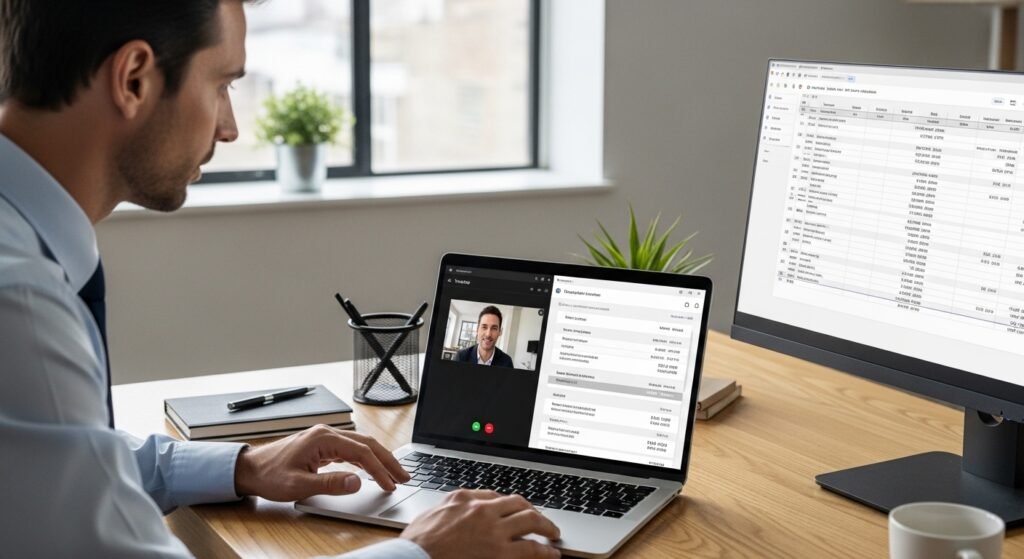
Be safe in communication with suppliers and other partners. Check any alteration of payment method or account details via verified channels. Clear communication criteria eliminate the chances of attackers using business relationships to exploit them by making false email requests and false instructions.
