
Social media exists as a platform which displays multiple “laundry hacks” that claim to deliver three specific benefits which include making your clothes whiter, your towels softer, and your washing machine cleaner. The content which has become popular online actually serves as methods to attain total destruction. Washing machines operate as precisely designed machines which contain delicate rubber seals and plastic components and electronic sensors. The use of improper household chemicals together with drum overload results in two potential outcomes which include costly machine repairs and laundry room flooding.
The “Vinegar Every Load” Myth

Vinegar functions as a natural cleaner which effectively removes stains from surfaces but it also possesses acidic properties. The material will start to degrade rubber seals and hoses whenever you use it for every load. The process creates leaks which become expensive and difficult to repair as time progresses.
Excessive Liquid Fabric Softener
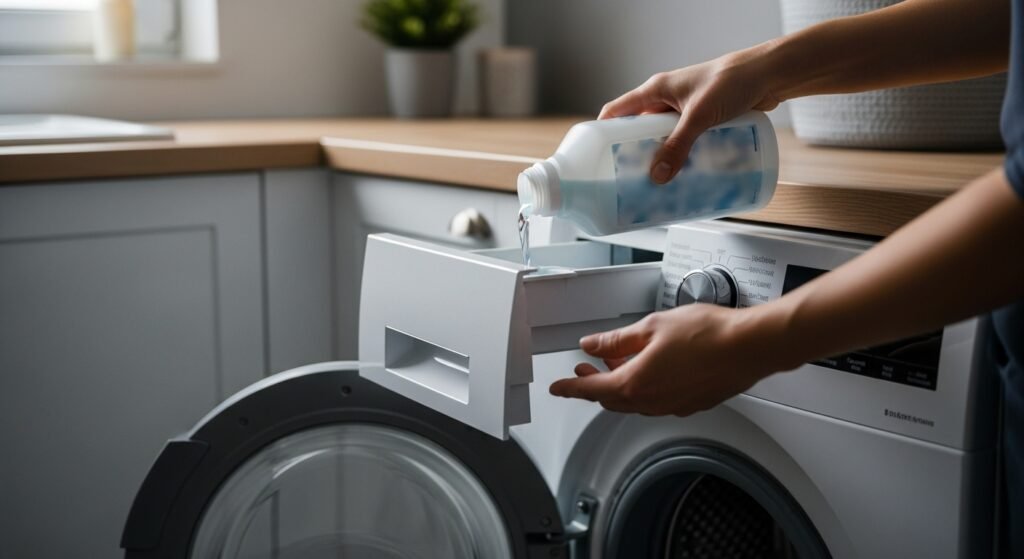
Viral videos often show people pouring large amounts of softener into the tray. Fabric softener consists of a thin protective coating which uses wax and oil materials to create its effect. The material accumulates inside the washing machine drum and pipes which leads to the formation of “sludge” that traps bacteria and produces a moldy odor in your machine.
Overloading for “Efficiency”
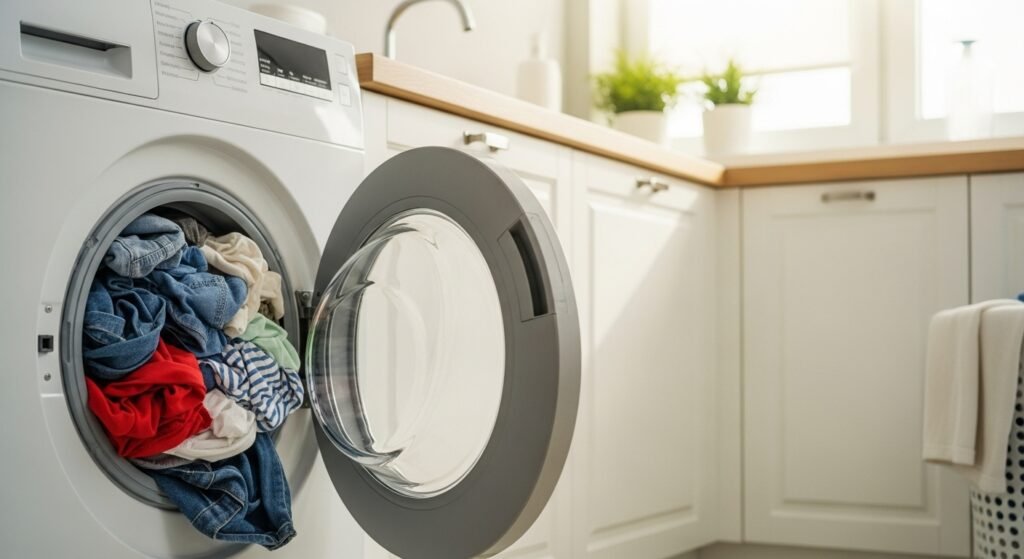
Many people try to save time by stuffing the machine until it is packed tight. The operation requires excessive power because it puts extreme pressure directly onto both the motor and the drum support bearings. The practice will produce loud vibrations which will damage the entire machine until it completely breaks down.
The “Lemon in the Drum” Hack

Some suggest throwing a cut lemon into the wash to brighten whites. The problem is the pulp and the seeds. The drain pump filter material can become clogged whenever small elements get through the fine mesh barrier.
Mixing Bleach and Vinegar
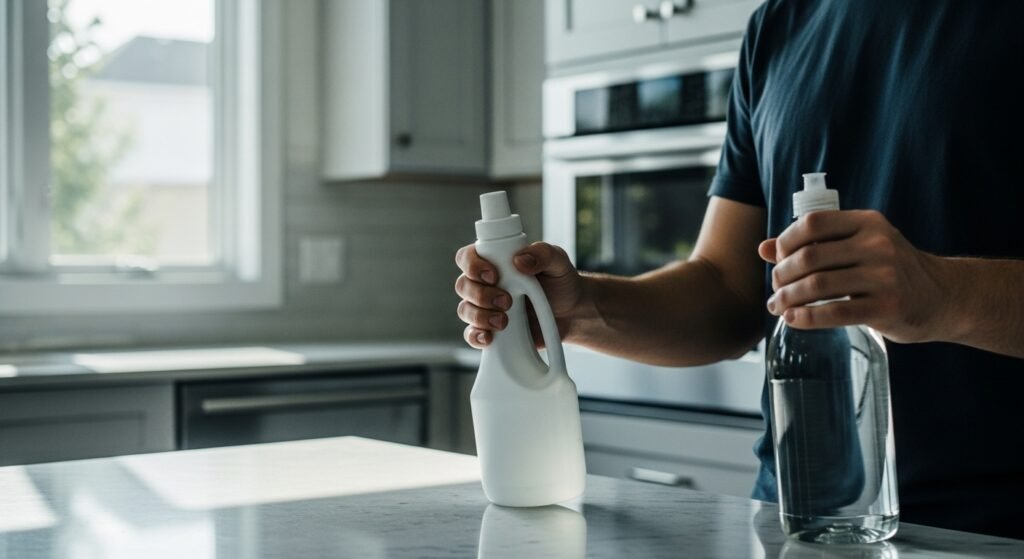
Some hacks suggest mixing these for a “deep clean.” This practice creates an environment which puts people at serious risk. The procedure of combining bleach with vinegar produces hazardous chlorine gas. The procedure creates severe damage to internal machine components while posing a major health risk to users.
Using “Laundry Stripping” in the Machine
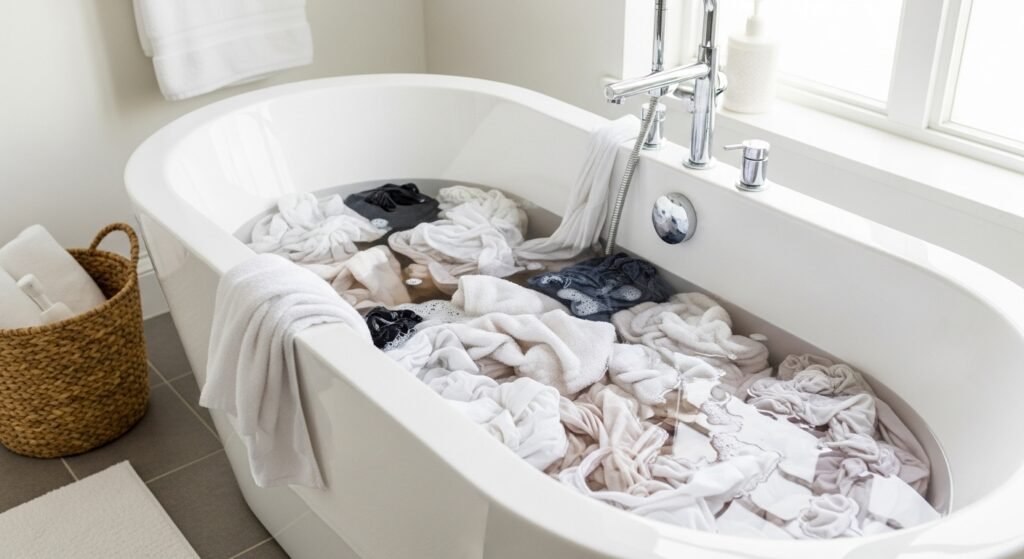
Laundry stripping involves soaking clothes in a tub of hot water, Borax, and washing soda. The inside of the machine contains materials which will destroy equipment when used for washing purposes. The heavy mineral buildup will leave scratches on the drum while spreading over the sensors which measure water usage.
The “Tennis Ball” Noise Maker
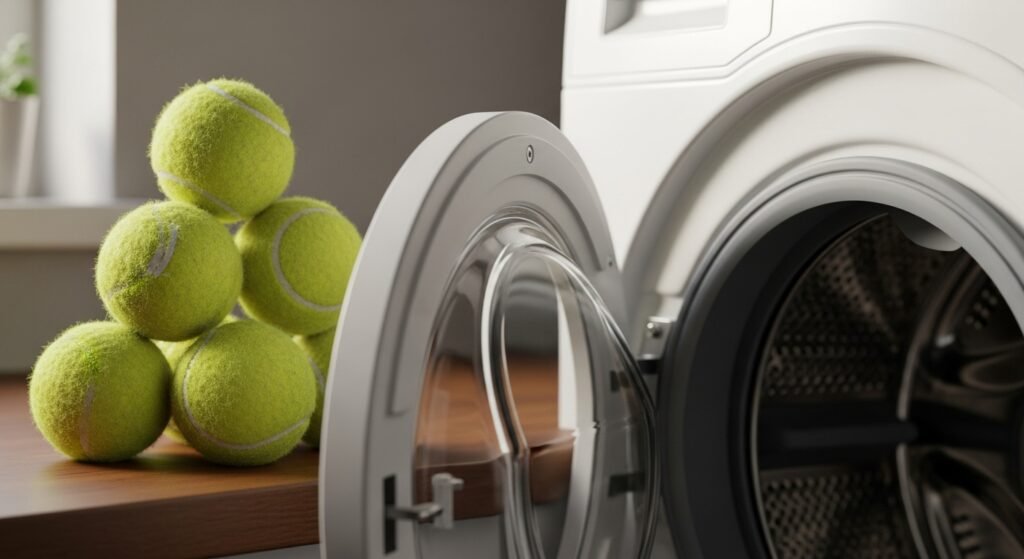
People use tennis balls in their washing machines or dryers because they believe the balls will create a fluffing effect. The loading of a ball into the high-speed spin cycle creates a heavy thumping sound which results in drum imbalance problems. The procedure creates harm to the suspension springs which are responsible for maintaining machine stability.
Essential Oils in the Dispenser
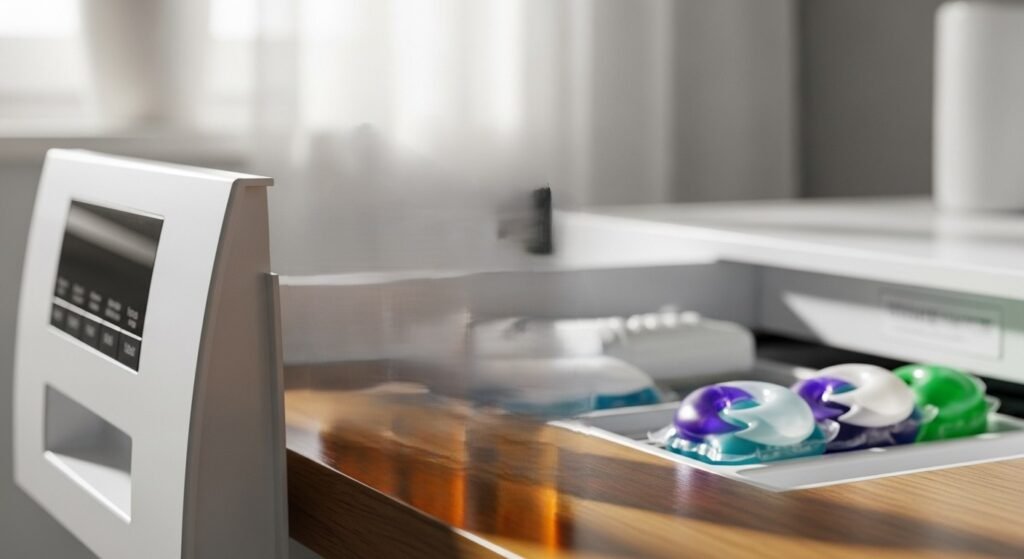
Adding oils directly to the detergent drawer can be a mistake. The combination of oils and water results in difficult dissolution which creates a sticky substance that attaches to all plastic machine elements. The sticky substance attracts lint and dirt which results in the creation of blockages.
Too Much Detergent
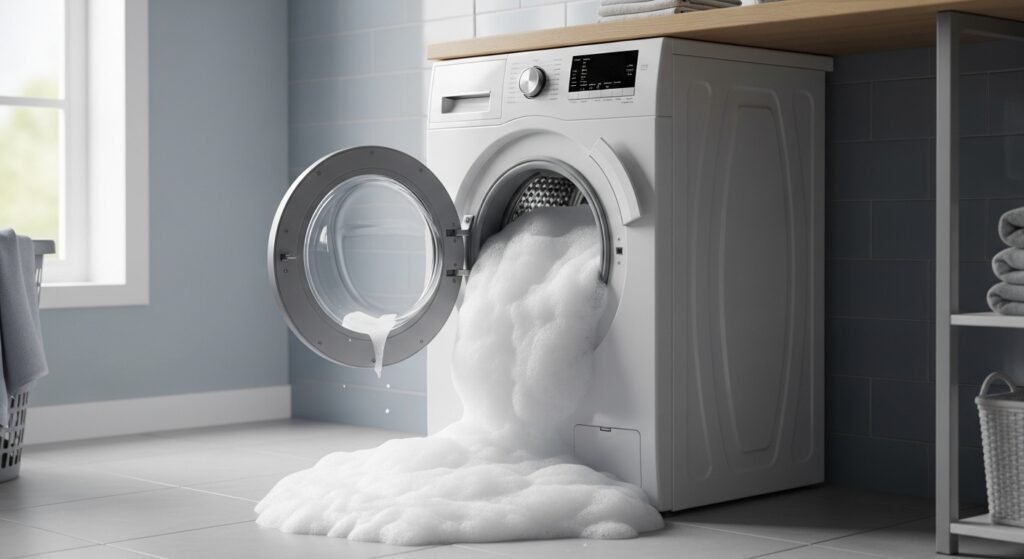
Modern machines (especially HE models) use very little water. The “hack” method which requires additional soap needs to be stopped because it leads to excessive soap use which results in total clothing failure. The heating element develops a “film” which leads to its overheating and subsequent breakdown.
Ignoring the Drain Filter

The filtering system receives complete neglect because the “hacks” focus their attention on drum operations. The absence of drain filter cleaning which takes place through a small door at the bottom results in accumulation of coins and hair and lint material. The motor requires twice the standard power level because it needs to force all water from the system.
Using Hot Water for Everything
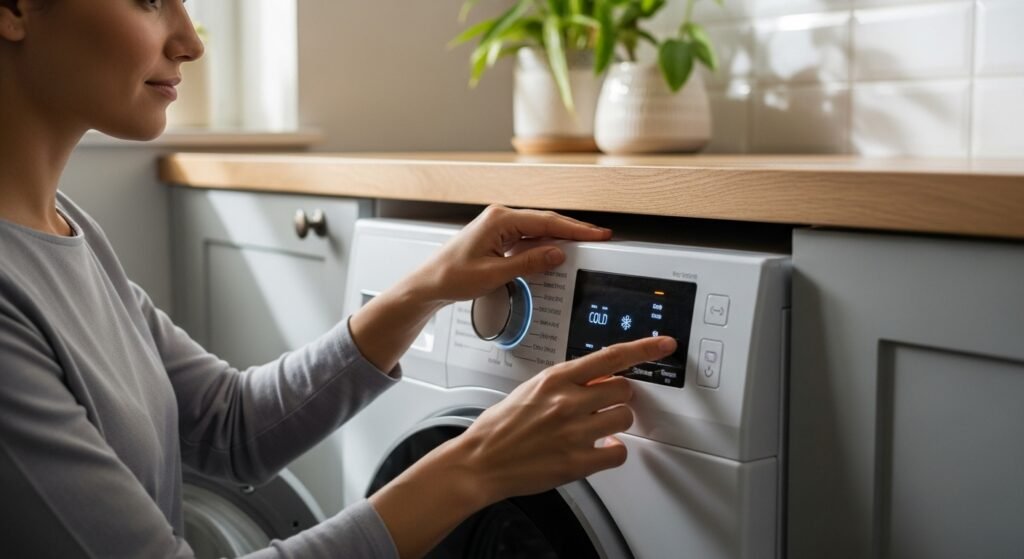
The use of hot water delivers effective cleaning results but its application through all washing loads damages both the internal heater and the rubber gaskets. The operation of the machine needs cold or warm water usage because those methods will guarantee longer service life for all machine components.
