
Workload pressure is a normal occurrence at the workplace, yet many employees do not address the issue of workload with their leaders. The fear of being perceived as weak or irresponsible many times makes it hard to have real conversations and this may cause burnout and low productivity in the long run. Responsibility and professionalism are in fact demonstrations of thoughtful communication regarding workload. Early conversations are normally preferred by the managers, as opposed to missed deadlines or deteriorating performance. These discussions can be used to better expectations, priorities, and build trust when they are approached in a strategic manner. To understand how to talk about workload in order to make your situation calmer and more constructive is a way to make your work habits healthier and to make sure that you and your team are still successful.
Research Before the Interview

Look at your present tasks, deadlines and responsibilities. Examples are good to make your manager see the situation objectively. Preparation helps to focus the discussion on a solution, as opposed to emotions.
Complaints, Not Priorities

The discussion should be all about output and outcomes rather than stress in isolation. Requesting as to what tasks should be given precedence is a sign of commitment to quality work as opposed to evading responsibility.
Use Specific Examples

Give examples of workload issues using practical situations, e.g. conflicting deadlines or more responsibilities. Real-life examples simplify the problem and help address it.
Choose the Right Timing
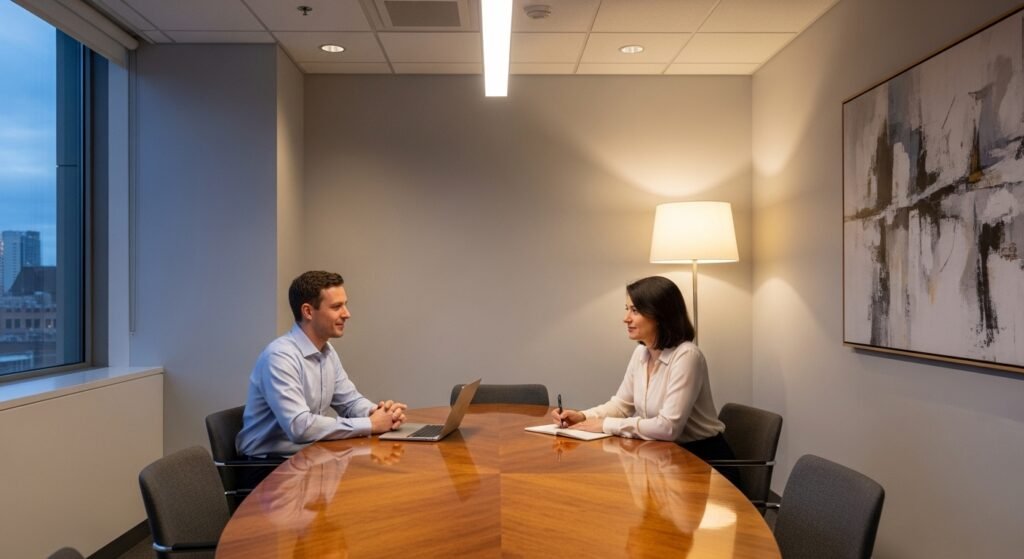
Do not raise the issue of workload in stressful situations or during hectic meetings. When you organize a discussion with your manager specifically, both you and your manager will have time to think and express yourself effectively.
Suggest Possible Solutions

Managers like proactive thinking. Provide practical suggestions, e.g. re-allocation of deadlines, redistribution of tasks, or of priorities. Teamwork gives one a more efficient result.
Stay Professional and Calm

Remember to be respectful and solution oriented. Emotional response may interfere with the message whereas stability in communication creates credibility and trust.
Highlight Your Commitment

Get it straight that you are aiming to keep the work of high quality. A focus on performance will convince your manager that you are interested in the success of the team.
Be Open to Feedback

New insights or workflow alterations may be offered by your manager. Active listening is useful to make the discussion a joint problem-solving session.
Agree on Clear Next Steps

Ahead of terminating the discussion, verify revised priorities or expectations. Action points are clear and make sure action really takes place.
Follow Up Afterward

Report back later to communicate progress and make sure that changes are beneficial. Regular communication enhances the working relations and avoids overload in the future.
Establish Long-term Communication Patterns

Constant communication on workload will prevent the stress in the future. Open communication allows the development of a healthier workplace in which problems are discussed at the open instead of being neglected.
