
People who miss the April 15 tax payment deadline experience stress. The key is understanding what actually happens next—and what you should do immediately. The Internal Revenue Service establishes distinct regulations for late payments which include penalties and interest and payment relief options.
You Still Need to File Your Tax Return

You must file your tax return even if you cannot make the payment. Your tax return needs to be filed because it prevents the failure-to-file penalty which costs more than the failure-to-pay penalty.
You Can Request a Filing Extension

Your payment is still due on April 15 even though you can file an extension through Form 4868 which shifts your filing deadline to October. Interest and penalties begin after that date.
You’ll Be Charged a Failure-to-Pay Penalty

The IRS assesses a monthly fee which equals 0.5% of your unpaid taxes until the total reaches 25%. The process remains active until you complete payment of your outstanding amount.
Interest Starts Accruing Immediately

The first day after the deadline marks the start of interest charges. The rate typically follows federal rate guidelines which undergo quarterly adjustments. The interest amount grows each day which raises your overall debt.
The Failure-to-File Penalty Is Much Higher
The penalty for not filing at all reaches 5% each month until it reaches the maximum limit of 25% which exceeds the payment penalty. All taxpayers must file their taxes on time because it is essential.
Partial Payments Help Reduce Penalties

Paying any amount helps decrease both penalties and interest charges even when you cannot pay the entire amount. The IRS supports taxpayers who choose to make partial payments.
You Can Set Up a Payment Plan
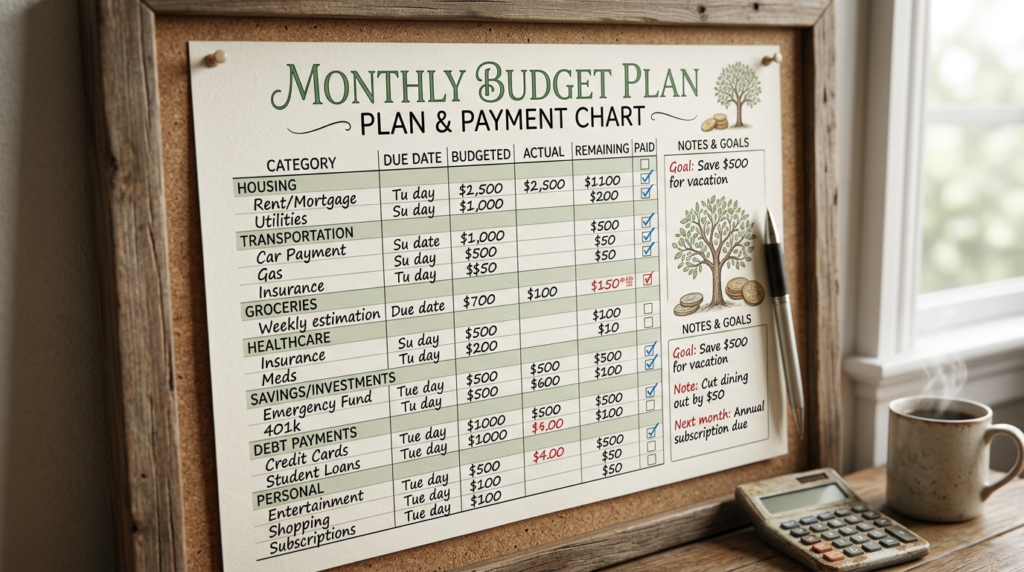
The IRS provides taxpayers with installment agreements. Many taxpayers qualify for monthly payment plans which enable them to pay off debt over time instead of all at once.
Short-Term Payment Plans
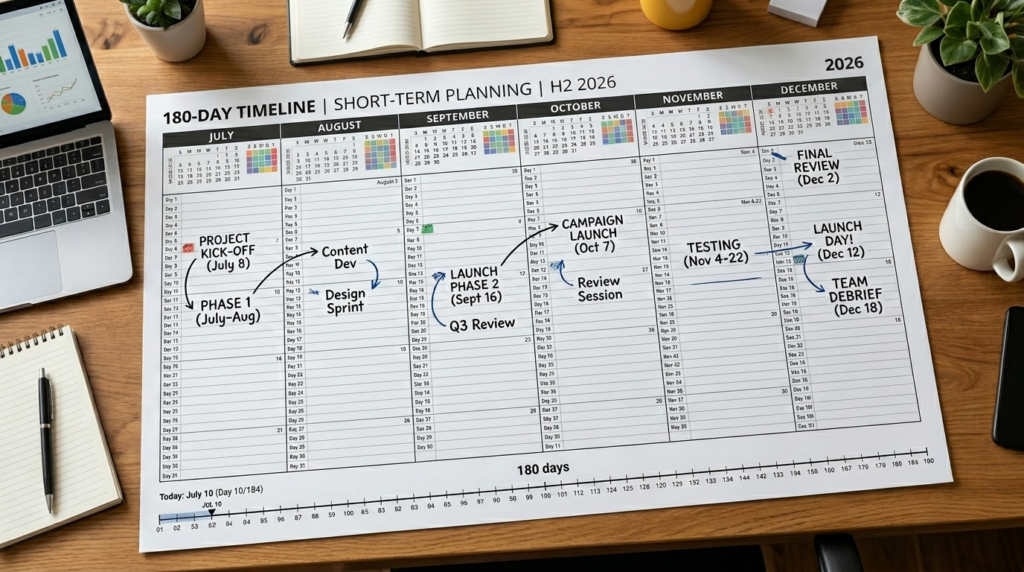
The organization offers short-term payment options to its customers. The organization provides customers with a short-term payment plan that eliminates setup fees for payments made within 180 days.
Can Lead to Collection Actions

If you don’t respond, the IRS can take action such as, sending notices, placing liens, and levying bank accounts or wages. These steps usually happen after repeated warnings. Therefore, individuals must comply with policies to prevent odd actions.
Communication Helps Avoid Bigger Problems

It would not be wrong to say that taxpayers who contact the IRS before their problems become worse. The IRS system shows greater flexibility to taxpayers who take proactive steps.
