
The name and logo of a startup determine the way individuals will recall a business. They are presented on websites, in products, in emails, and in conversations. A great identity helps establish trust even before a customer reads a single word. Making bad decisions causes disorientation and a lack of trustworthiness. Designing and naming are not imaginative add-ons. They are business tools. The name needs to be short, easy to speak and remember. Logo must be simple, balanced and purposeful. They say their values, purpose, and direction together. Considerable branding promotes future expansion. It also assists a startup to shine against the noise and exaggeration of the crowded markets.
Brand Purpose

Begin with the certainty of why the business is there. A purposeful name and logo should not be a fad. In the event that the purpose is understood, the decisions about branding become simpler. Consistency establishes credibility and makes viewers know what the startup is all about.
Audience Understanding

Know who the brand speaks to. The language, tone and visual style must conform to the expectations of the audience. An identity that is well matched is familiar and respectable. This association promotes the acknowledgement and constant interaction in the long run.
Simplicity in Naming

The name must be short and easy to say. Single words are quicker to utter. They lessen the confusion and enhance recall. Complex spellings, which have to be explained or corrected repeatedly, should be avoided.
Meaningful Association

The powerful name suggests values or orientation. It need not tell us all about it. The meaning is better worked out than explained. This enables the brand to expand without the feeling of being constrained or old-fashioned.
Visual Balance in Logo Design

A logo must be a stable and understandable one. Shapes and spacing are balanced to enhance readability. The overloaded designs confuse the eye. The logo will be able to be used on screens, on print, and on signage as the structure is clean.
Colour With Purpose

Colour affects perception. Select the colours that endorse the brand mood. Reliable colours are calm in nature. Powerful tones are indicative of confidence. Minimise palette in order to keep the picture articulate and not overloaded.
Scalability Across Platforms
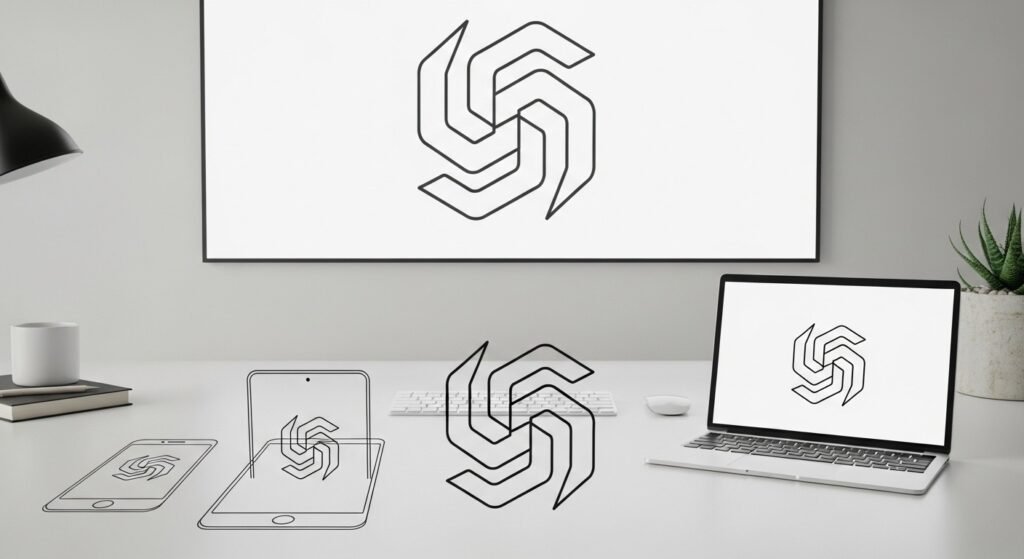
A logo should be able to conform to varying sizes. It must be legible on the mobile screens and on huge screens. Scalable design avoids details being lost, and presentation is always consistent.
Originality and Distinction

Do not use designs that have similarities to already existing brands. Unique branding minimises the confusion and creates credibility. A unique identity safeguards the reputation of the startup, and it helps in recognition in the competitive areas over a long duration.
Legal and Digital Availability

Enquire about the availability of the check name. Safe social names and domain names. This is a measure to avoid conflict in the future. It also provides a seamless online presence after the launch.
Timeless Design Choices

Trends fade quickly. Eternal branding is extended. Choose styles that age well. This eliminates the redesigning process that takes place often and maintains brand recognition over time.
Consistent Brand Use

Make the name and logo the same everywhere. Memory is enhanced by consistency. It is also an indication of professionalism. Familiarity through repetition fosters trust and the value of a brand in the long run.
