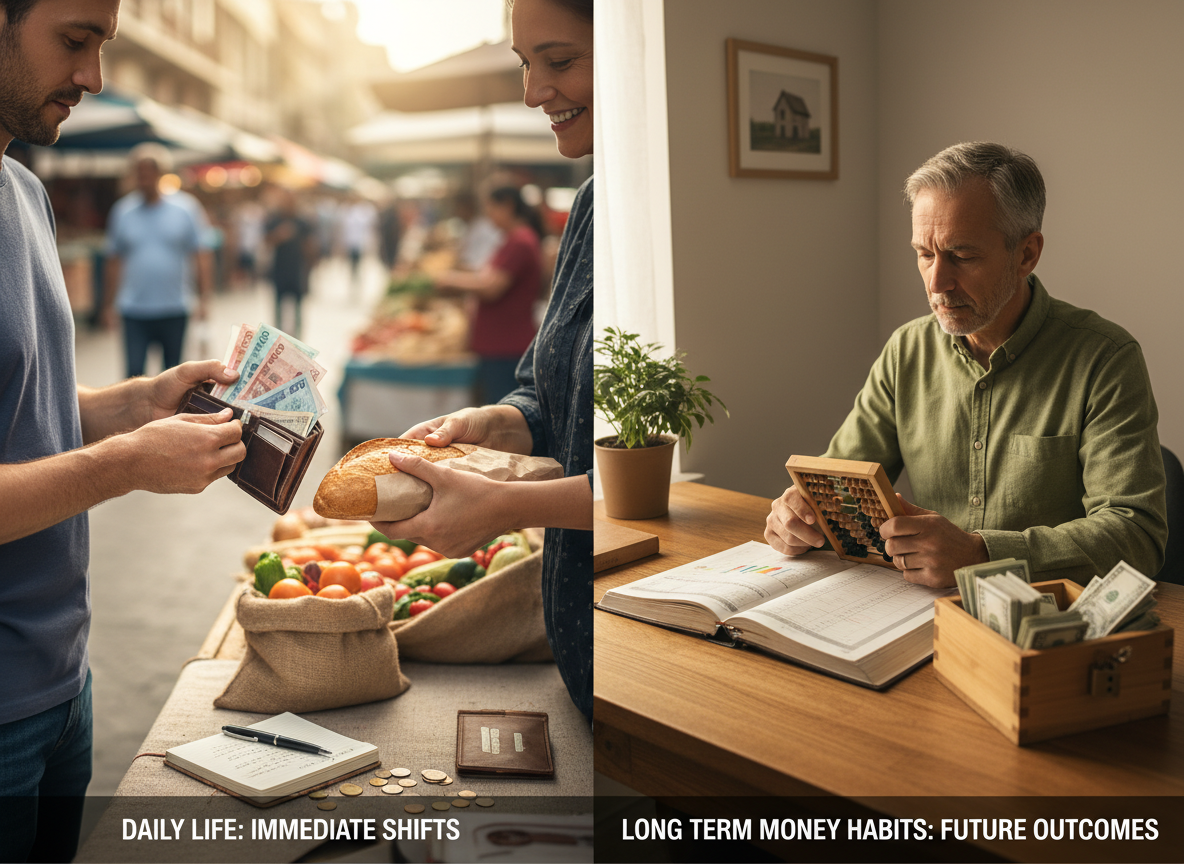
Paying only in cash sounds simple. The choice shifts how you spend, save, and plan. Daily habits change fast. Some benefits appear early. Some limits surface later.
You notice spending faster

Cash creates instant feedback. You hand over notes and coins. Your wallet feels lighter. You pause before each purchase. Small costs feel larger. Many people cut impulse buys within weeks. You track prices better. You skip extras. Your daily spending drops because every payment feels personal.
Budget control improves

Cash forces structure. You set weekly limits. You divide money into envelopes. Once cash runs out, spending stops. No overdraft. No hidden fees. Many households report lower monthly outflow after switching. You learn priorities fast. Rent, food, transport get funded first. Extras wait.
Debt exposure drops

Cash blocks borrowing. No swipe. No delayed payments. You avoid interest charges. Credit balances stop growing. Missed payment stress fades. Lenders lose influence over daily choices. People using cash report fewer money worries tied to bills. Financial pressure declines because spending stays inside earned income.
Privacy increases

Cash leaves no digital trail. No transaction logs. No spending profiles. Merchants record less personal data. Advertisers gain fewer signals. You decide where money goes without tracking. Many people value this control. Privacy becomes practical, not abstract. Daily purchases stay between you and the seller.
Rewards and perks disappear

Cards offer points. Cash offers none. Travel miles vanish. Cashback stops. Some users feel loss here. Long term math favors discipline over rewards. Overspending for points costs more than rewards earn. Cash users trade perks for clarity. You decide whether rewards outweigh higher spending risk.
Large purchases feel harder

Big expenses challenge cash use. Cars, appliances, electronics demand planning. Carrying large sums feels risky. Sellers prefer digital payment. You schedule purchases earlier. Saving periods grow longer. This delay reduces rushed decisions. You research more. Fewer regret purchases occur due to slower buying cycles.
Emergency handling changes

Emergencies test cash systems. Hospitals, flights, repairs often expect cards. You need backup plans. Trusted contacts help. Some people keep a basic debit card unused. Cash reserves stay separate. Planning matters more. Without preparation, stress rises. With planning, responses stay calm.
Social situations shift

Friends split bills digitally. Cash complicates group payments. You count notes. Change matters. Some settings move faster than cash allows. You adapt by paying upfront. Social pressure exists. Clear communication solves issues. Many people respect firm money rules when explained briefly.
Security risks differ
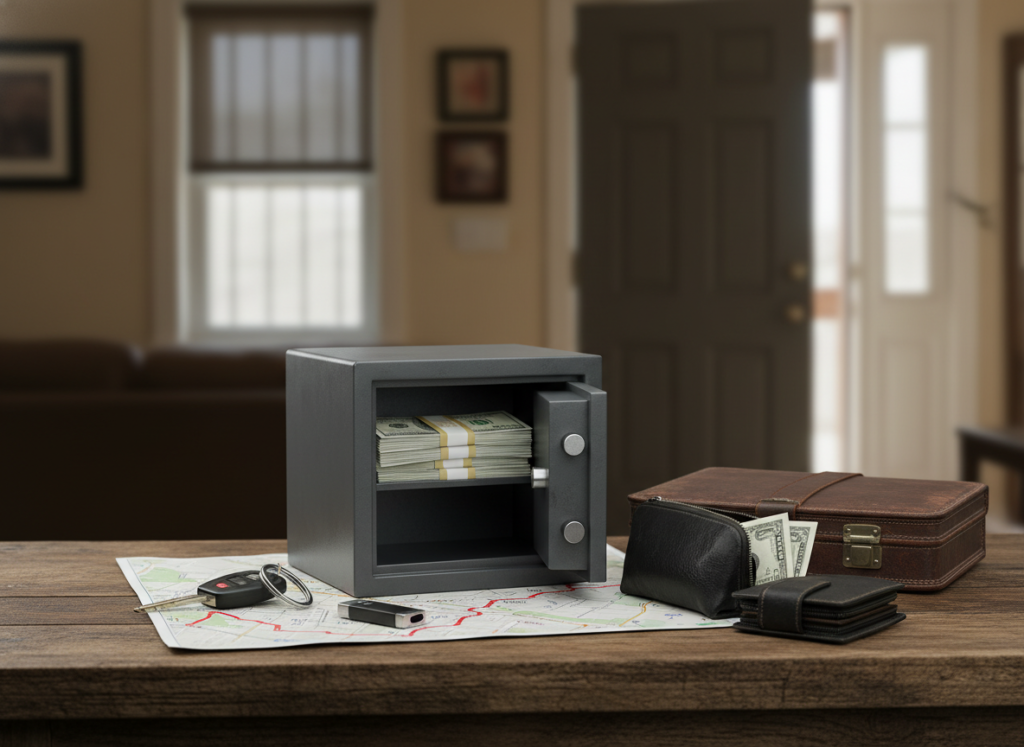
Cash theft feels final. No chargebacks. No recovery. You store money carefully. Home safes help. Small daily carry limits reduce loss. Card fraud brings banks into disputes. Cash shifts responsibility to you. Awareness grows. You build habits around secure storage and transport.
Money awareness strengthens

Cash builds awareness over time. You know prices. You remember totals. Math improves naturally. Spending aligns with values. Financial confidence grows. Many users feel calmer around money. Control replaces guesswork. Long term habits form through repetition, not apps. Awareness stays active every day.
