
Venture capital in the US is experiencing one of the most radical changes in decades. Having previously been characterized by aggressive funding rounds and accelerated valuations, the industry is currently experiencing the adjustment to a more uncertain economic environment, shifting founder assumptions, and technological upheaval. Investors of 2026 are focusing on sustainable growth, capital efficiency and differentiated innovation as opposed to hype-driven growth. Meanwhile, the emergence of new sources and structures of funding, AI-driven decision-making tools and international competitive conditions are transforming the process of deal sourcing and structuring. Venture capital is becoming more varied, strategically-oriented, and disciplined, becoming more of a new era to both startups and investors, whether it is solo general partners, corporate-based mega funds.
Slower Funding Cycles

The venture firms are approaching investments at a slow pace, compared to the past years characterized by fast dealmaking. Long diligence translates to emphasis on the basics and not momentum. Funding processes are increasingly becoming planned leading startups to restructure timelines.
Profitability Over Growth

Investors are placing focus on sustainable income and unit economics. The founders should show signs of profitability earlier in their lifecycle. This change is transforming the startup patterns in industries.
Rise of Solo VCs

In earlier-stage deals, the independent investors having less capital are becoming more influential. Competitive advantages are provided by their pace, relationship with the founders and their niche expertise. Solo VCs are diversifying sources of funds.
AI-Powered Investing

Venture firms are becoming more AI-focused on competitive, market, and startup analysis. Investors are discovering opportunities at a quicker rate using data-driven insights. Portfolio monitoring and risk assessment are also being enhanced with the help of AI tools.
Sector Specialization

The generalist funds are being replaced with specialty investors such as climate, biotech and infrastructure of AI. Farmer domain knowledge allows providing more support to founders. The world of competitive markets is moving towards specialization.
Mega Funds Reposition

Giant companies like SoftBank Vision Fund and Tiger Global Management are working on strategic choices following spur-and-tail market trends. Many of them are taking the selective investment strategy as opposed to aggressive deployment. This reassessment is also affecting the financial patterns in the world.
Founder-Friendly Structures

New flexible terms of deals and alternative financing models are coming up. Rolling funds and revenue-based financing give the founders more choices. These associated structures minimise dilution and access to growth capital is preserved.
Corporate VC Expansion
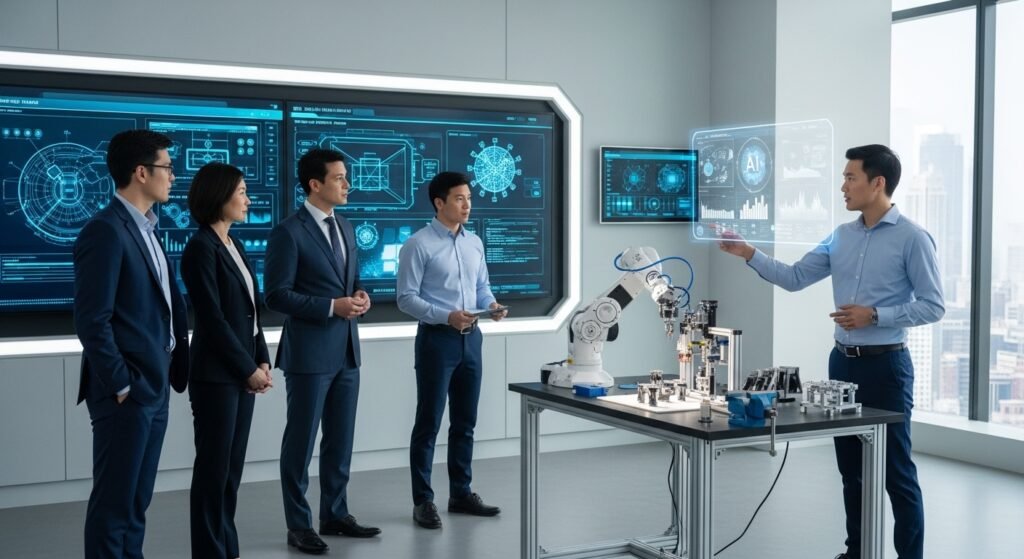
Corporate venture arm is increasing its contribution towards funding innovation. The strategic investments enable the companies to tap into the emerging technologies. Start ups are collaborating with enterprises more as a consequence.
Global Competition

The venture capital pools in the United States currently compete with the foreign capital supply. Startups are going global with businesses establishing new units in overseas countries. This competition is increasing the expectations of the investors and founders.
Accelerator Evolution

Programs such as Y Combinator and funds such as Sequoia Capital and Andreessen Horowitz are no longer investing in platforms, but in ecosystems. Founder education, hiring assistance, and services distribution is a developing part of offering. Accelerators are becoming long-term growth partners as opposed to short-term LaunchPad.
