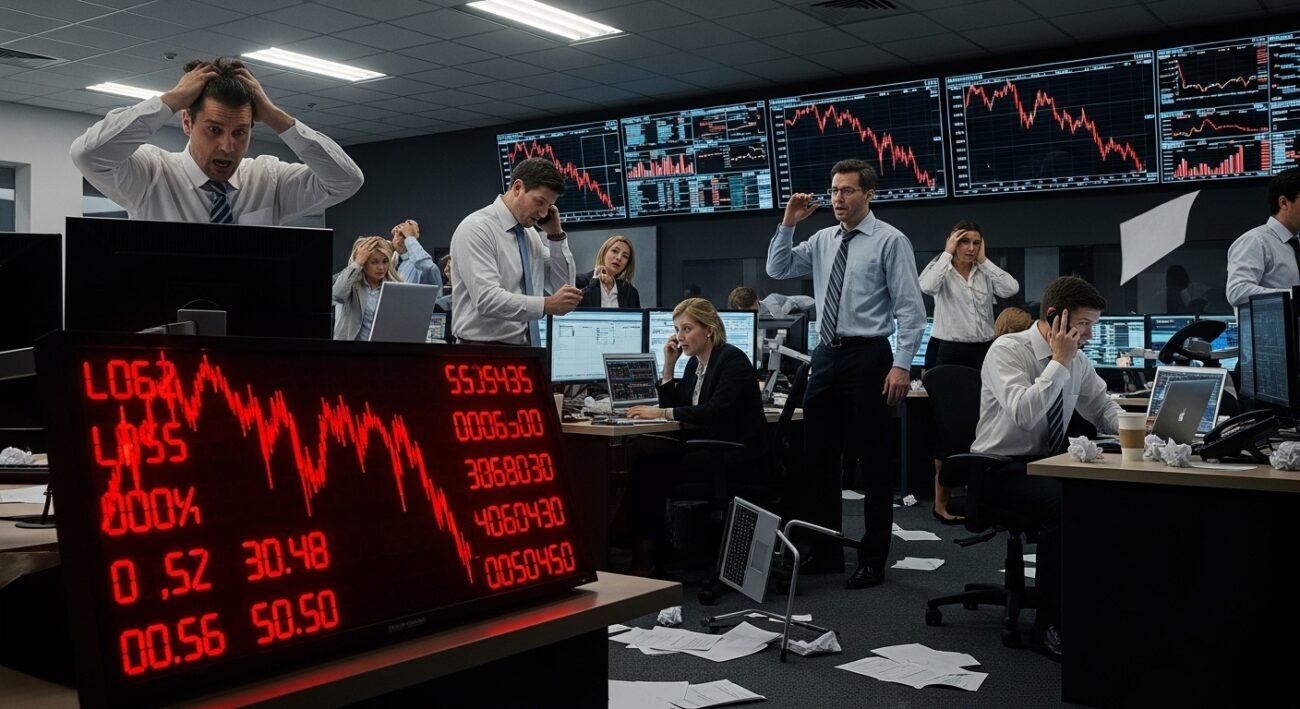
The so-called safe investments might be fraught with some secret dangers that, in times of unexpected changes in the market, may become apparent. The recent financial losses have made it clear that confidence can go down fast when investors think that things are stable without properly recognizing any background exposure. Others would invest a lot of money on the knowingly low-risk assets and see values collapse virtually overnight because of liquidity issues, interest-rate pressure, or due to unpredicted market responses. According to the financial analysts, the concept of an investment that is entirely risk-free is mostly a fable. Even the conservative ones might experience cutting-edge declines when economic situations alter quicker than investors or institutions expect them to.
What the Investment Appealed to Be Safe

Constant returns, low volatility and effective selling stories have drawn many investors. Bond products, funds, or fixed-income products are usually considered to be stable as compared to stocks.
The shock was instigated by changes in the interest rates

Sudden changes in the rate of interest might drastically diminish the worth of some investments. The assets that had previously appeared safe when interest rates were low are exposed the next moment when the interest rates start to increase.
Liquidity Issues aggravated Losses
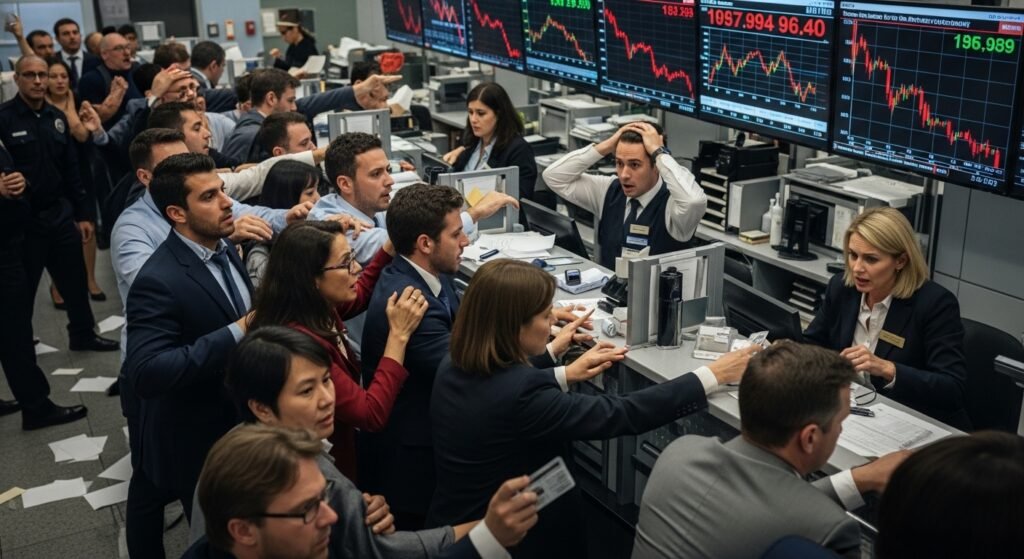
When an excess number of investors attempted to get their funds at the same time, the markets could not deal with the demand. The lack of liquidity led to quick sell off operations which further lowered the prices.
There usually was a lack of diversification
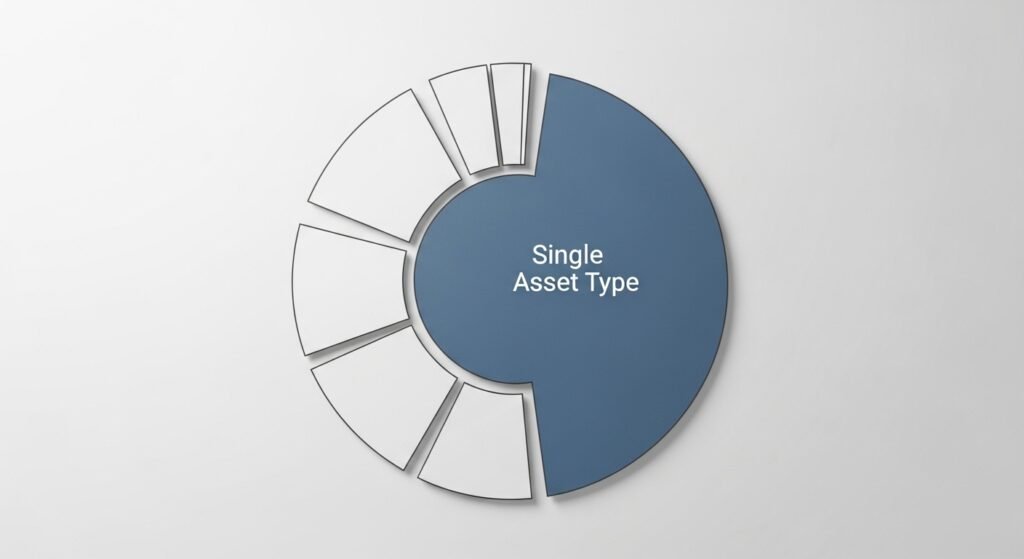
Other investors were overfocused on one of the safe categories. In the absence of diversification, any minor contravagances can be used to cause large damages in a portfolio.
Marketing Language may be deceptive
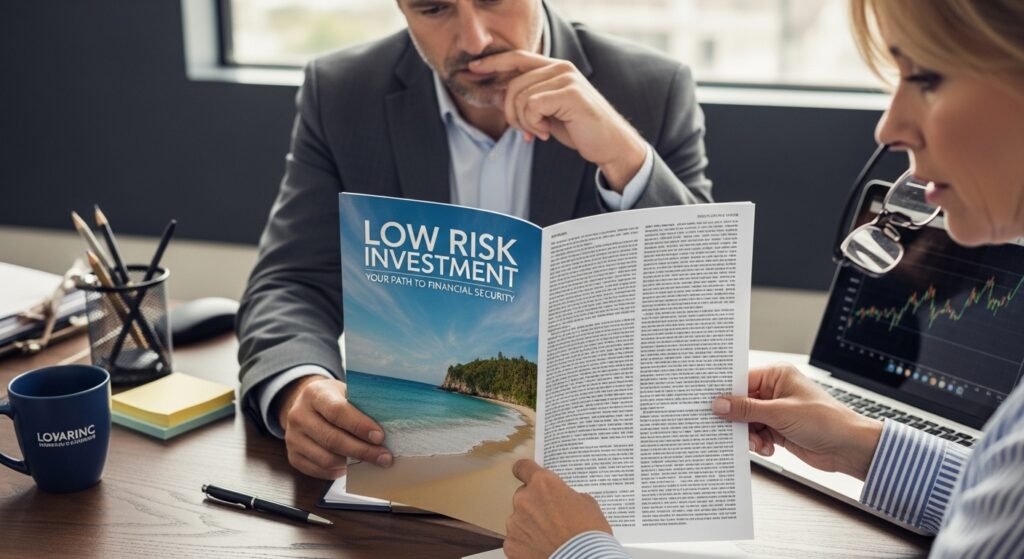
Such words as low risk or capital preservation do not imply protection. The financial products remain under the influence of the markets and management.
Retail Investors were the worst affected

Individual investors usually came late and were attracted by the good performance in the past. Most of them did not know about sophisticated dangers concealed behind vague descriptions.
Professionals Stress Knowledge More than faith

The main focus of financial advisors is reading disclosures and cognizing returns generation process instead of focusing on reputation and popularity.
Warning Signs Were Present

The increase in yield, tightening of credit market, and decreased liquidity were early signs which some analysts had observed before the recession started to pick up.
What Investors Really Should Learn

Rather than scouting safe investments, professionals suggest constructing balanced investing, emergency funding and planning volatility as a typical aspect of investment.
