People today use digital payments and online banking services for their everyday transactions, yet financial professionals continue to examine the benefits of maintaining some cash reserves at home. Cash serves as emergency money that people can instantly use when they experience network downtime or power outages or need to make emergency purchases. The main concept requires people to handle physical money payments in order to make their operational work easier while they need to keep their cash inventory at precise levels. This method helps households achieve better financial control while improving their preparedness for unplanned expenses.
A Small Emergency Buffer
Financial advisors often mention the value of a small emergency buffer at home. This amount usually covers immediate needs such as groceries, transportation, or small household expenses during situations where digital payments feel inconvenient or temporarily unavailable.
Cover a Few Days of Basic Expenses
Many experts suggest keeping enough cash to handle a few days of everyday costs. This approach includes essentials like food, fuel, or local travel. The goal focuses on short-term convenience rather than storing large sums.
Consider Household Size
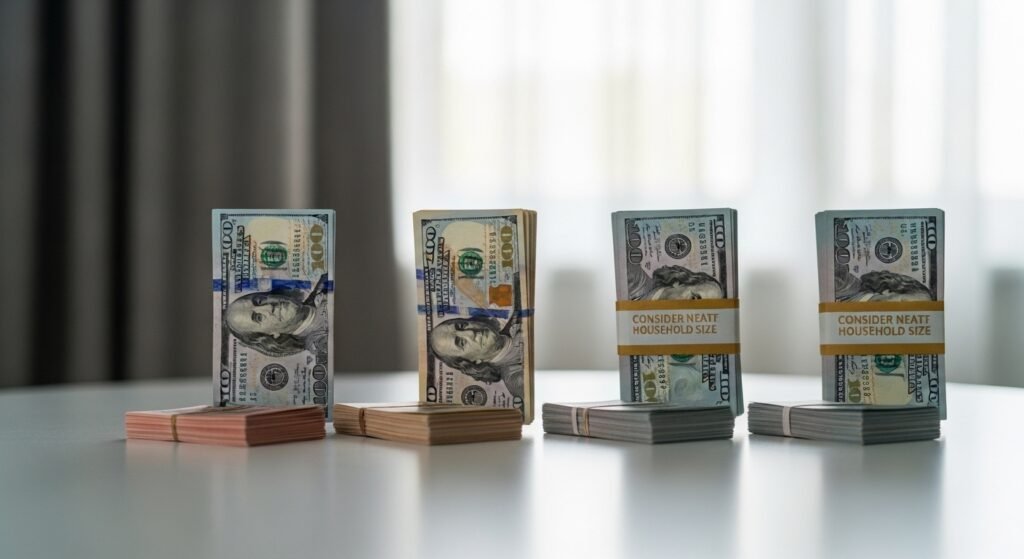
The ideal amount of cash often varies depending on household size. Families with several members may prefer slightly more cash available for daily needs, while smaller households often manage comfortably with a modest amount.
Think About Local Payment Habits
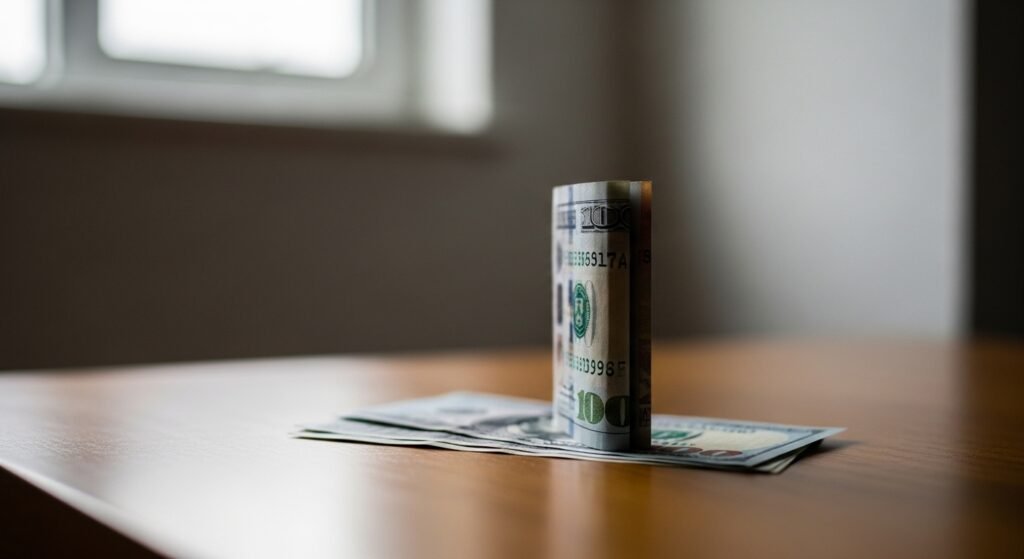
Many small shops and street vendors, local services still need to do their business operations through cash payments. People need to maintain an appropriate cash balance at home which enables them to handle their daily shopping activities without needing to depend fully on electronic payment systems.
Prepare for Short Utility Interruptions
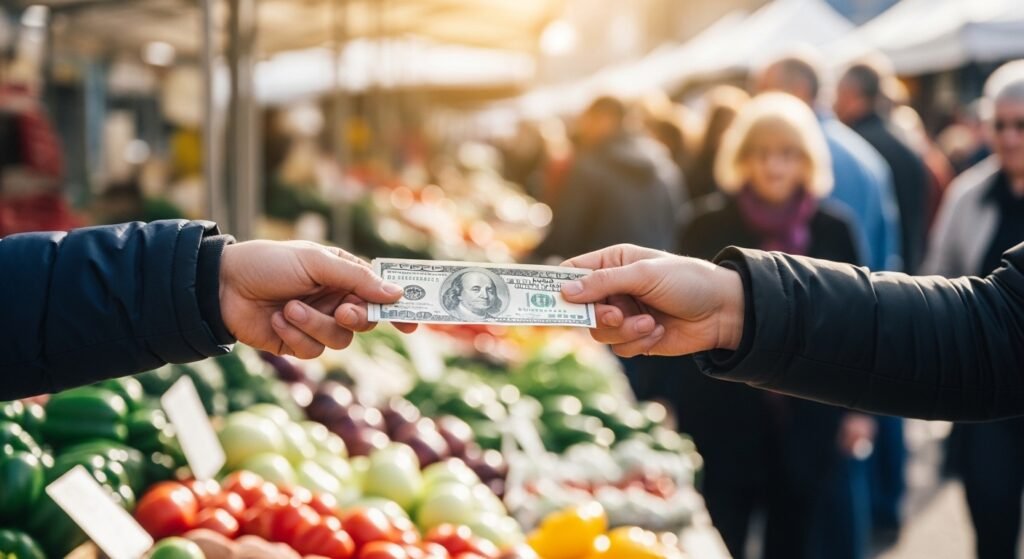
Digital payment systems experience disruptions when the internet or electricity supply does not function properly. Cash provides a straightforward solution which enables households to make fast purchases and payments without creating additional tension.
Keep Cash in Smaller Notes
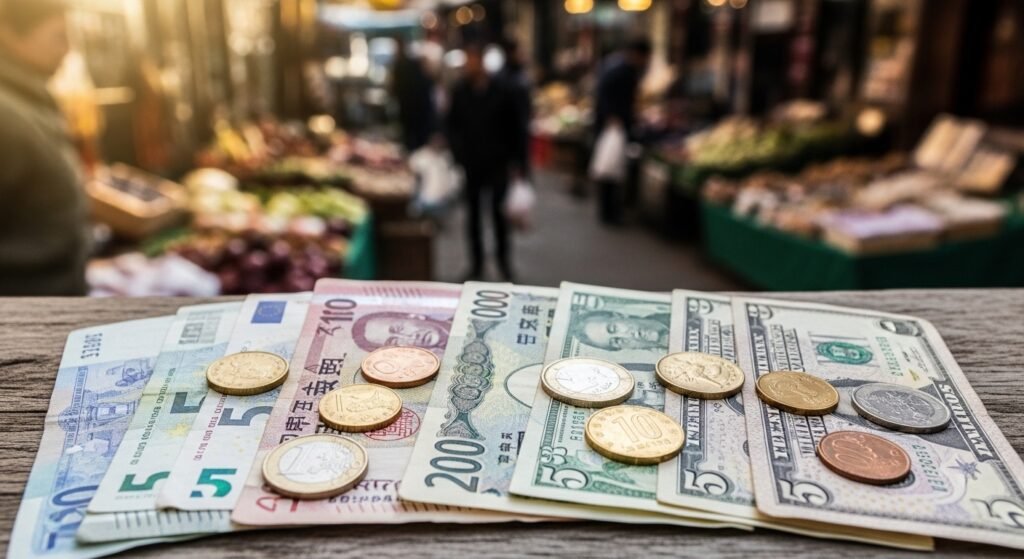
Experts often highlight the usefulness of smaller denominations. People use manageable note amounts to handle their daily shopping and create exact change which helps them to pay for local transport and make purchases at nearby shops.
Store It in a Safe Place
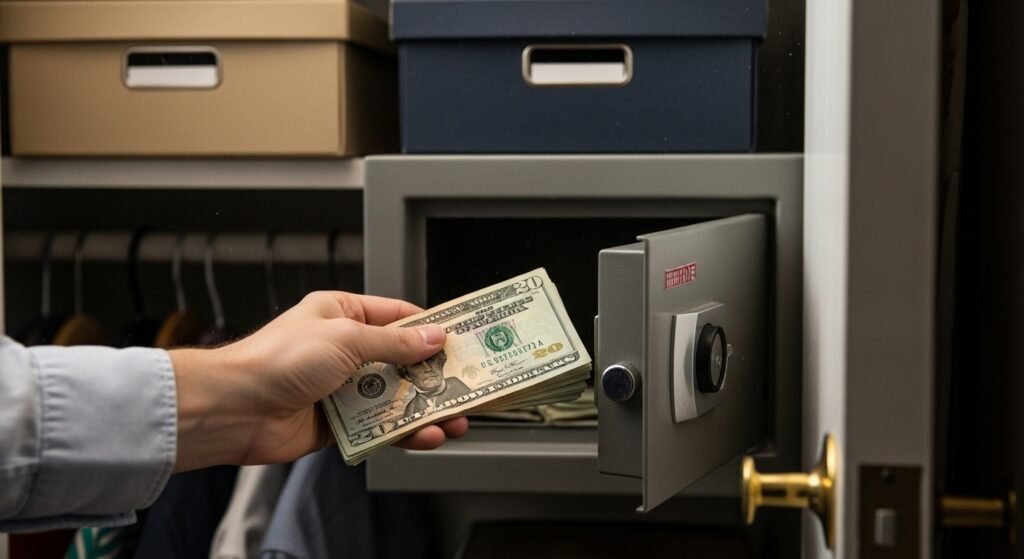
Financial planners often recommend choosing a discreet and secure place at home for storing cash. People who maintain organized storage systems experience financial security because their cash becomes easily accessible, whenever they require funds.
Avoid Storing Large Sums
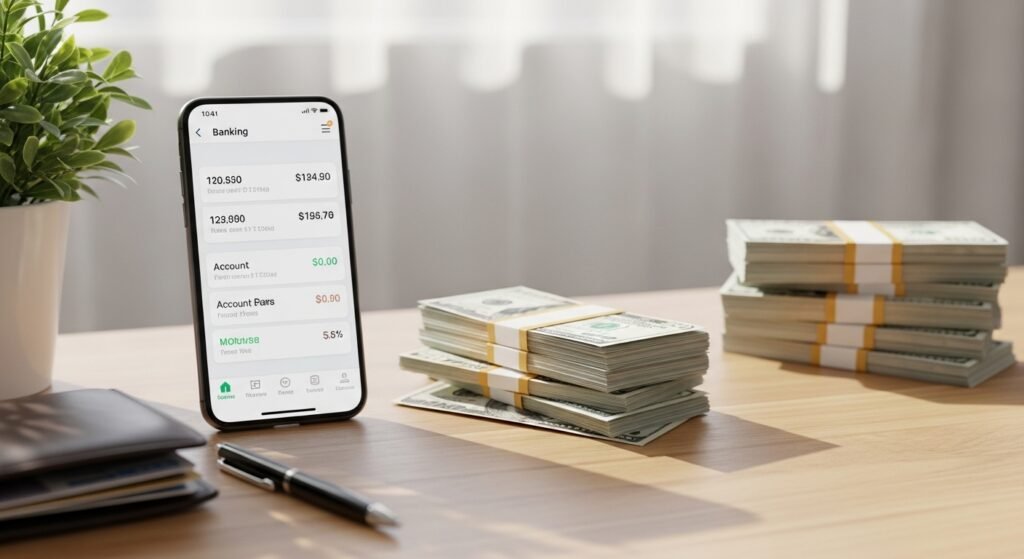
People do not need to store massive amounts of cash at their homes, because these funds do not serve basic daily requirements. People need to keep practical amounts of cash, while they should use bank accounts for their extended savings requirements.
Review the Amount Occasionally
People’s financial behaviors undergo transformations as their spending tendencies change throughout time. Experts recommend that people should assess their home cash reserves every three months, to verify if they still meet their present requirements.
Balance Cash With Digital Payments
Present-day households combine digital payment methods, together with small quantities of cash. The solution enables people to easily manage their daily activities, because they can access multiple payment methods, which provide them with various choices.
