
The present circumstances show different outcomes for Generation Z graduates compared to their employment situation from previous years. The reports together with surveys demonstrate that young adults today experience higher unemployment rates than older age groups across multiple regions. Companies now recruit staff through new methods which emphasize evaluating candidates based on their actual abilities and professional background. The educational system and employment path choices of young people undergo transformation due to these developments.
Youth Unemployment Rates Stay Higher
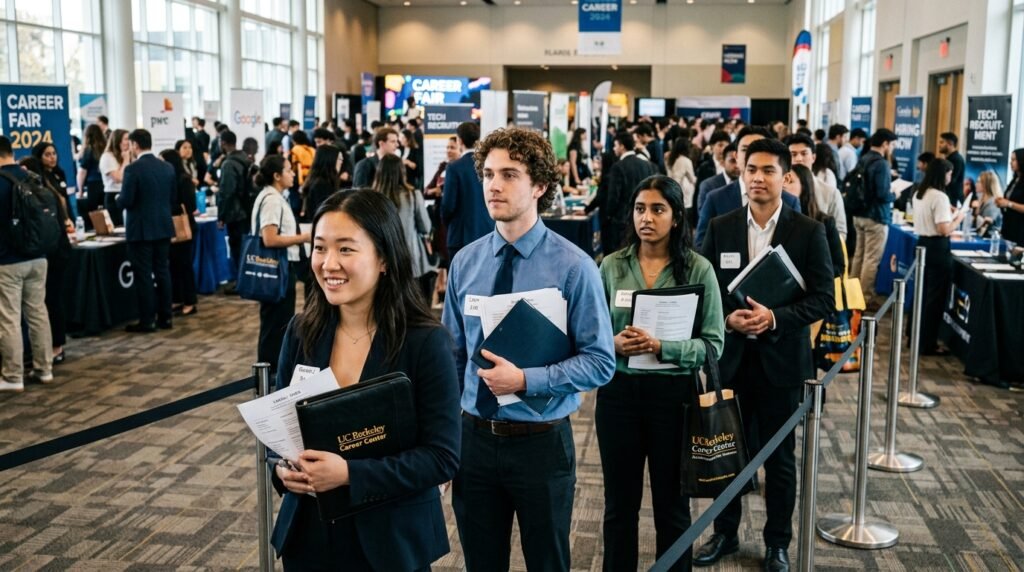
The United States youth unemployment rate which includes individuals from 16 to 24 years old usually stays above the national unemployment rate. The reported youth unemployment rate stands between 8 and 10 percent although the national unemployment rate remains lower which creates a work barrier for young people.
Underemployment Is Also Rising

Many graduates work in jobs that do not require a degree. Studies indicate that more than 40% of graduates begin their first job at a level below their educational qualifications.
Concerns About The Skills Gap

Employers frequently report that job applicants lack the essential skills needed for employment. Survey results indicate that most hiring managers value practical experience and skills more than they value degree qualifications.
Increase in Contract and Gig Work

Young professionals increasingly enter the workforce through freelance and gig employment. Reports indicate that an increasing number of Gen Z workers choose flexible work arrangements instead of traditional full-time employment.
Technology Is Changing Hiring Needs

Job requirements undergo transformation through the introduction of automation and artificial intelligence technologies. The development of entry-level positions leads to changes which determine the number of positions available for newly graduated students.
Rising Competition for Entry-Level Jobs

The job market experiences an influx of graduates who enter the workforce every year. The result creates higher competition among applicants for entry-level positions which results in challenges for some candidates who want to find work.
Internships and Experience Matter More

Many companies now expect prior experience, even for junior roles. The hiring process requires candidates to complete both internships and practical projects.
Student Debt Adds Pressure

In the U.S., student loan debt remains high because borrowers have average debt that exceeds $30,000. The search for permanent employment becomes more difficult because of this financial obligation.
Shift Toward Skill-Based Hiring

Companies have shifted their hiring practices to focus on evaluating candidates through their skills instead of their educational credentials. Employers now use certifications and online courses together with practical experience to evaluate job candidates.
Career Paths Are Becoming Flexible

Gen Z workers often explore different career paths instead of sticking to one field. The flexible method shows how job markets change together with professional aspirations.
