
An old-fashioned bank teller who has years of experience watching daily financial behavior usually notices a certain trend that silently influences long term stability and calmness. Most individuals hold massive sums of money in the checking account without even a clue of the latent dangers and the prospects they are missing, and this is why this useful lesson on having a smaller balance will help reform the way people handle, secure, and expand their finances in a smarter way.
When it is convenient to check

A checking account is intended to be used in daily operations, and therefore, it is very convenient to access and spend money within minutes without any problems or postponements. This is one of the conveniences that makes people use it as a major store of money instead of an instrument of short-term use.
Having a clear understanding of the Account Purpose
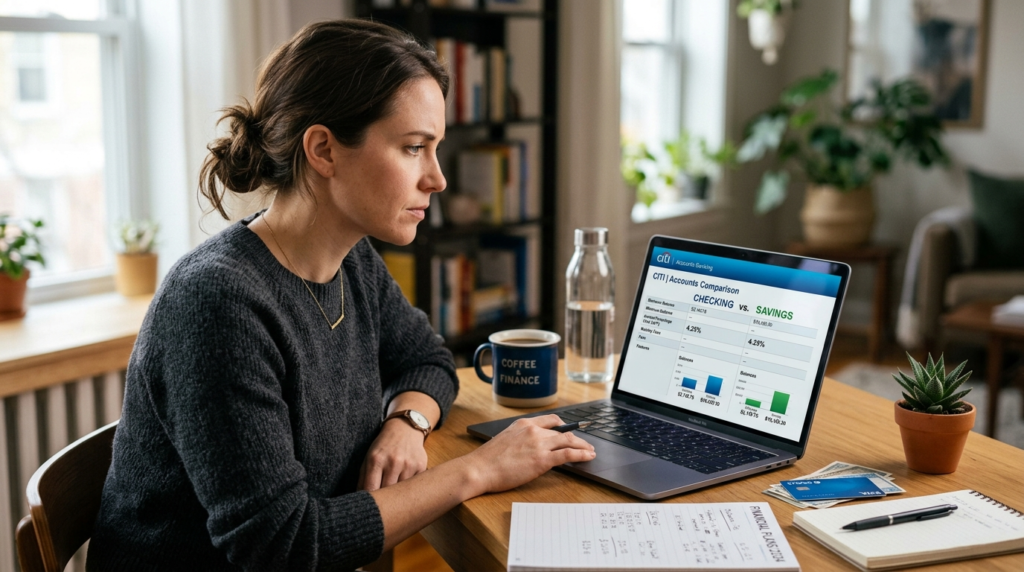
Checking accounts are designed to be liquid and are not a form of saving money to grow wealth or accumulate interest, and thus, are not usually very lucrative in relation to other financial products. Having too much money there means that the money does not get the opportunity to work in your favor.
Threat Of Unrecognized Expenditure

A big balance that can be easily accessed may help to spend it up quickly without realizing it when small amounts become large. This is something that is not always noticed until the balance starts to diminish at an accelerated rate.
Minimal Insurance against loss

Although security features are provided by banks, the checking accounts remain more prone to fraud or unauthorized transactions since they are used regularly. Having just the required money in such accounts minimizes the possible effects of unforeseen problems.
Lost Growth Opportunities
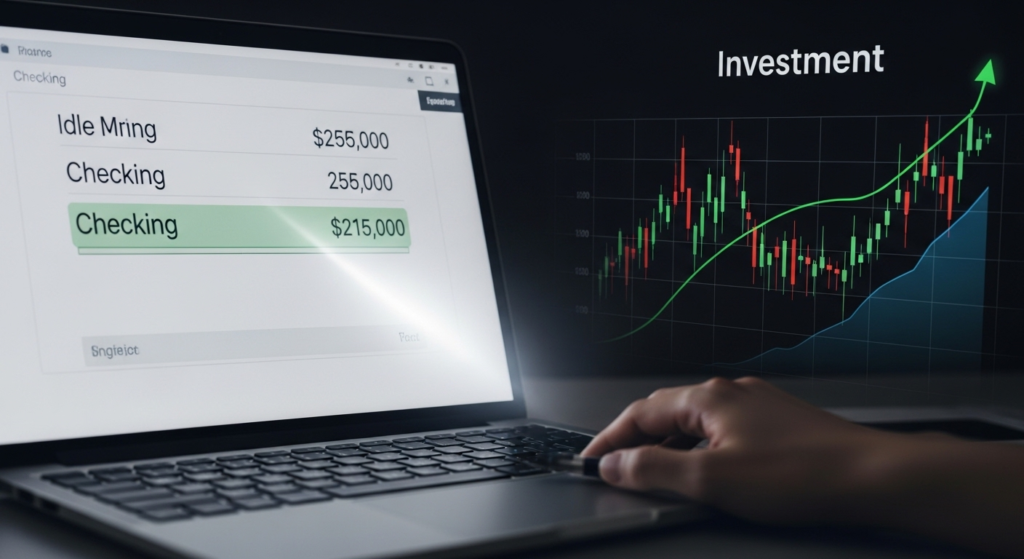
Money lying in a checking account is not earning interest or growing investments, and this may deteriorate financial development in the long run. It is better to transfer surplus into savings or other instruments and achieve better long-term results.
Trade Off between Liquidity and Security
The practical solution would be to keep sufficient money that would cover monthly bills and move the excess to safer or better-paying alternatives. This balance is the one that allows it to be accessible without compromising financial efficiency.
Preparing a Simple Money Recipe
You should consider your checking account as a simple financial recipe, and each ingredient must have its purpose and proportion. Begin with an initial deposit of a minimum amount to cover the basic monthly costs, and then include a small amount as a buffer in the event of unexpected expenses, and the rest should be directed to savings or investment accounts to get maximum value.
Method of step-by-step money
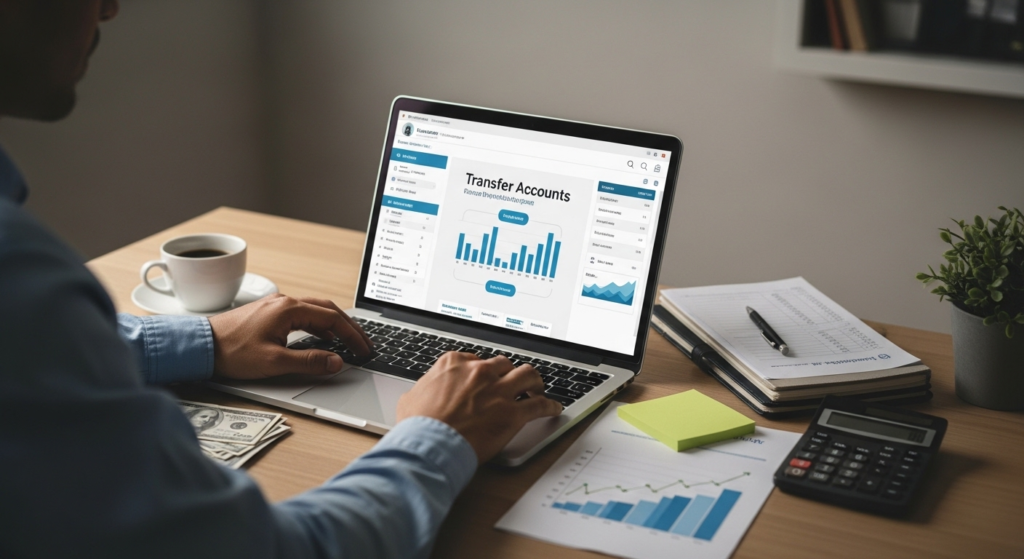
The first thing to do is to identify your average monthly expenditure and then maintain it and a small safety net in your checking account and regularly move additional amounts to other places. This approach is a way of establishing discipline and making sure that your money is working towards the achievement of your goals.
Creating Wiser Financial Behaviors

In the long run, having a smaller balance will keep one more careful in their spending and financially aware, so to make more deliberate choices. Such habits will eventually contribute towards being financially stable and having a better idea on how to manage money.
