
Living paycheck to paycheck can feel like running on a treadmill—you’re working hard but not moving forward. The problem occurs because people spend money without understanding their income. The good news is that small, consistent changes can break the cycle over time. There are ten practical steps which you can use to regain your financial control while achieving long-term financial stability.
Track Every Rupee (or Dollar) You Spend

Most people underestimate how much they spend. Studies suggest up to 20–30% of spending goes unnoticed. You can discover your spending problems by tracking your expenses during one month.
Build a Small Emergency Fund First
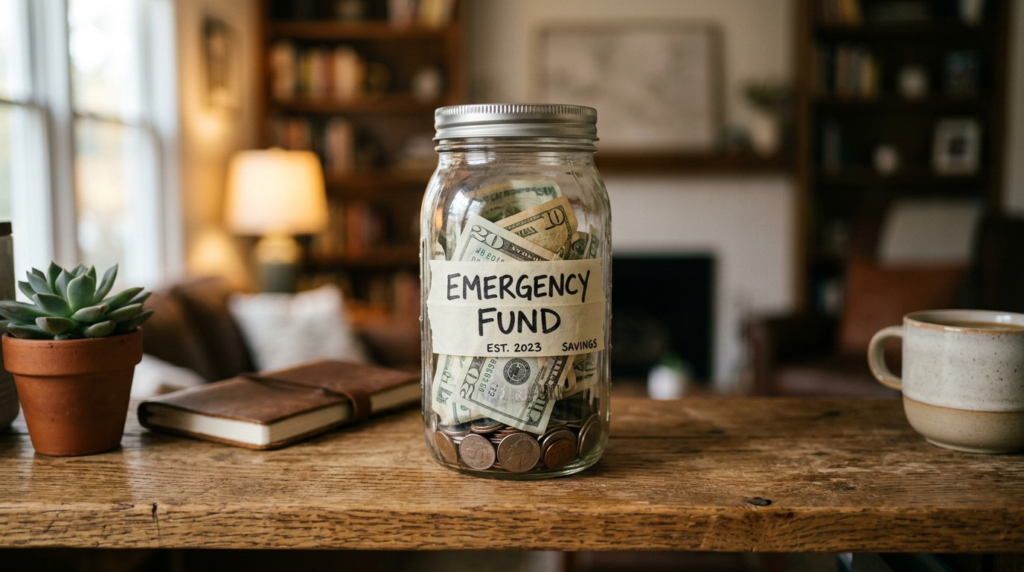
It would be a good idea to save a small amount of money in order to build a substantial emergency fund. Start with a goal of $500–$1,000. Even a small buffer prevents you from relying on credit or loans when unexpected expenses arise.
Cut High-Interest Debt Aggressively

Debt keeps you stuck through credit cards which charge 18 to 30 percent interest. The most effective debt reduction strategy requires you to concentrate on paying off your high-interest debts first.
Increase Income

The cycle requires income increases to achieve successful termination. A side hustle freelancing or small raise can make a significant difference when combined with better money management.
Automate Savings
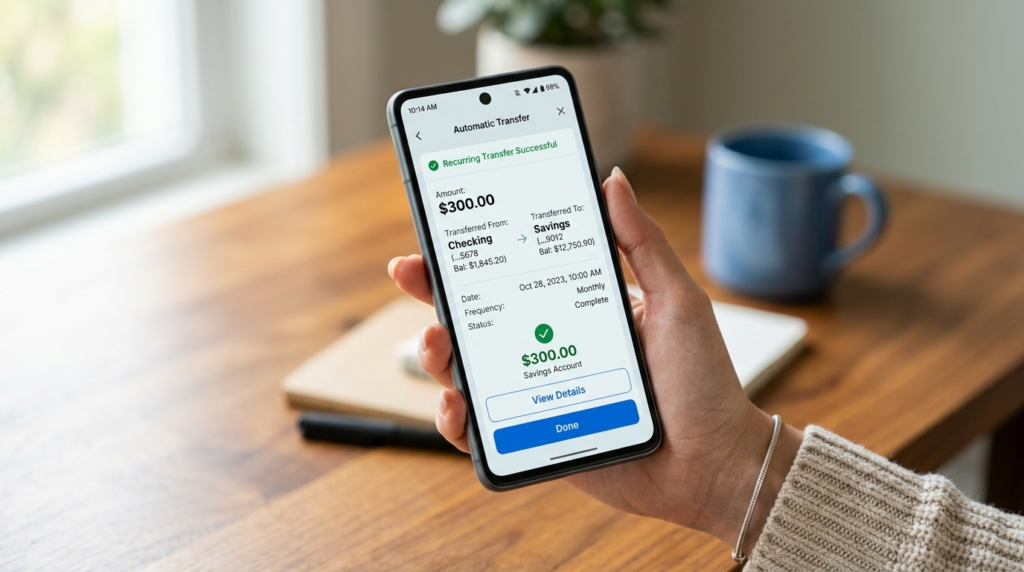
You should create an auto-transfer system which moves your salary into savings accounts immediately after payday. You can achieve financial discipline through 10 percent savings which will create a financial buffer over time.
Reduce Fixed Expenses

Recurring expenses create major savings opportunities through rent and subscription and EMI reductions. You can achieve significant income increases through negotiations and downsizing.
Avoid Lifestyle Inflation

People tend to spend more money when their income levels rise. People should maintain their current spending habits and use their additional earnings to save money or invest it.
Plan Purchases in Advance

People struggle with financial progress because they make unplanned purchases. People who wait 24 to 48 hours before making nonessential purchases spend less money on things they do not need.
Focus on Long-Term Financial Habits

People need to develop their financial behavior through continuous practice instead of relying on sudden transformations to escape their current situation. Financial security develops through the process of making gradual advancements.
Use the 50/30/20 Rule
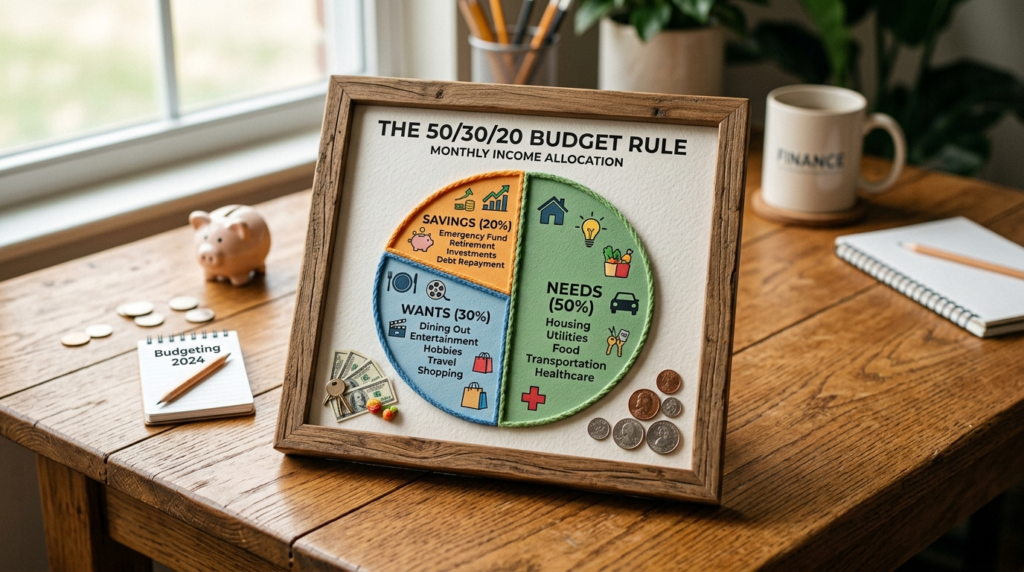
The 50/30/20 Rule establishes a budgeting system which helps people manage their money by dividing their after-tax income into three spending categories: 50% needs, 30% wants and 20% savings and debt repayment.
