
The process of getting out of debt relies on systematic methods which require ongoing effort rather than relying on fortunate circumstances. People remain indebted because they need to develop effective financial systems to control their spending and pay off debt rather than their income level. The right method enables people to pay off substantial debts within a shorter period than they initially thought possible.
Know Exactly What You Owe
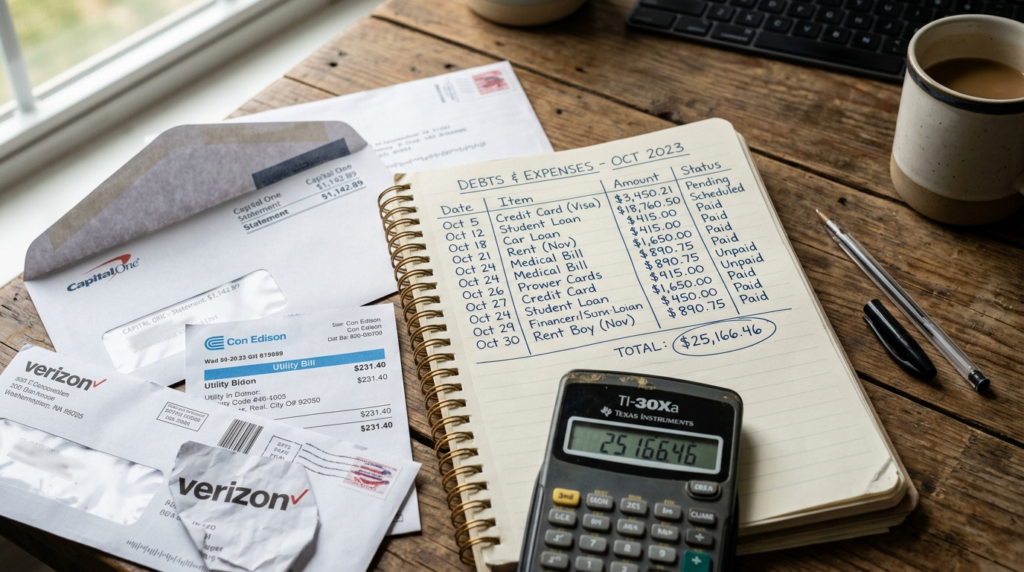
Begin the process by creating a list which includes all your debts from credit cards to personal loans and EMIs and informal borrowings. The document should contain details about the interest rate and minimum payment and due date of each loan. Many people discover their actual debt is 10–20% higher than they assumed. The process of achieving debt clarity enables you to establish a specific repayment path instead of making random guesses.
Prioritize High-Interest Debt First

High-interest debt, especially credit cards at 18–30% annually grows quickly and keeps you trapped. The method enables debt repayment through initial payments of high interest debt which result in decreased total interest expenses. For example, paying off one lakh credit card balance early can save tens of thousands in interest over time.
Always Pay More Than the Minimum

The process of making minimum payments leads to repayment periods which extend across multiple years and sometimes reach into the next decades. The process of making monthly payments will result in significant time savings and interest cost reductions when you increase your payment amount by 10 to 20 percent.
Stop Taking New Debt

Continuous movement in a backward direction will prevent you from making any progress. During your debt repayment period, you should not use credit cards to purchase any non-essential items. The system operates as a closed loop which entirely dedicates its energy to eliminating current debts.
Create a Simple but Strict Budget
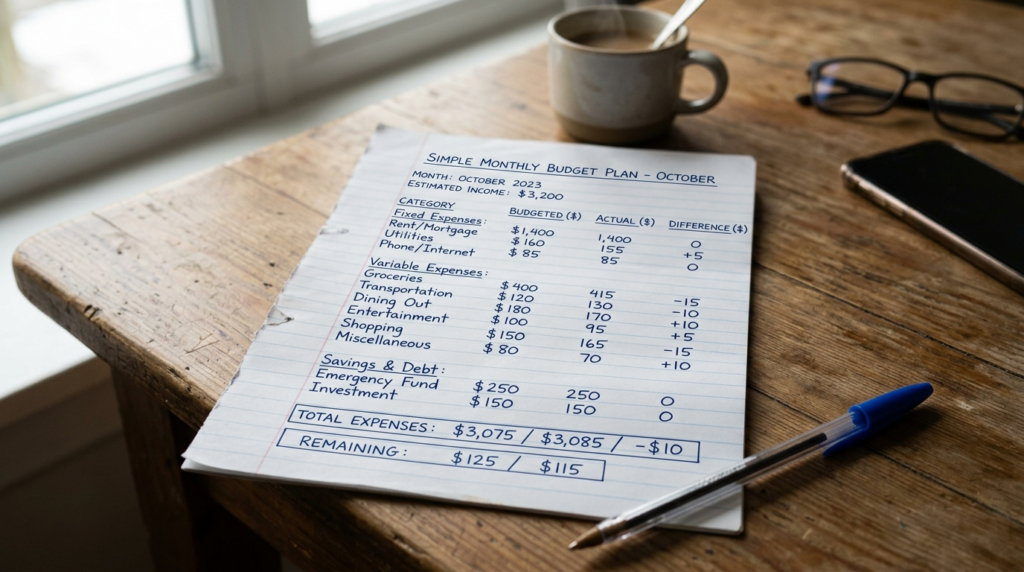
A budget exists to help people control their finances rather than restrict their spending. The process requires you to identify all fixed expenses which include rent and bills and all variable expenses which include food and entertainment. The repayment process becomes faster when you cut between $200 and $500 for each month and use the savings for debt repayment.
Use the Snowball or Avalanche Method
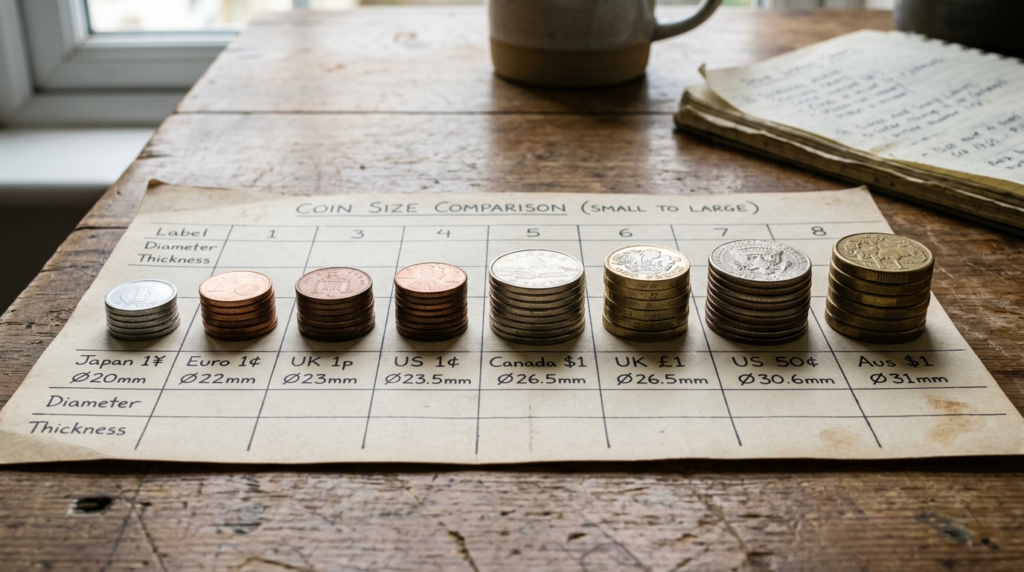
Select a strategy which matches your personal characteristics between snowball method (pay smallest debts first for quick wins and motivation) or avalanche method (pay highest interest first for maximum savings). People who follow structured methods are far more likely to become debt-free.
Increase Your Income

You can increase your earnings without any limits when you maintain your current expenses. Your debt repayment period will become shorter with every month that you earn between $500 and $1000 through freelancing work or part-time employment or by selling your unused items.
Automate Payments and Stay Consistent
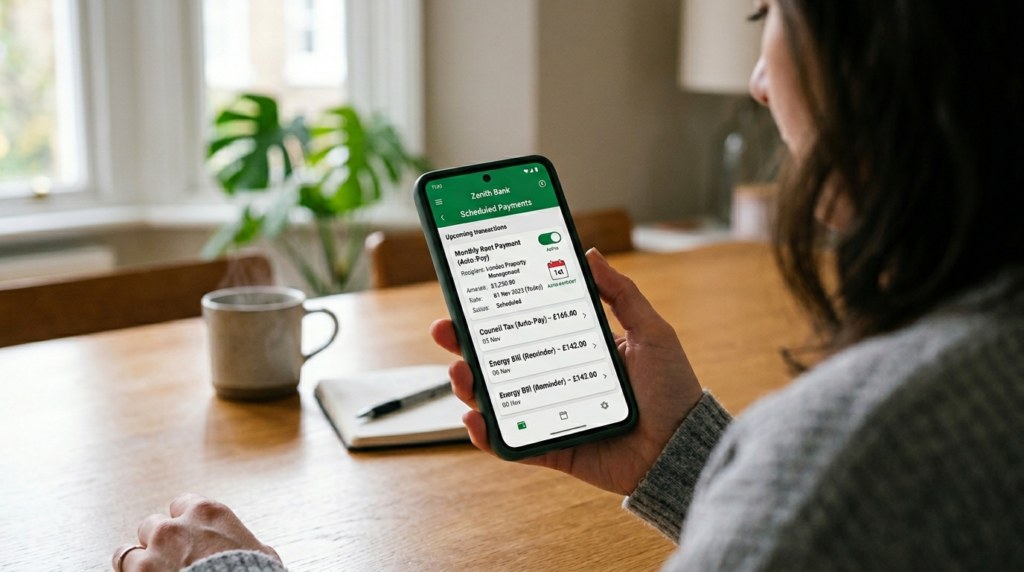
People who pay their bills after the due date must pay additional fees and interest charges. Payment automation creates consistent payment patterns which protect your credit rating. Debt repayment needs regular payments more than big payment amounts to succeed.
Cut Unnecessary Spending

People tend to increase their spending when their income grows which results in their financial stagnation. People should wait to improve their living standards until they finish paying their debts. The current situation requires you to prioritize needs above all other things.
Track Progress and Celebrate Milestones

People who need to make payments during their debt repayment period should use progress tracking systems to monitor their achievements. The decreasing balance creates a driving force to work harder. The process of paying off a single debt creates a positive effect which helps people pay their remaining debts.
