
Tipping with a credit card feels simple you add an amount, sign the receipt, and walk away. But behind the scenes, the process is more complicated than most people realize. Your tip reaches the worker through various paths which include processing delays and fees and taxation. The way tipping operates should be understood by you because it helps you make better tipping decisions.
The Tip Isn’t Processed Instantly

The complete amount becomes official after you include a tip to your card. The business first processes the base charge, and the tip is added later when the transaction is settled, which can take a day or more.
Business Receives the Full Payment First

Your entire payment including the tip goes to the business, not directly to the employee. The employer then distributes tips based on their internal system.
Processing Fees May Be Deducted

Credit card processing fees typically range from 2 to 3 percent according to credit card companies. Some businesses may withhold a part of this fee from the tip before passing it to employees according to local laws.
Tips May Be Shared Among Staff

Businesses implement tip pooling systems because they distribute tips to servers and kitchen staff and other employees. This means your tip may not go entirely to one person.
Payment to Staff Can Be Delayed

Card tips require processing which leads to delays for employees who want their tips compared to cash tips which they receive instantly. Employees experience a waiting period that lasts from days to weeks before they can access their funds.
Tips Are Fully Taxed

Credit card tips automatically get recorded which makes them taxable income. Employees end up bringing home less money because their tips remain unreported according to cash tips they received.
Errors or Adjustments Can Happen

If there’s a mistake in entering the tip amount or processing the transaction, it may be adjusted later. This creates confusion for both customers and staff members.
Some Businesses Guarantee Minimum Wages

Employers in tipping workplaces can use tips to fulfill their obligation to pay workers minimum wage. This practice determines the total amount of additional money that workers will receive in their pay.
Cash Flow for Workers Is Different

Workers who receive tips through credit cards experience a delay in their cash flow because they have to wait for tips instead of receiving immediate cash tips at shift end.
Digital Tipping Is Increasing
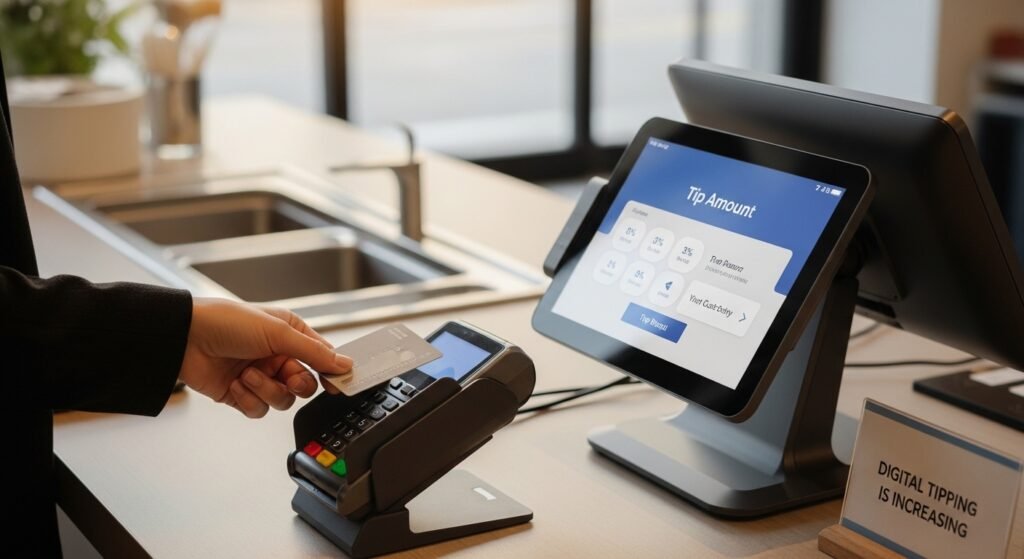
The number of businesses that implement cashless systems now exceeds previous levels, which leads to increased credit card tipping practices. Workers receive their tips through a process that becomes different because of its convenient aspects.
