
Social Security benefits in the United States differ across different locations which many retirees mistakenly believe will stay the same. Social Security benefits serve as your federal income payment, yet certain states impose taxes on this income which diminishes your actual earnings. The knowledge of these locations and their operational methods enables you to develop superior financial strategies that protect your retirement funds from abrupt reductions.
Colorado

The state of Colorado permits taxpayers to deduct Social Security benefits based on their total earnings from all sources. The existing deductions enable higher-income retirees to claim benefits, yet they will still face state taxation on their Social Security payments.
Connecticut
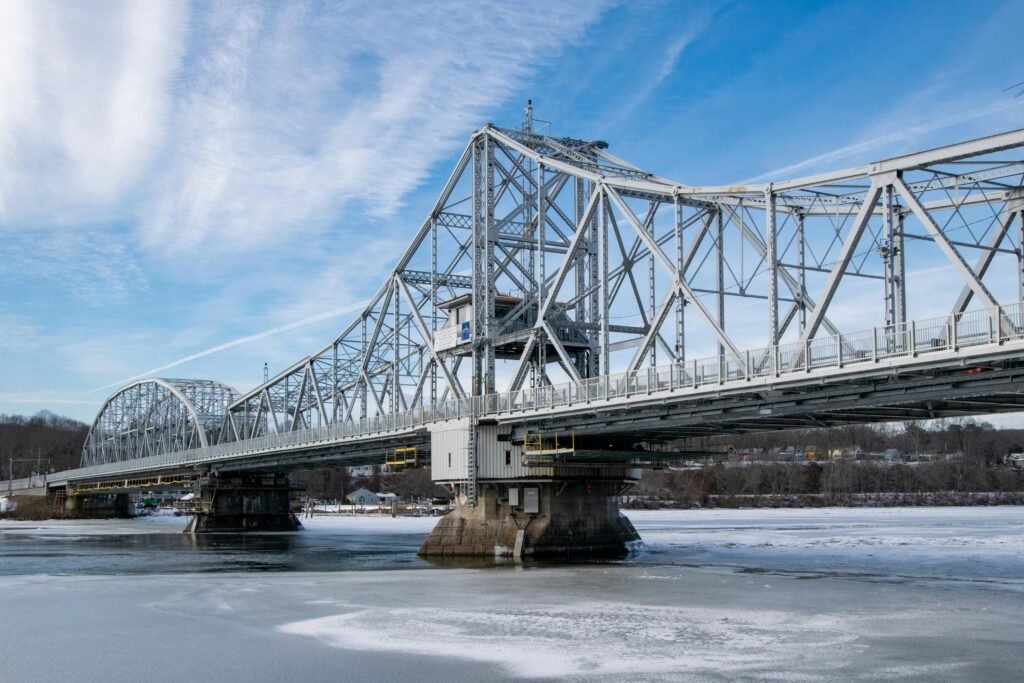
Connecticut establishes Social Security benefit taxation for individuals who exceed designated income limits. Lower-income retirees may be exempt, but those earning more can see a noticeable reduction.
Kansas

The state of Kansas establishes Social Security benefit taxation which applies when an individual’s earnings exceed designated thresholds. The income threshold determines tax-free status for those who earn below it while the remaining individuals will face taxation on their benefits.
Minnesota

Minnesota charges taxes on Social Security benefits, yet recent tax law changes provide special benefits to certain taxpayers who qualify. State taxation of benefits continues to affect numerous retirees.
Missouri

The state of Missouri provides tax relief through partial exemptions, yet only a fraction of retirees meet the eligibility requirements. Social Security benefit taxation applies to certain individuals based on their earnings.
Montana

The state of Montana follows federal taxation guidelines to impose Social Security taxes, which require taxpayers to pay taxes based on their earnings. For many people, 85% of their benefits will be subject to taxation when their combined income exceeds $34,000 for single filers and $44,000 for married couples filing jointly.
Nebraska

The state of Nebraska has been decreasing Social Security taxes for several years, yet some retirees still face tax obligations which depend on their earnings and the specific phase-out regulations.
New Mexico
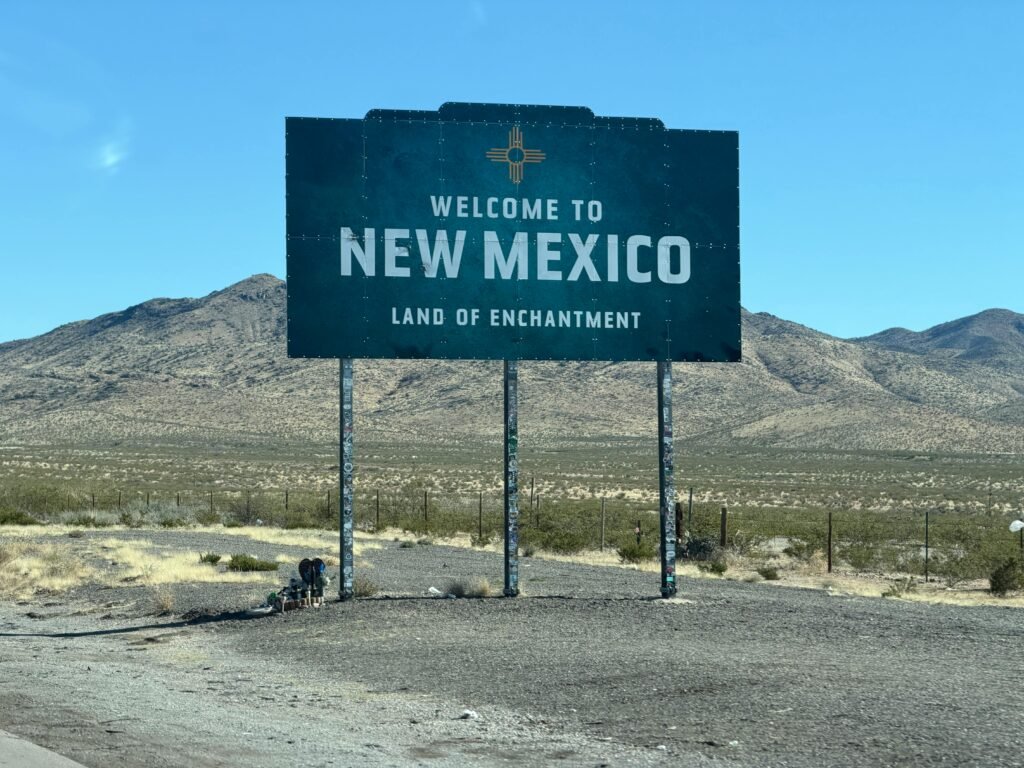
The state of New Mexico imposes taxes on Social Security benefits but provides tax exemptions for specific income brackets. The tax affects individuals who earn higher incomes.
Rhode Island

Rhode Island taxes benefits for retirees who earn above specified income levels, but the state provides tax exemptions to other retirees. Your financial situation determines the impact of this service.
Here’s What More Important

Your Social Security benefit amount not only depends on your earnings but also depends on your residential location. State taxes can quietly reduce your income especially if you exceed specific income thresholds.
