
Many think financial stress is due to high costs, but it can actually start with small daily things that snowball over time. Even little purchases, and the tiny routine decisions around them, can end up taking a lot more money than you’d guess, sometimes thousands in a year, and nobody notices in the moment. Because these habits feel normal and convenient, they often go unnoticed until someone carefully reviews their spending. If you spot just a few of these patterns, you can boost savings and build steadier long-term financial strength.
Buying Coffee and Drinks Every Day
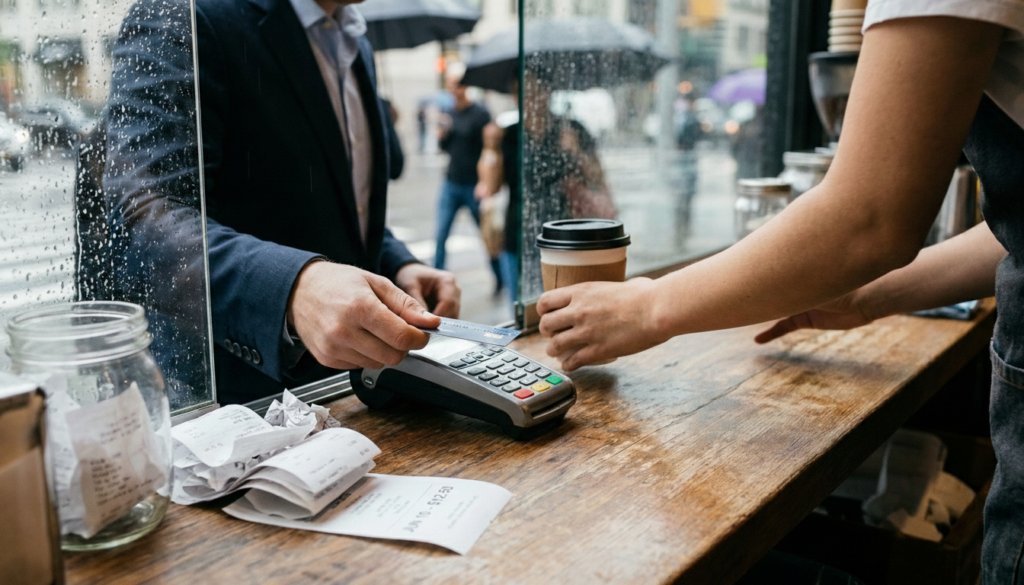
Daily coffee runs, bottled drinks, and convenience store purchases might look small at first, but when you stack them up, it adds up really fast over time. A couple of dollars here and there, kind of silently, can turn into hundreds and even thousands in a single year.
Ordering Food Too Often

Food delivery fees, restaurant meals, and takeout orders are, in practice, a lot more expensive than cooking at home consistently. When you order often, it kind of nudges you into little impulse buys on the side, like extras, tips, and service charges.
Ignoring Small Subscriptions

Streaming services, apps, memberships, cloud storage plans, and other recurring subscriptions often continue charging long after people stop actively using them. Multiple small payments can become surprisingly expensive over time.
Carrying Credit Card Balances
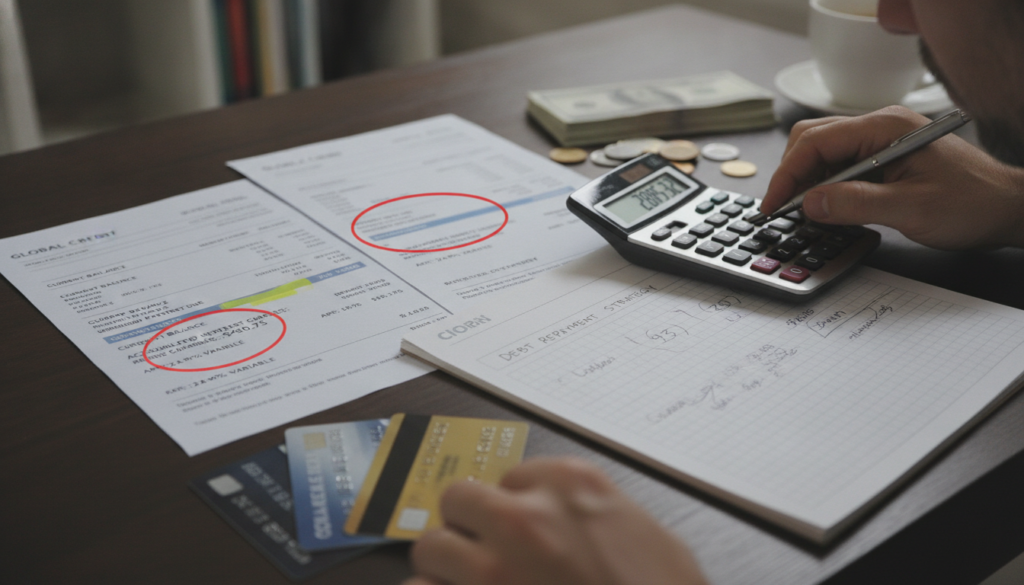
Paying only minimum balances on high-interest credit cards can dramatically increase the total cost of purchases. Interest charges quietly grow month after month and reduce the money available for savings or investing.
Impulse Online Shopping

With one-click purchases and constant online advertising, unplanned spending is kinda easier than before. People often snag things because of boredom or simple convenience, and sometimes it’s more like a passing thrill, not so much a real need.
Wasting Food at Home

Unused groceries, expired ingredients, and these kinds of unnecessary shopping trips often add up to real food waste. When you throw away food that you didn’t use, it is kind of like throwing away money that was already earned.
Driving Inefficiently

Frequent short trips, unnecessary driving, poor vehicle maintenance, and aggressive driving habits can lead to higher fuel costs, larger repair bills, and overall transportation spending throughout the year.
Things to Consider

The goal here is awareness, not perfection. And yes, some daily habits genuinely help your quality of life, so maybe start with the spending that seems light but has little long-term value, the kind that quietly drains money you could save, invest, or use more knowingly.
