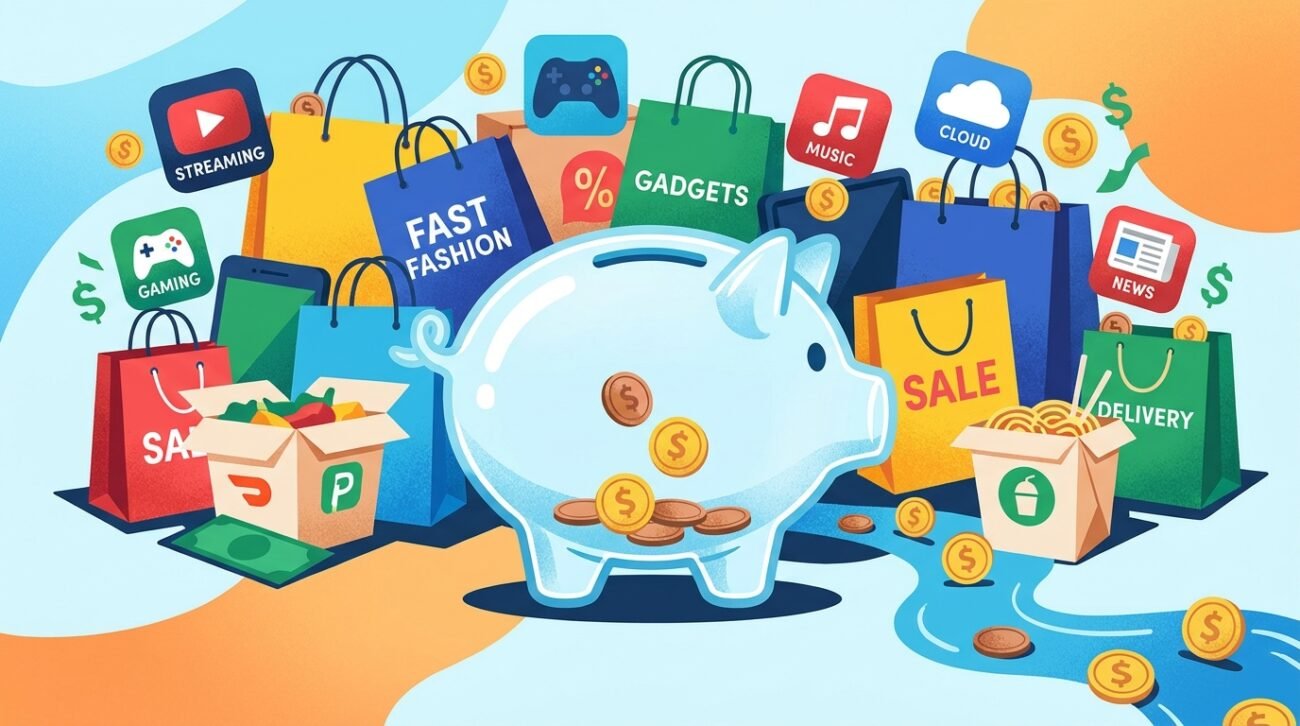
Many people desire to save more money, yet still feel trapped living paycheck to paycheck despite working diligently and earning a steady income. In many cases, the issue is not a single major error but rather a collection of small habits that quietly drain finances over time. Rising living costs, impulse spending, debt, and a lack of planning can all make saving difficult. The reassuring news is that small financial adjustments can gradually produce meaningful long-term results.
You Are Spending Without Tracking

Many people don’t realize how much they’re spending a month, simply because they don’t thoroughly look over their purchases. Every little purchase contributes to a big amount of money over time, such as food delivery, subscription, impulse buying, etc.
Lifestyle Inflation Keeps Growing

When someone earns more money, they tend to spend more money. If more cash is spent on new cars, nicer apartments, fancy gadgets, and outings, it can be hard to see the difference between more income and actual savings.
High-interest debt is slowing you down

Having high debt on their credit card or other high-interest loans can make it difficult to save. Interest payments cut down the cash needed for emergency savings, investing,g and long-term savings.
You Lack A Clear Savings Goal

Having no clear target to save money for makes it more difficult to do so. Making things happen in your finances gives you more incentive to make a difference, for example, when you have a goal of building an emergency fund, buying a home, traveling, or retiring comfortably.
You Are Relying On Leftover Money

A lot of people try to save the surplus money at the end of the month, but little or nothing is left. Transferring money from your paycheck to your savings account automatically can help make saving more consistent.
Small Subscriptions Add Up Quickly

While the streaming services, apps, memberships, and recurring online subscriptions may be cheap one by one, they can add up to be a big monthly expense over time.
You Are Not Preparing For Unexpected Costs

Repairs to vehicles, medical costs,s and emergencies can make people take money out of savings or resort to debt to cover these expenses. Even a small emergency fund can help minimize financial setbacks.
You’re Doing Impulse Purchases

Online shopping, social media advertising, and one-click purchases make impulse spending easier than ever. Many people buy things they don’t truly need simply because it’s convenient.
Your Income May Need To Grow

Saving money is important, but sometimes it’s better to raise money. There can be other income opportunities from side work, career promotion, freelancing, or skill enhancement.
You Are Expecting Instant Results

Saving money is, in most cases, a gradual process and not an overnight event. Small improvements, made consistently, over the long run, are more likely to lead to financial progress than extreme short-term budgeting efforts.
