
The presence of Gen Z employees results in new ideas and digital expertise and different approaches to professional tasks. However, managers face difficulties when they collaborate with their junior staff members. The problems which arise between team members involve difficulties in communication which need to be resolved and the misunderstanding of work requirements and the actual work performance of employees. The comprehension of these elements enables both managers and employees to establish effective teamwork while maintaining an impartial work environment.
Preference for Flexible Work Styles

Gen Z workers prefer to choose their working hours and work from home. The need for employees to work from the office creates operational challenges for managers who must find ways to meet this requirement while delivering team services throughout the day.
Communication Style Differences
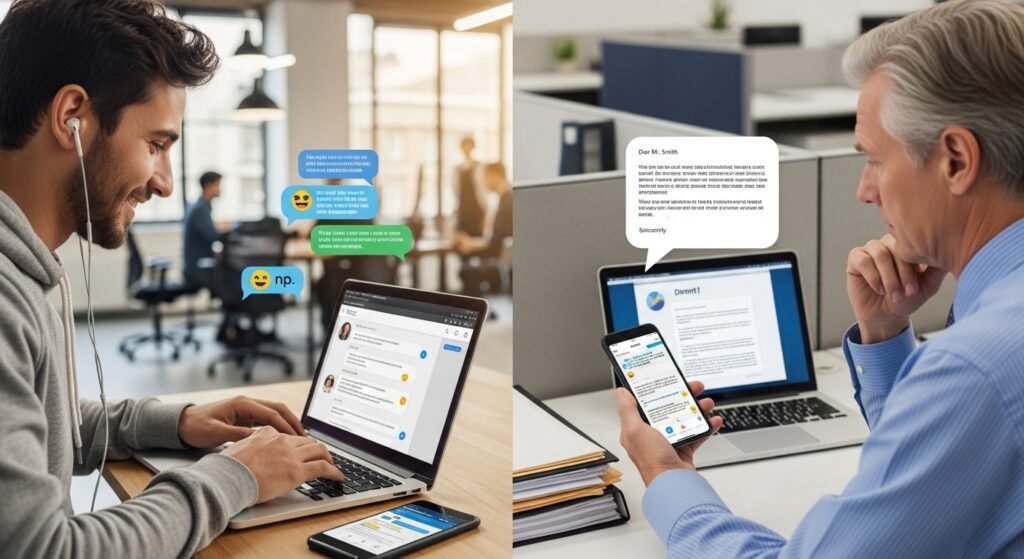
Gen Z workers prefer to use direct messaging platforms for their brief communication needs. Workers who formerly dealt with official communication guidelines must now develop abilities to manage quick communication methods which include informal language use.
Desire for Quick Growth

Young workers demonstrate a strong commitment to advancing their professional development. The pace at which young workers must reach their goals exceeds what they expected from typical career development timelines.
Focus on Work-Life Balance

Gen Z values their personal time and work-life harmony. Managers need to establish work-life balance because their employees face operational needs and deadline constraints which determine their time allocation.
Need for Regular Feedback
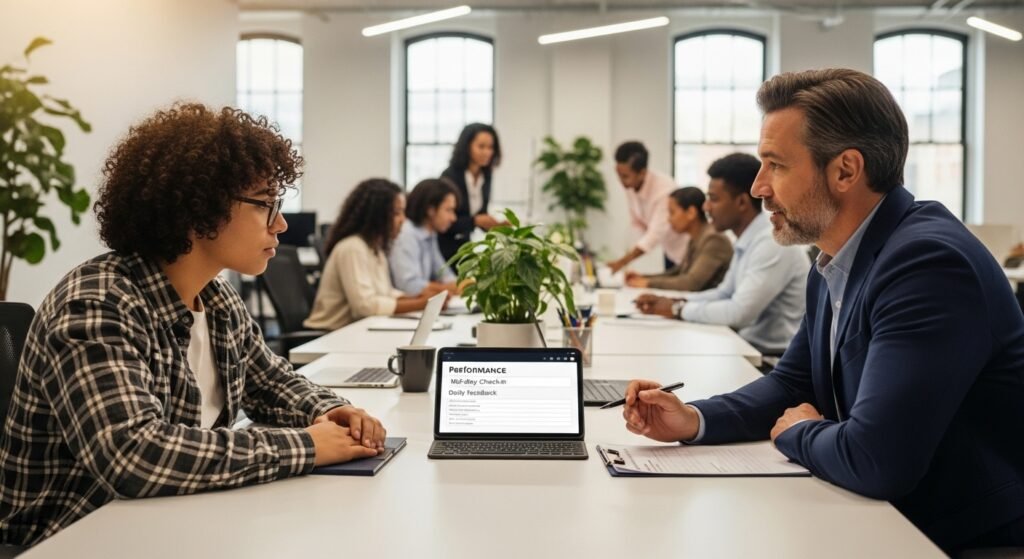
Gen Z workers want to get performance evaluations from their supervisors at regular intervals throughout their workday. The supervisors who manage staff members need to change their management style to increase the number of feedback sessions which occur between them and their staff.
Approach to Authority

Younger workers prefer to engage in open discussions with their supervisors. Managers observe that employees now interact with one another in an informal manner which has replaced the established workplace power structure.
Comfort With Job Changes

The workforce of Gen Z maintains their readiness to accept new job openings which they find appealing. Managers observe that workers tend to stay at their jobs for shorter periods which has become a trend since the past.
Digital-First Mindset
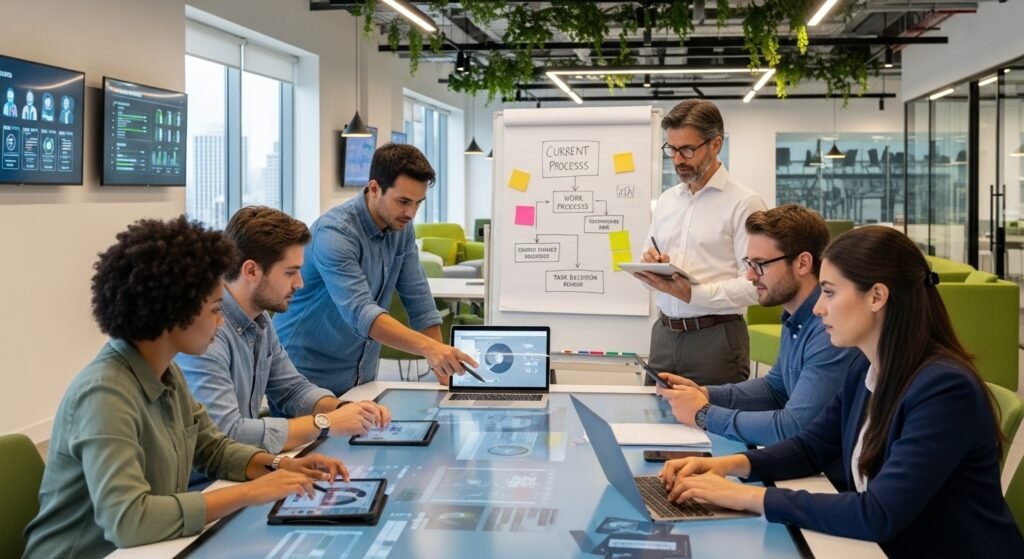
The members of Gen Z demonstrate digital tool and technological proficiency. The strength of the organization requires managers to maintain existing work processes while they execute their responsibilities.
Expectation of Meaningful Work

Many Gen Z employees prefer roles that feel meaningful and purposeful. Managers create connections between daily activities and overall business objectives to maintain employee interest.
Learning Style Preferences
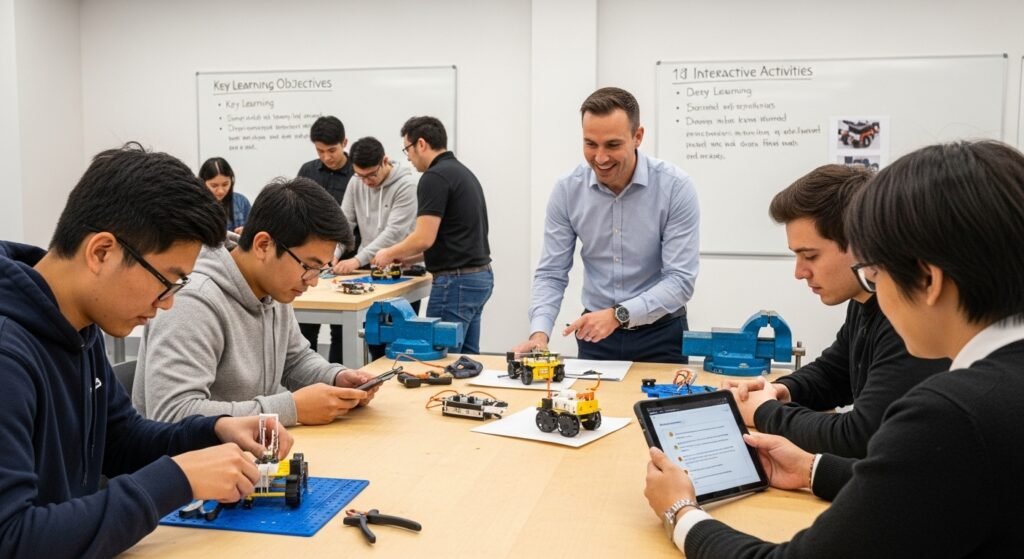
Gen Z students show a preference for learning through practical experiences and direct physical involvement. Managers use real-world examples and brief training sessions and interactive activities to develop their training programs.
Openness in Sharing Opinions

Younger employees often feel comfortable sharing ideas and feedback. The managers of the team control discussions to maintain their focus on productive outcomes which advance the team’s objectives.
