
Experimentation is becoming a hallmark of the contemporary startup, as founders are trying unusual concepts that break the time-tested business paradigms. Rather than treading old fashioned routes, most startups are re-inventing the value creation, delivery and monetization paths. Such experiments do not necessarily entail disruption at enormous scale, frequently they entail changes that are minor in scale and yet extensive in the way they transform industries with time. Start ups are seeking new opportunities and methods of operating more suitably and reaching customers more directly using technology, data and the evolving consumer expectations. Consequently, such experimental models are slowly defining the nature of successful businesses in the current changing economy.
Subscription Over Ownership
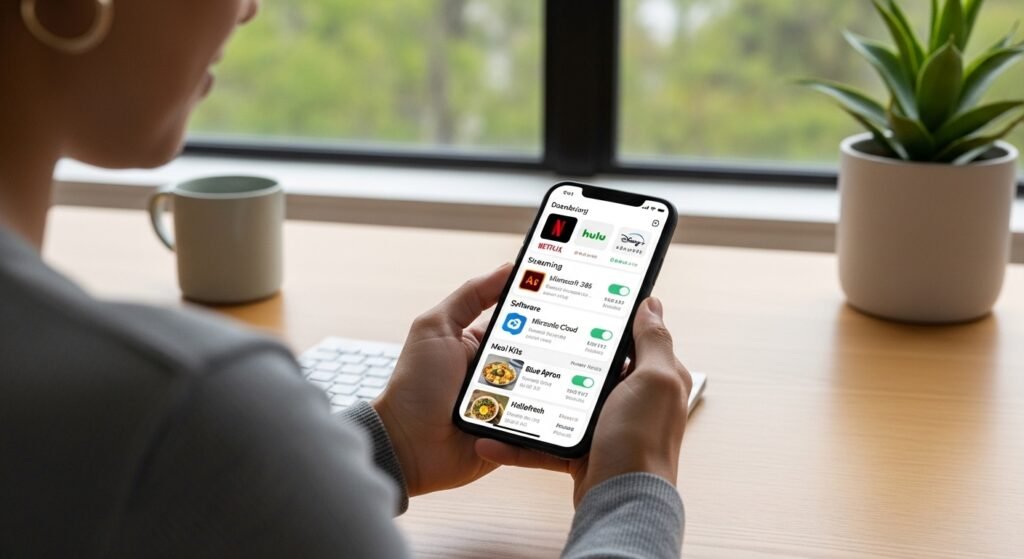
A large number of startups are abandoning the idea of making a purchase and providing a subscription-based access to goods and services. The model develops forecastable revenue streams and offers flexibility and convenience to customers.
Direct to Consumer (D2C) Strategies

Startups are circumventing the conventional retail outlets and selling to consumers via internet platforms. This strategy enables organizations to establish a better relationship and have a better control in branding and pricing.
Platform-Based Ecosystems
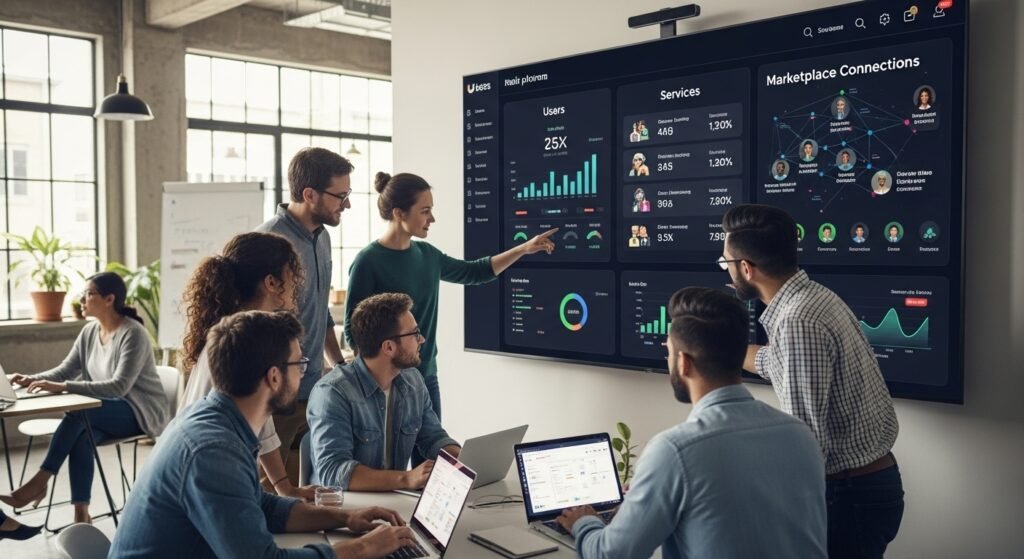
Instead of offering one specific product, there are startups that are developing platforms which can connect users, service providers and businesses in a common ecosystem which can be scaled.
Pay As You Go Models

Flexible pricing models have emerged whereby customers trust the company to charge them on the basis of usage. These models save on initial expenses and render services to a larger audience.
Community Driven Growth
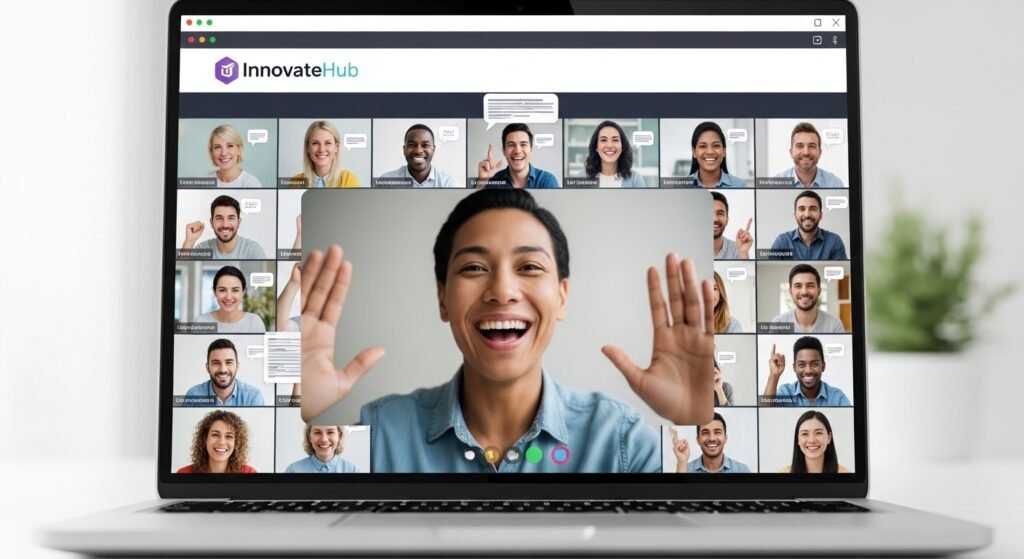
Rather than depending on intensive advertising, startups are using like-minded communities in building their products or services which make users brand promoters.
Remote First Business Structures

Most of the startups do not have physical offices, but they are using remote working as a way of saving money and accessing talent around the globe.
Micro-SaaS Innovations

Small and niche software companies have a niche problem with a simple solution, and in many cases they can become profitable in under-resource-rich situations.
Freemium Business Models

Startups are providing the simplest services at no charge and overseeing premium services that are priced, enabling one to draw huge numbers of users within a short time.
Data Driven Decision Making

The impact of information analytics and data analysis is critical to modern startups that form the basis of product development, marketing, and customer interaction.
Sustainability Focused Models

Companies are trying out greener business operations, moral supply chains, and the concept of the circular economy to fulfill the increasing demands of consumers towards responsible products.
