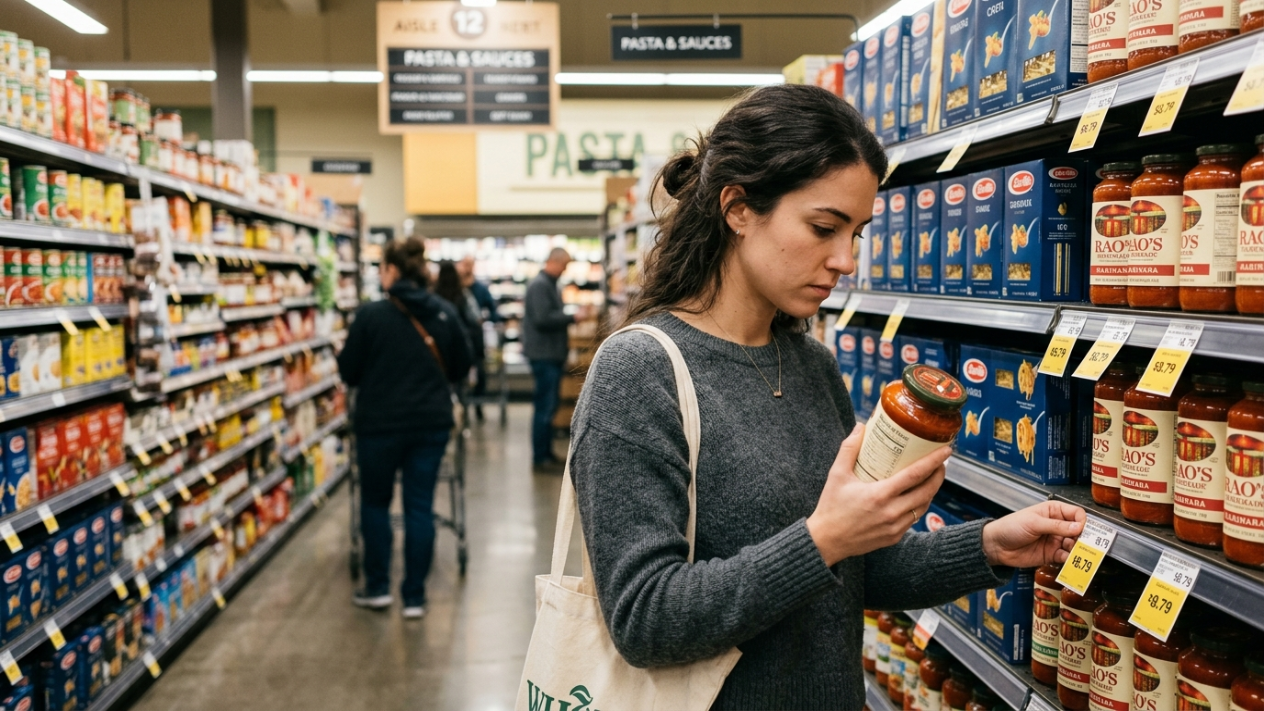
Yes, it is true that many Americans are struggling with high food price inflation as of early 2026. There has been a notable cumulative shift noticed in the price surge since 2020, according to a report from the Economic Research Service. Despite the overall inflation, food prices have continued to rise, particularly for key staples products, marking a significant pressure on household budgets. Here are the key details regarding the food price situation and tips to save on groceries bills.
Elevated Costs
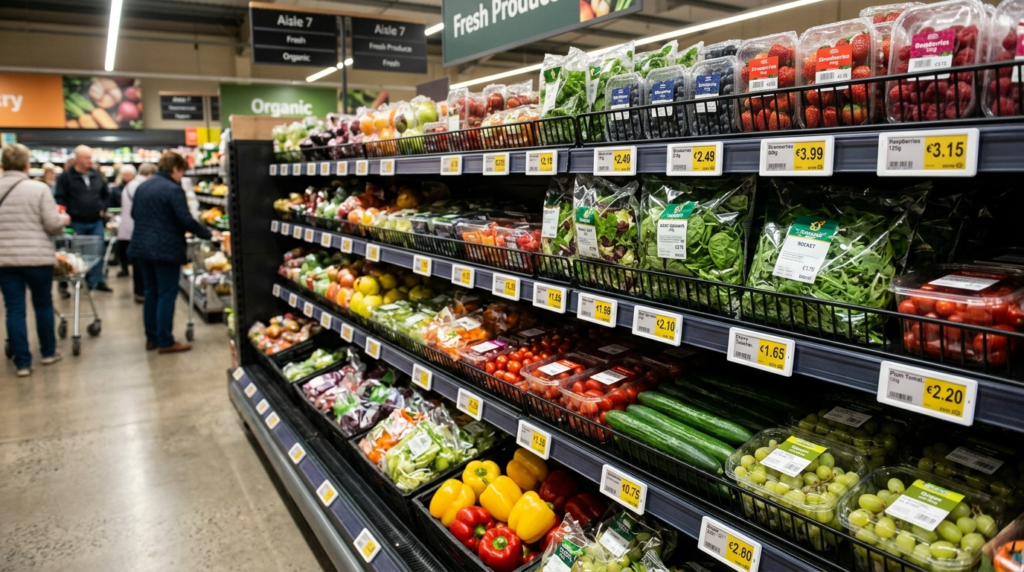
Based on USDA food price outlook data, food prices in the United States increased by 3.1% during February 2026 compared to the previous year which reflect (food-at-home) costs rising by 2.4% and dining costs (food-away-from-home) expenses increasing by 3.9% throughout the same time frame.
Consumer Strain
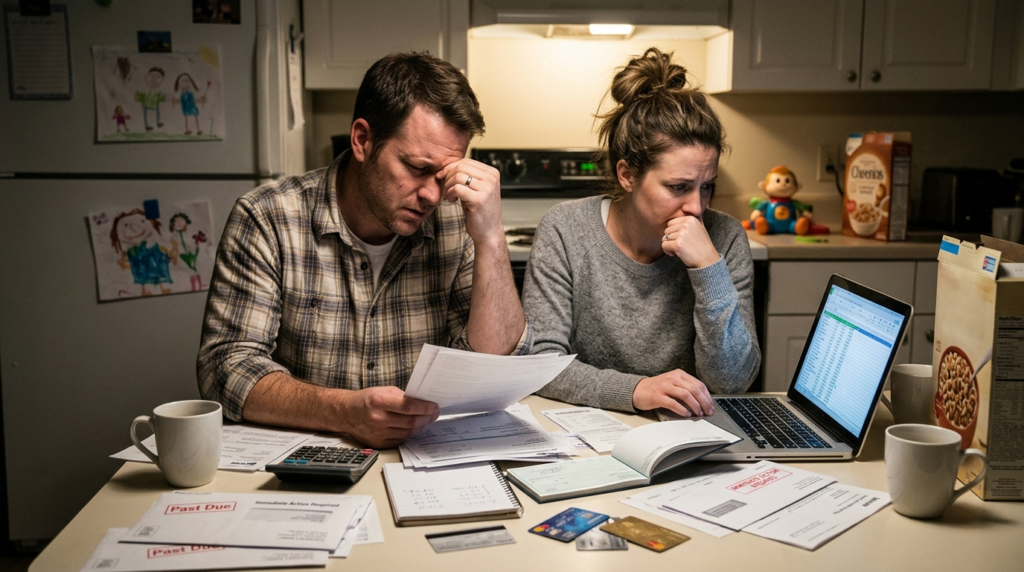
According to a recent Pew Research Center report approximately 19% of Americans needed to use food banks or pantries during the previous year as a result of these expenses. While some commodities are seen to be going up, severe spikes are already evident in some cases with items like beef, coffee, and fresh vegetables.
Changing Behaviors
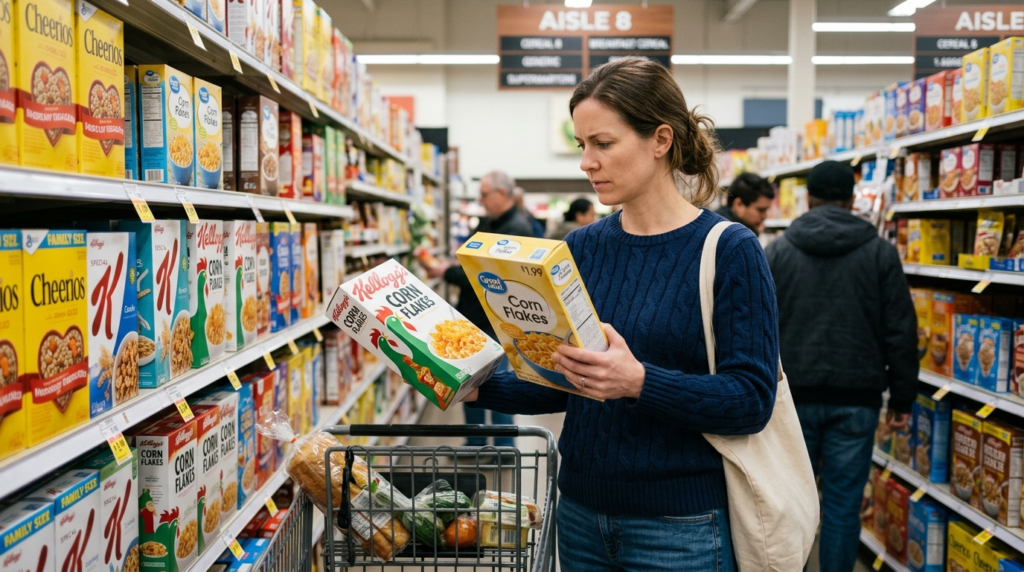
Many consumers have been altering their shopping habits by buying generic brands, shopping at discount retailers, or reducing their consumption of expensive items. This would help you save bills on groceries while managing the household budget properly.
Plan Before You Shop

People tend to spend more money when they do not have a financial plan. Grocery expenses can be reduced between 15 to 25 percent by checking home inventory and following a detailed shopping list. People tend to spend more money through impulse purchases than they realize.
Switch to Store Brands
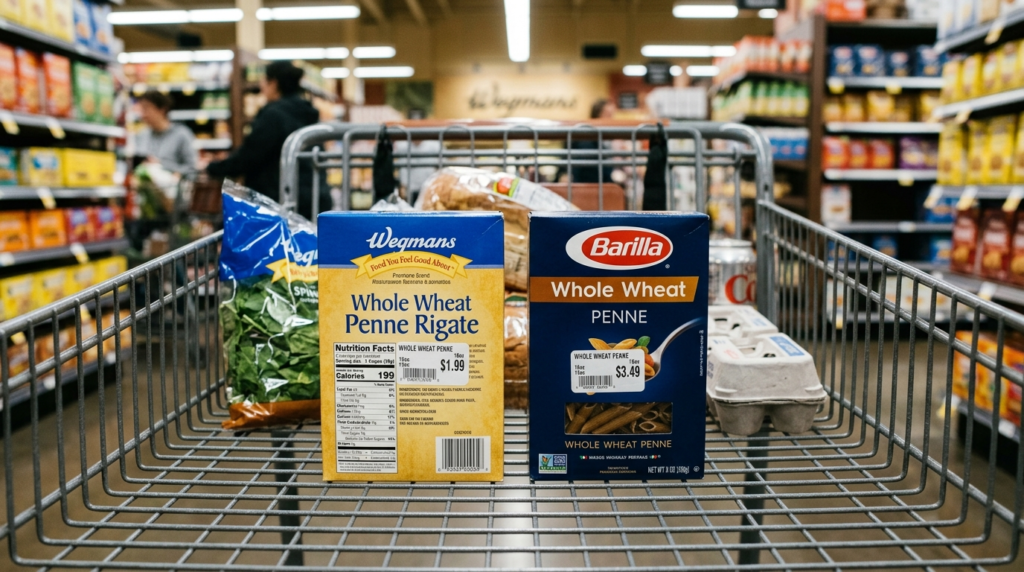
Generic or store-brand products are often 20–40% cheaper and similar in quality. The switch from basic products such as milk and grains and packaged foods results in annual savings of hundreds of dollars for many households.
Cut Back on High-Cost Items
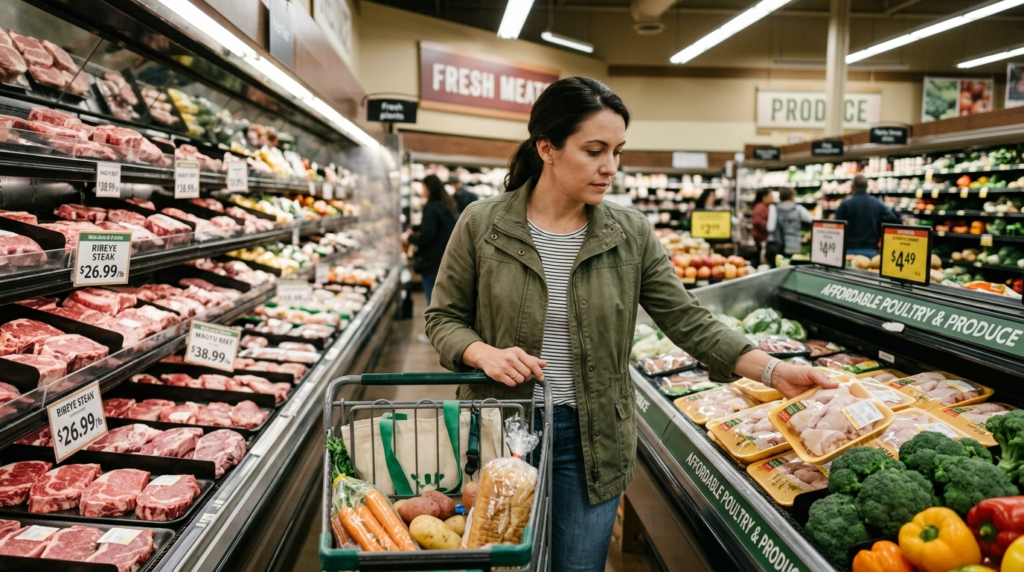
Items like beef coffee and pre-cut produce experienced price increases which reached extreme levels. Switching to cheaper protein sources and whole produce instead of pre-cut can significantly reduce bills without sacrificing nutrition.
Limit Dining Out
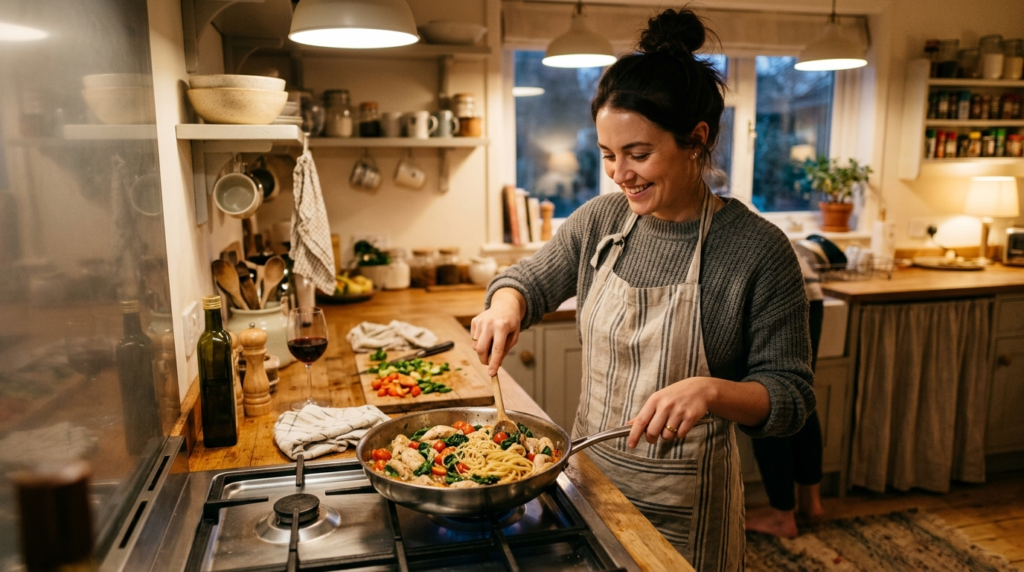
People who want to save money should increase their home cooking because restaurant prices are increasing at a faster rate than grocery store prices. The dining expenses decrease significantly when people cut back their restaurant visits by 1 to 2 days each week.
Shop at Discount Stores
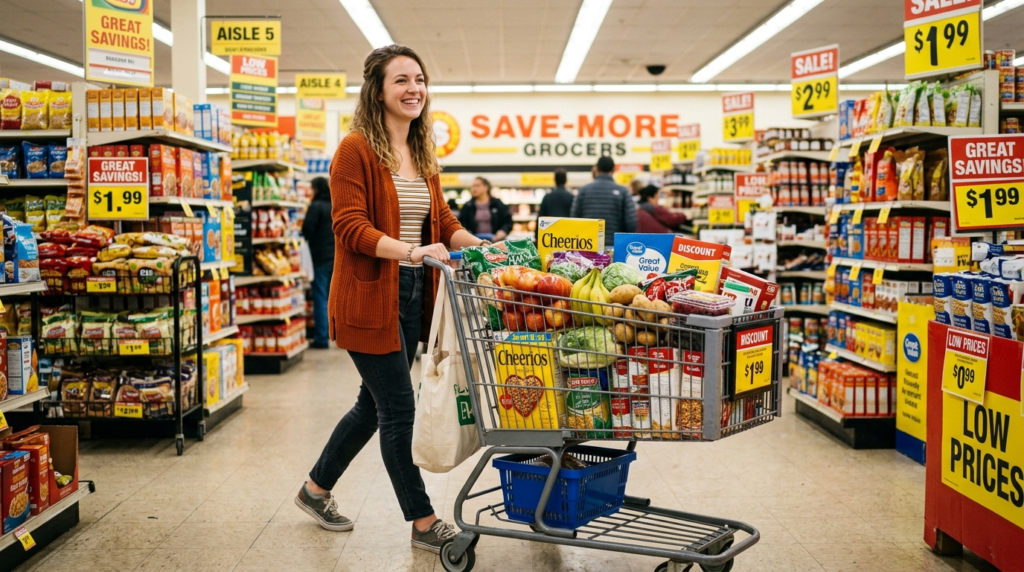
Finally, shopping for clothes involves making assessments-regarding payment rescheduling, whether catchy tunes on the toiletry ad agencies are right, or returning daft fashion.
