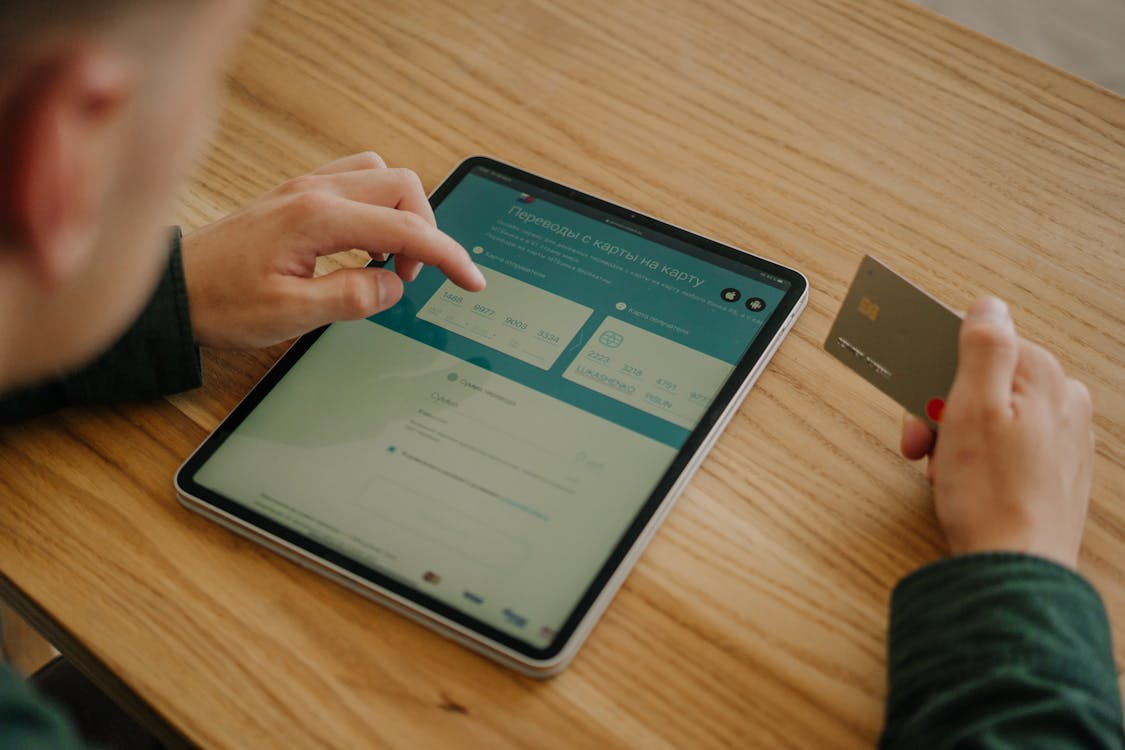
Roughly 1 billion people, or one in seven, are involved in sending or receiving money across borders, while 79% of adults globally own a bank or mobile money account, according to a World Bank study. Online banking is convenient, but that speed removes your safety buffer. It is because once money leaves your account, recovery can be difficult or impossible if sent to the wrong individual. And many banks suggest that most losses happen because people are rushed, misled, or careless with details.
Sending Money to Unknown Individuals

Scammers use fake sellers or fake officials to impersonate others while they create emotional connections with their victims. The scammers will create pressure for you to perform direct money transfers.
Transfers Requested Urgently

Terms like ”Act now,” “account will be blocked,” and “limited-time fee” serve as traditional techniques that create pressure on people. The need for immediate action decreases your capacity to confirm information. Call your bank or the company’s official support before acting.
Paying for Deals That Look Unreal

Businesses provide heavy price reductions for their most sought-after products, which include phones, tickets, and rentals, to their customers. Once paid, the seller disappears. Avoid off-platform payments, and be wary of sellers who refuse safer payment methods.
Moving Off Secure Platforms
A common trick is to start on a legitimate app, then ask you to complete payment via bank transfer to avoid fees. The process results in the complete elimination of all platform safety measures. Keep the entire transaction within the platform.
Not Verifying Account Details
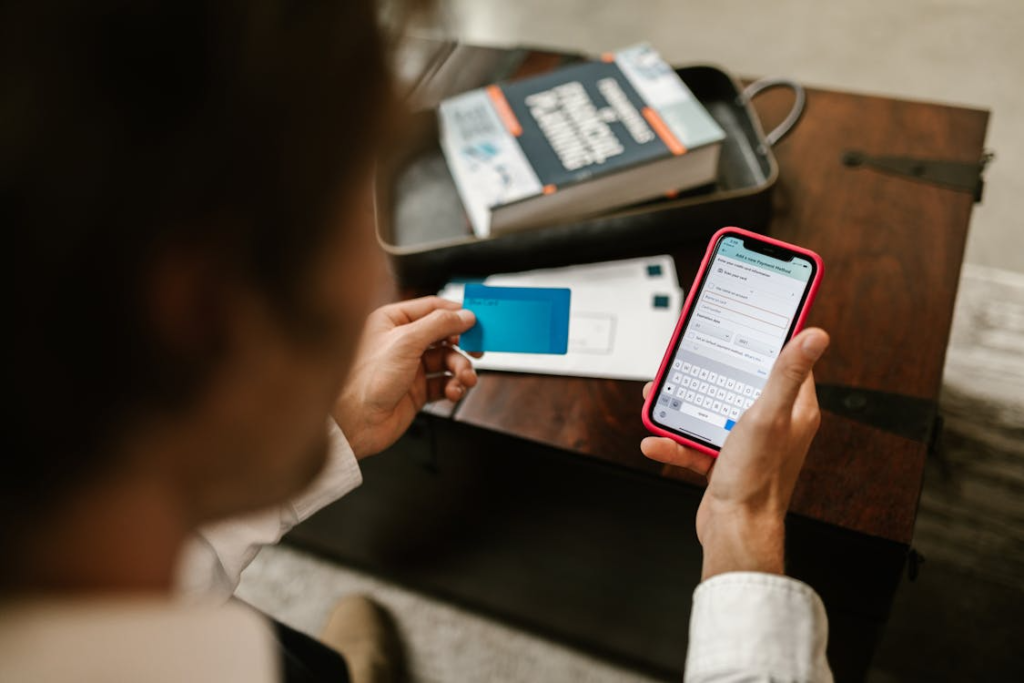
In a hurry or under pressure, we may forget to check account details and may send money to the wrong person. In fact, sometimes, similar-looking identification numbers can unintentionally send money to the wrong person. Therefore, save verified beneficiaries instead of typing each time.
Sharing OTPs, PINs, or Approval Prompts

Fraudsters often call pretending to be bank staff and ask for OTPs or ask you to “approve a request.” The approval process, which you complete, results in them starting a debit transaction. Never share One Time Password (OTP) and read every approval prompt carefully.
Sending Money for Quick Returns

Many educated people invest and trade to build wealth. Trading through certified applications is ideal instead of fake trading apps. Additionally, crypto schemes and guaranteed returns are major loss channels. Never transfer funds to personal accounts for investments.
Final Thought

It would not be wrong to say that online transfers fail at the human level, not the tech fault. If you slow down, verify independently, and avoid pressure, you eliminate most risk. This is the direct and best way to keep your money and account secure and spend happily.
