
Imagine planning retirement and suddenly getting a warning that your Social Security number is on the dark web. The situation creates instant stress because it can ruin multiple years of financial planning for people who are about to retire. Here’s how to assess the risk, and what steps you can take if this happens.
How Serious Is This Warning
Unsecured Social Security numbers do not guarantee fraudulent activity, but they create a genuine threat. Research shows that most individuals with complete identity information accessible on the internet will encounter identity theft attempts.
Why the Dark Web Matters

Stolen data is often sold in bulk and may sit unused for months. Your Social Security number becomes permanently accessible after it’s exposed to others. The need for immediate response exists because the situation maintains its unpredictable nature.
Freeze Your Credit

One of the most effective protections is a credit freeze. It prevents lenders from accessing your credit file, which makes it difficult for criminals to open accounts using your identity because the process requires them to pass multiple security barriers, and it costs nothing to activate.
Secure Your Social Security Account
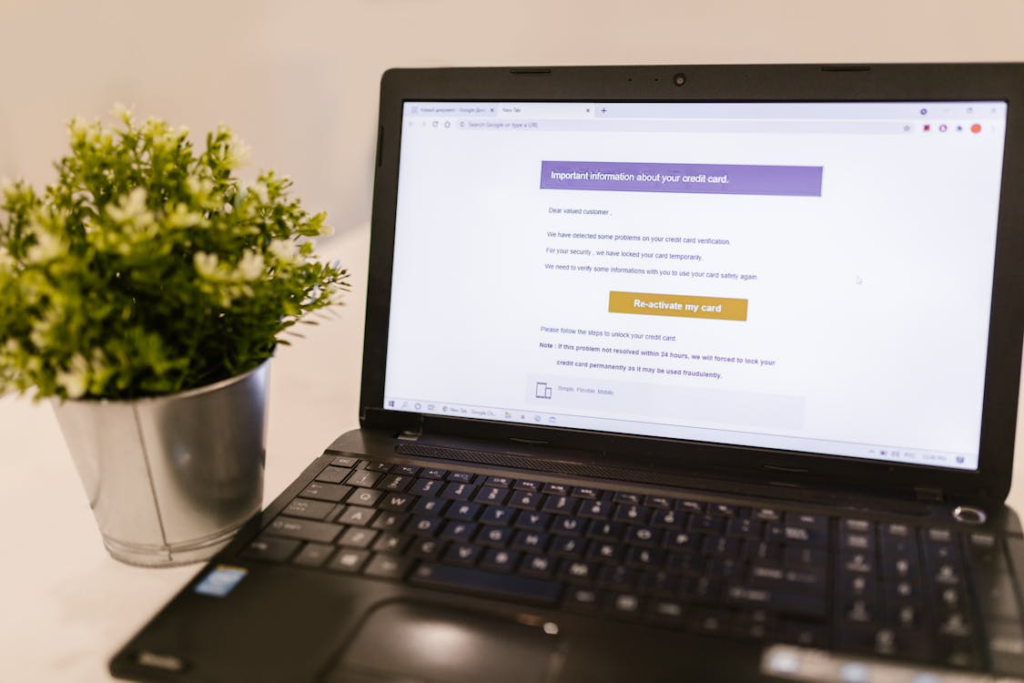
The Social Security Administration recommends securing your account with strong protections. Create or update your “My Social Security” profile and enable additional security features to reduce risk.
Protect Against Job and Tax Fraud
Tools like myE-Verify can prevent someone from using your SSN for employment. Meanwhile, the Internal Revenue Service provides an Identity Protection PIN, which protects your name from fraudulent tax filings.
Monitor Your Credit Reports

Regularly reviewing your credit reports can help you spot suspicious activity early. Unfamiliar accounts, loans, or changes may signal identity theft and should be addressed immediately.
Report the Issue Early
The Federal Trade Commission requires a report to establish an official record. The system provides essential assistance to handle fraud cases because it helps identify disputes between parties.
Why This Is Riskier Near Retirement
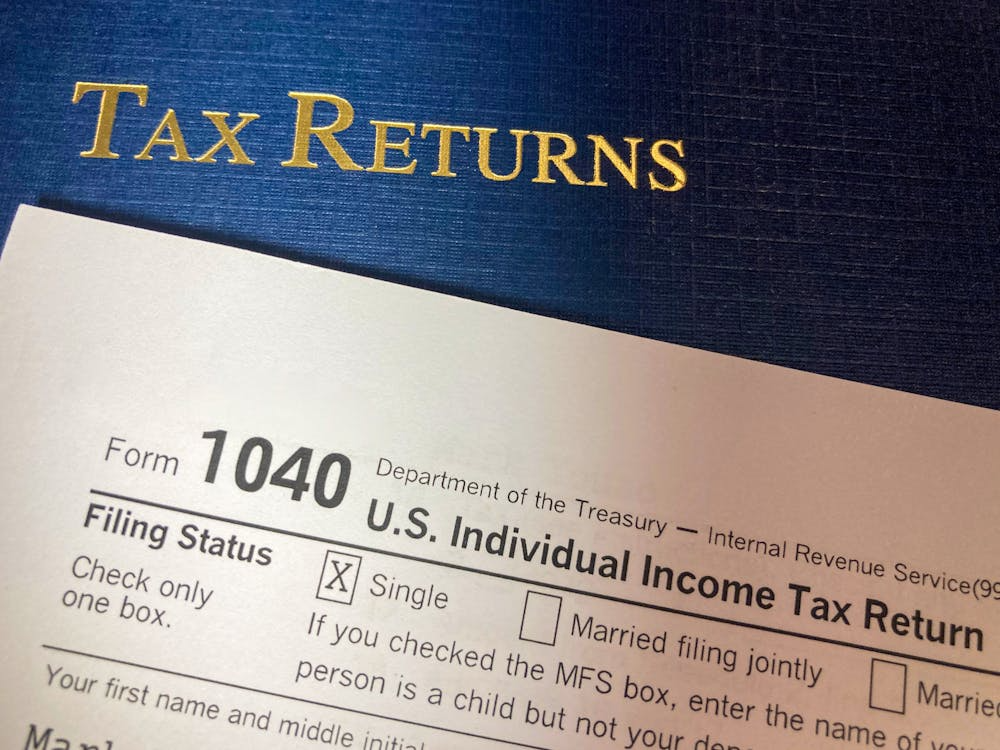
In your 50s or 60s, identity theft can affect more than credit. It can impact tax filing processes and delay benefits, while it also affects your Social Security earnings history, which can decrease your retirement funds.
Act, Don’t Panic
A public Social Security number presents serious risks that can be controlled. With tools like credit freezes, account protections, and monitoring, you can reduce risk significantly. So, act quickly and stay vigilant as you move closer to retirement.
