
We have all been exposed to the stereotypical image of a tech founder: the hyper-enthusiastic visionary going back and forth on a stage, engaging a crowd with every word. Nevertheless, recent developments in the American startup scene indicate that an even larger success story could be achieved by those who sit in the back of the room. Literature, among which is prominent research conducted by the Wharton School, is pointing towards the possibility that quiet leaders may, in fact, possess a substantial advantage when it comes to creating sustainable companies.
The Power Of Listening First

Mute founders may be more of a listener than a speaker, and this trait can aid them in internalizing important feedback from their initial clients. This habit might enable them to spin better in the course of those crucial first months.
Thinking Before Speaking

There are numerous introvert entrepreneurs who take time to assimilate information before making a significant pronouncement. This cautious stance could result in more stable business decisions and fewer PR headaches for the growing brand.
Empowering Proactive Teams

A study by the Harvard Business Review indicates that introvert leaders might be better able to cope with proactive employees. They usually stand aside and allow the most outstanding ideas of their team to lead.
Building Deep Connections

Instead of shaking a hundred hands in a room, silent founders could be looking to develop a few high-quality relationships. Such strong connections with investors and partners tend to be more lasting in the long run.
Thriving In Solitude

Avoiding interruptions by working long hours on their own is something that successful quiet builders have a habit of doing. This specialization may explain why they are able to cope with the tough early phases of coding or product designing.
Low Ego Leadership

The quiet founders might be less inclined to make company strategy the result of their own ego. Such humility may enable them to confess when a particular course of action is not working.
Natural Observation Skills

These entrepreneurs can be able to identify market gaps that the noisy competitors cannot see by standing on the sidelines. Their observational aspect might be a hidden weapon in determining what the contemporary consumer actually requires.
Writing As Communication

A lot of introverted leaders tend to use written communication, which can result in clearer documentation and enhanced alignment among the remote workforce. Such clarity could be the difference between the usual misconceptions that bring down most young startups.
Measured Risk Taking

Whereas others would leap at every bright prospect, the silent ones could overlay the data beforehand. This calculated risk tendency may explain why their companies tend to be more resilient in the long term.
High Emotional Intelligence

Profound listening may result in a clearer comprehension of team dynamics and employee morale. Such a sensitivity could assist a silent founder to create an environment in which individuals would like to be and work.
Staying Under The Radar
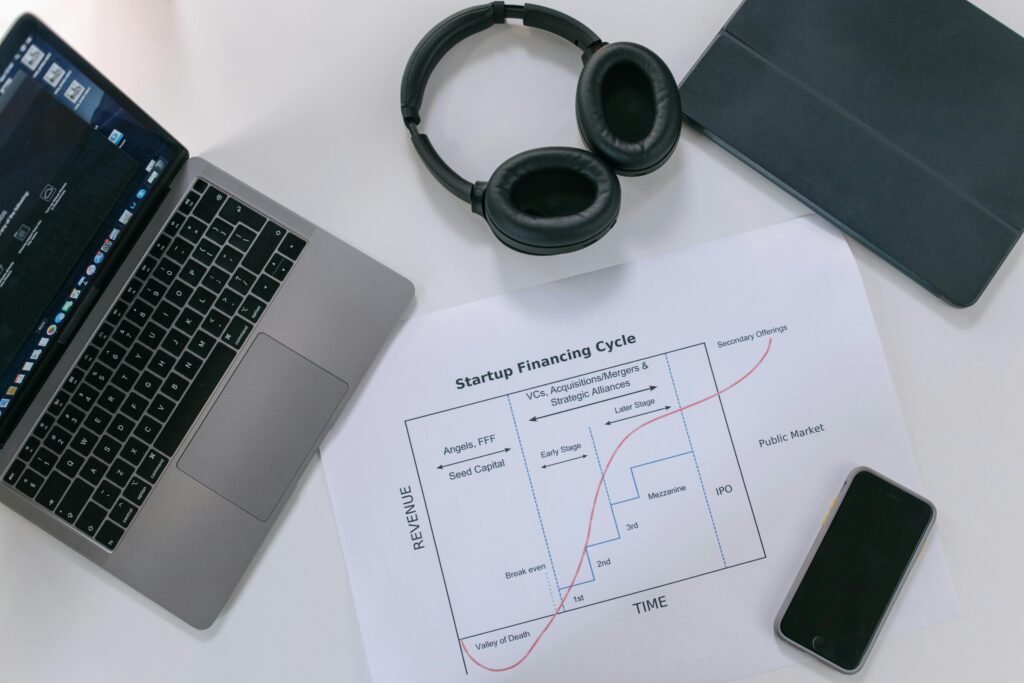
Growing quietly can enable a startup to expand without significant focus by bigger companies. This stealth mode may provide them with an upper hand to conquer a niche.
Focus On Substance

You are not concentrated on being the face of the brand, so you can invest all that in the product. This could lead to a more qualitative user experience that speaks for itself.
Calmness Under Pressure

When facing a crisis, it is usually the quiet individual who is computing the solution. This self-possessed attitude could be a reassuring factor to the employees and investors when the market has gone rogue or unstable.
Long-Term Vision

Silent minds may be more inclined to look years into the future than concentrate on the next viral experience. Such an outlook could be crucial to creating a decades-long company.
Authenticity Over Hype

Contemporary American consumers have a tendency to appreciate authenticity over a slick sales pitch. The no-nonsense, no-frills style of a true founder could be a shot in the arm in terms of establishing a long-term relationship of trust with a cynical audience.
