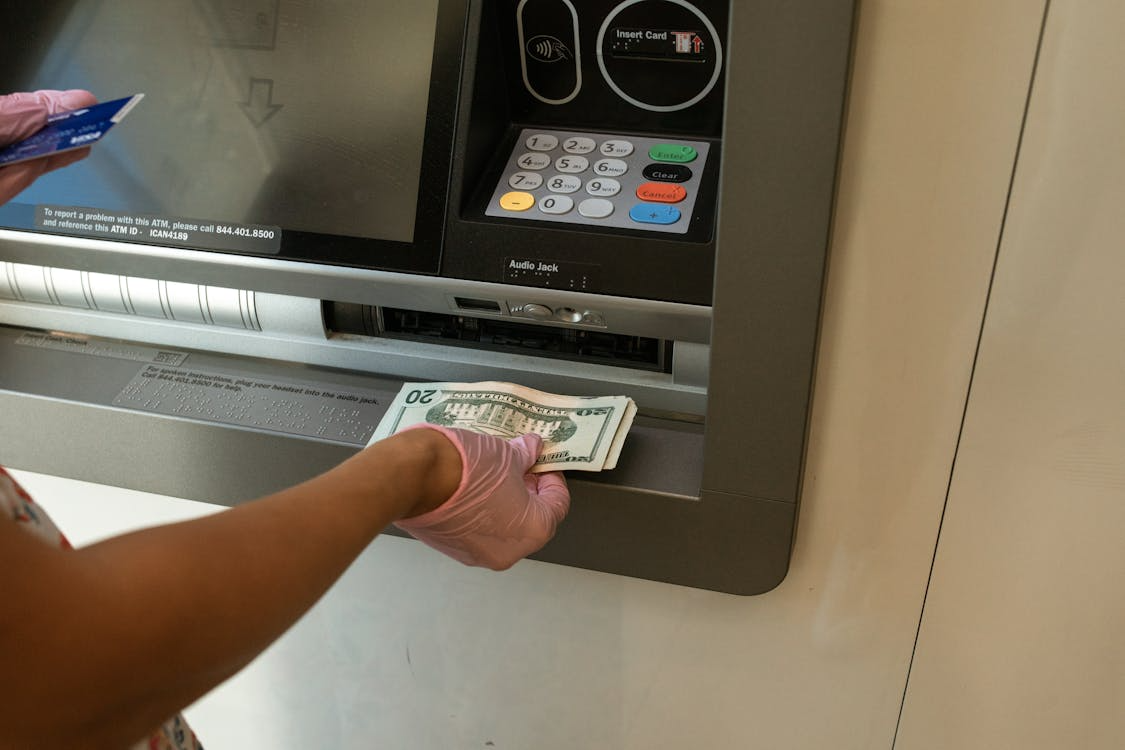
Withdrawing $5,000 from the bank might appear to be an easy process, but it creates multiple problems, which include security issues, operational limitations, and customer inquiries. Understanding how these processes work can help you avoid delays and plan ahead.
Know Your Bank’s Limits First

Some accounts do not permit customers to withdraw large amounts in one transaction. The daily withdrawal limits for banks depend on their specific account types. You should check your cash withdrawal needs beforehand so you can select the appropriate amount at ATMs and banks, helping you avoid cash withdrawal delays and rejected transactions.
It Might Raise Red Flags

When people withdraw substantial amounts of money from their accounts, it draws attention to them. Banks track unusual transactions by monitoring standard customer behavior, so they will identify any abrupt $5,000 withdrawals that do not match your regular spending habits.
Cash Isn’t Always Recommended
Banks recommend check payments because they consider checks to be superior to cash. The reason exists because cash lacks any traceable path, which leads to permanent loss when it gets misplaced or taken, while checks present a safer method, which enables people to follow their financial transactions.
Carrying That Much Cash Is Risky

Carrying large amounts of cash throughout the day creates a higher chance of your money getting stolen or lost. It is advised that you should reduce your risk by keeping your plans secret and spending your cash as fast as you can.
ATMs Usually Won’t Work
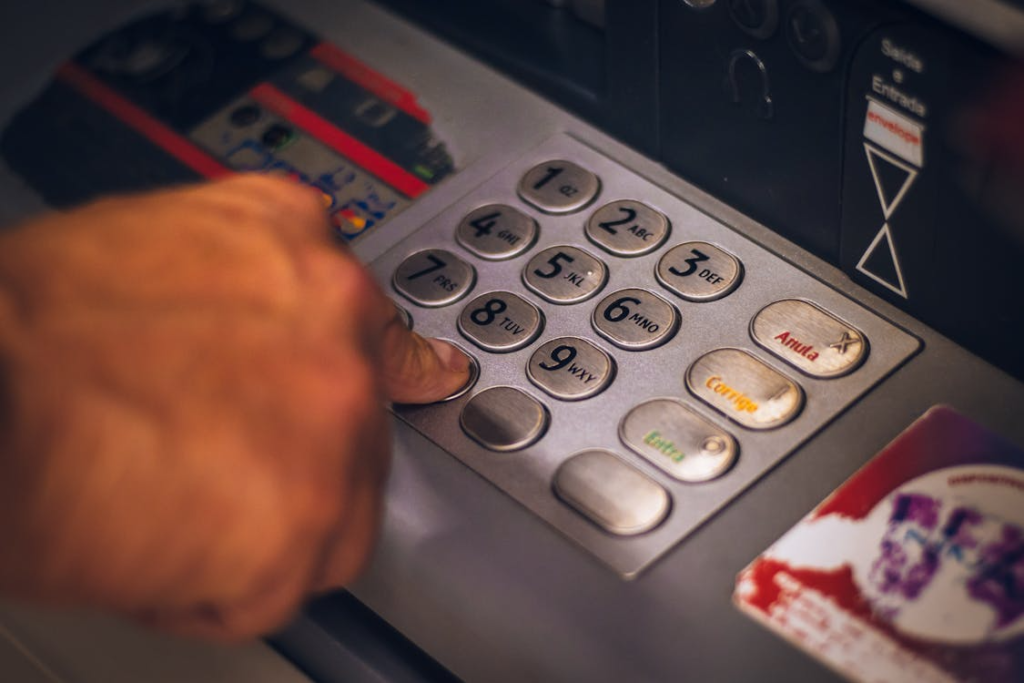
That’s right, you might not be able to withdraw a large amount from an ATM. Most ATMs have daily withdrawal limits far below $5,000. If you require a larger amount, you will mostly need to go to the branch to finalize it in person.
The $10,000 Rule Matters

It is fascinating to know that withdrawals over $10,000 are automatically reported to authorities for record-keeping. While $5,000 isn’t reported by default, repeated large transactions could still draw scrutiny.
It Could Affect Future Borrowing

Large withdrawals don’t directly affect your credit score. However, lenders may review your bank activity when assessing loan applications, and unusual patterns could raise questions.
It Can Trigger Extra Monitoring

Your bank can conduct extra monitoring practices because of your frequent large withdrawals. The bank may conduct its investigation when they see unusual withdrawal patterns from your account. Keeping clear records can help avoid complications.
Safety Should Be Your Priority

Indeed, protecting your money is critical, and you should consider it at a glance. In general, a large withdrawal isn’t a risky thing, but it can make you a target for fraud or theft. Consider security measures like monitoring accounts and safeguarding your cash immediately.
