
Automation, Artificial Intelligence, and digital transformation are reshaping the workforce faster than ever. While new jobs are being created, others are shrinking or disappearing. The U.S. Bureau of Labor Statistics (BLS) and international studies from organizations such as the World Economic Forum provide data about which job positions face the most danger. Here are seven jobs facing significant decline and practical steps to stay ahead.
Data Entry Clerks

Routine data entry tasks are more and more undertaken through AI and Automation systems. The BLS projects a decline of around 25% in this field. What to do? Learn data analysis tools, which include Excel, SQL, and basic analytics, in order to qualify for advanced positions that include data support and operations work.
Cashiers

Self-checkout systems, together with digital payment methods, decrease the requirement for traditional cashier positions. The BLS estimates a decline of about 10% or more over the decade. What to do? Transition into customer experience roles, retail management, or sales that deal with people.
Telemarketers

Telemarketing jobs have been eliminated through the implementation of automated dialing systems and AI-powered marketing technology. The BLS projects a sharp decline of over 20%. What to do? Shift toward digital marketing, social media management, or customer engagement roles.
Bank Tellers

Online banking and ATMs have reduced the need for in-branch staff. A 15% decline is projected by the BLS framework. Therefore, upskill into financial advisory, customer relationship management, or fintech-related roles is a safer option.
Travel Agents

Online booking platforms are superseding the traditional tour operator industry. While the niche travel consultant does exist, the future is less certain. The good thing to do now is focus on specialized travel planning, luxury experiences, or digital travel content creation.
Print Production Workers
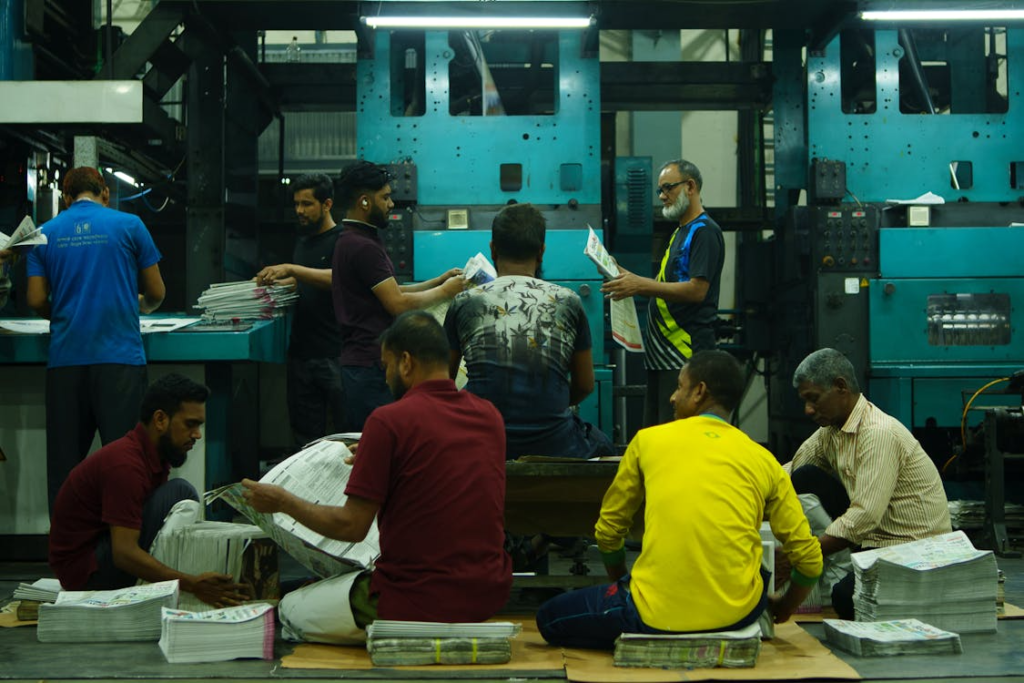
The BLS shows a steady decline in this sector. Digital media continues to replace print, leading to reduced demand for printing jobs. What to do? Move into digital design, content creation, or media production roles.
Postal Service Workers

Lastly, the impact of automation and reduced mail volume on postal jobs is eventually expected, with the BLS predictions declining by around 8% to 10%. What to do? Transition into logistics, supply chain roles, or e-commerce operations, which are growing rapidly.
Final Thought

According to the World Economic Forum, up to 44% of workers’ skills will need to change by the end of the decade due to automation and AI. So, the safest strategy isn’t avoiding change but adapting before change forces you to.
