
Most people notice fast business growth, but companies need to maintain their good financial performance. Many companies expand rapidly, gain users, and dominate headlines, but still struggle to turn consistent profits. The cases of Uber and WeWork demonstrate that companies can experience two distinct paths that lead to either business growth or financial stability. Understanding this gap offers a clearer view of what truly drives long-term business success.
Chasing Growth Over Profits

Some businesses focus on acquiring new customers and entering new markets. Uber expanded its operations worldwide but faced delays in achieving stable profitability. This approach creates public awareness for the organization while it gains financial resources along the way.
Heavy Spending on Customer Acquisition
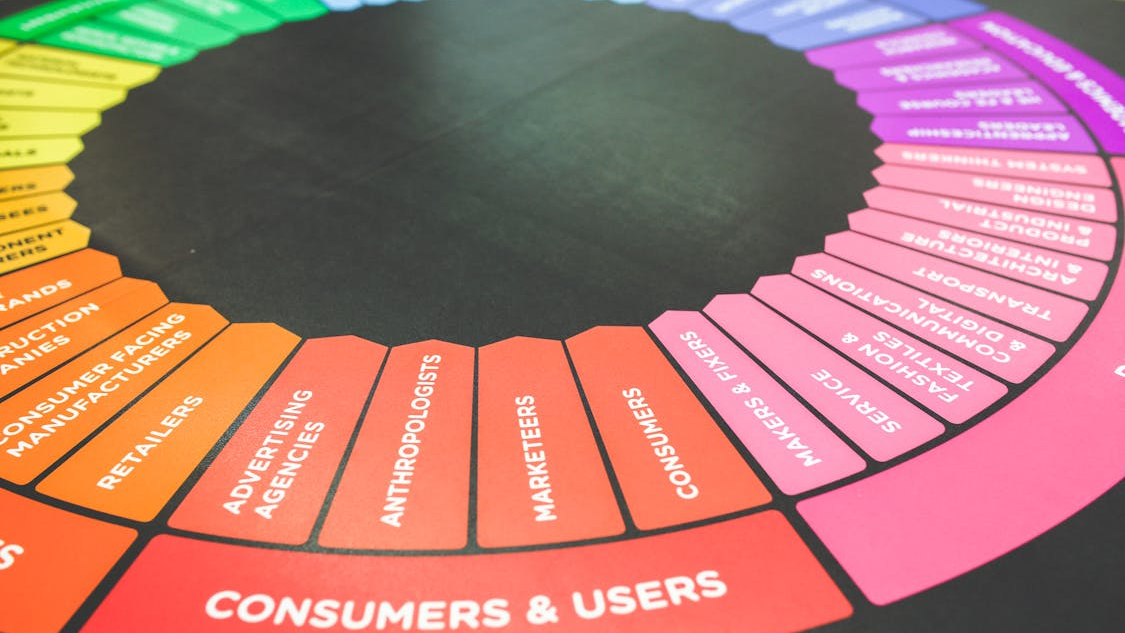
Marketing, discounts, and incentives often drive rapid growth. For instance, DoorDash allocated significant resources to promotional activities for user acquisition purposes. The strategies increase user adoption, but they create a negative impact on profit margins.
High Operational Costs

Certain things come with ongoing expenses that grow alongside the business. The rapid expansion of WeWork’s physical locations resulted in higher fixed costs for the company. Managing expenses becomes critical when businesses expand their operations to multiple regions.
Pricing Strategies Focused on Expansion

Businesses can increase their market share by implementing lower pricing strategies. For instance, Spotify offers competitive subscription plans to attract users globally. The company experiences growth through this process, although its revenue generation needs time to match its operational expenses.
Dependence on Investor Funding

It is true that growing companies need external funding to support their expansion efforts. Snap Inc. used its investor capital to fund extensive product development and growth initiatives. The system delivers operational flexibility, which enables profit growth to proceed at a gradual pace.
Scaling Before Optimizing

Some businesses expand operations before they develop their essential business framework. The WeWork company expanded its locations at a fast pace while it developed its methods to achieve profitability. This sequence can create challenges in balancing growth with financial efficiency.
Complex Business Models
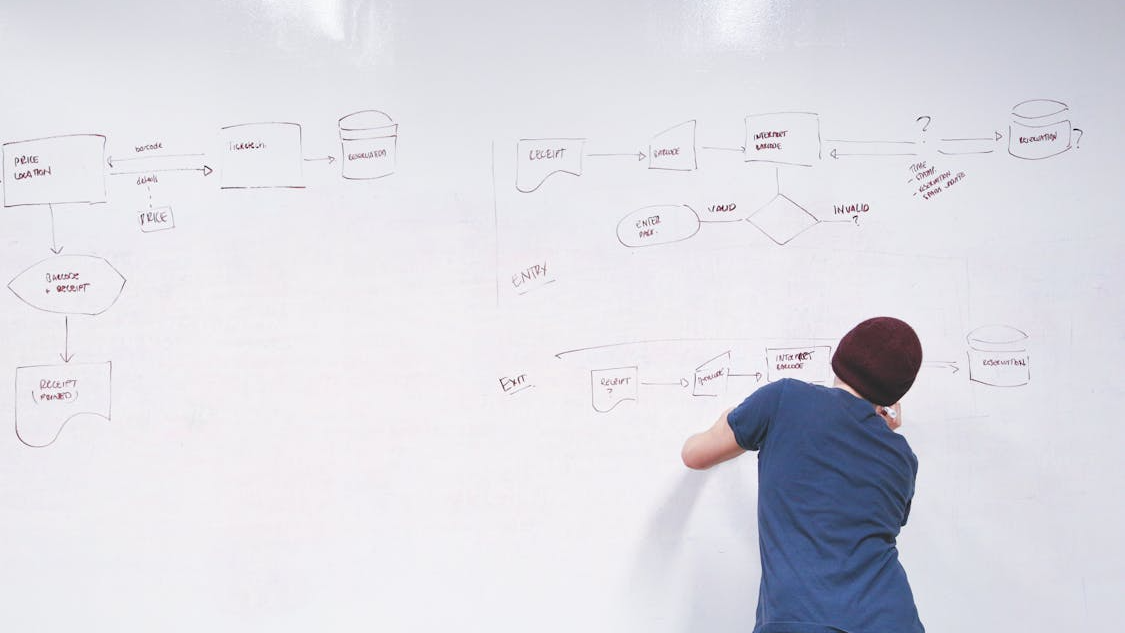
Platforms with multiple stakeholders can face added complexity. Uber balances drivers, riders, and pricing dynamics, which influences margins. Therefore, when an organization expands its operational activities, the task of maintaining business relationships becomes more challenging.
Profitability Takes Time to Catch Up
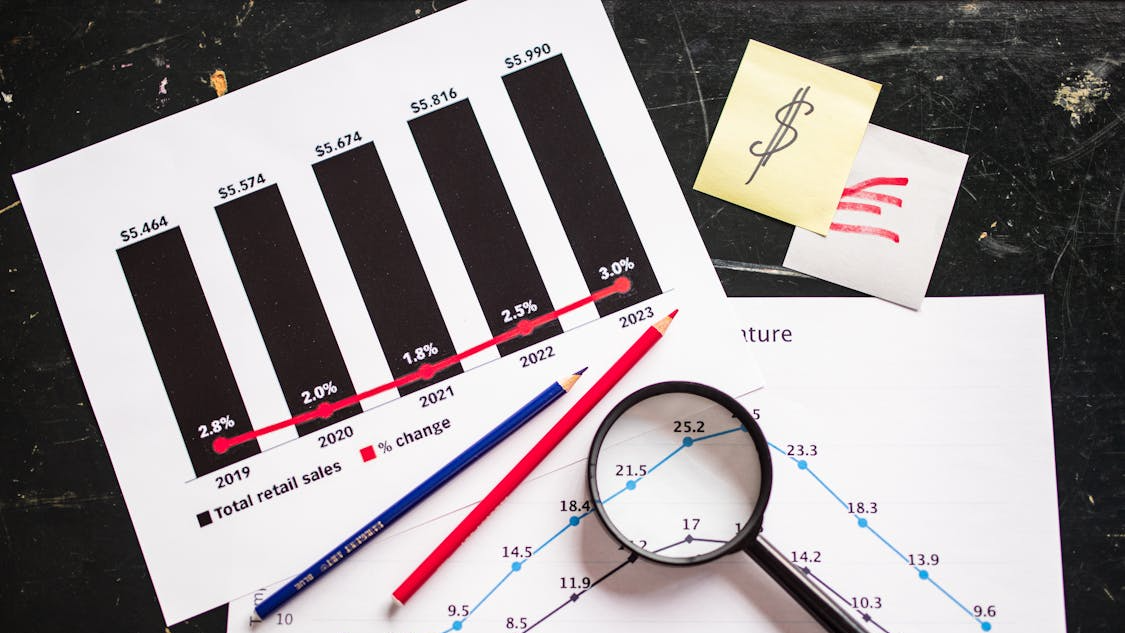
In many cases, profitability follows after scale is achieved. For example, Amazon dedicated its operational resources to developing its business until the company reached stable profit margins. This approach reflects a strategy where scale builds the foundation for future returns.
