
Every business eventually reaches a critical decision point: save profits or reinvest for growth. Leaders at companies like Starbucks and McDonald’s faced this choice early on. The balance between saving and scaling can shape a company’s future, influencing daily operations, long-term growth, and overall direction.
The Comfort of Saving

Profit hoarding provides stability and control for businesses. It helps cover unexpected costs and keeps operations running smoothly. This strategy is particularly useful for many small businesses during uncertain times or in the early stages of growth.
The Power of Reinvestment

Profits can be reinvested to expand marketing, increase staffing, or enhance products. This plan aims to reach a larger audience and improve services, creating opportunities for increased income and consolidation in the market over the long term.
Why Many Stay Small

Not all businesses are similar, and many tend to choose stable, controllable growth. Avoiding risk can provide a predictable income, but it may limit how quickly the company can expand.
Scaling Requires Letting Go

Growing usually means leaving behind taking care of everything. Outsourcing and systems development enable the business to continue running without the founder being directly involved, and bigger opportunities become available.
Expanding With Strategy
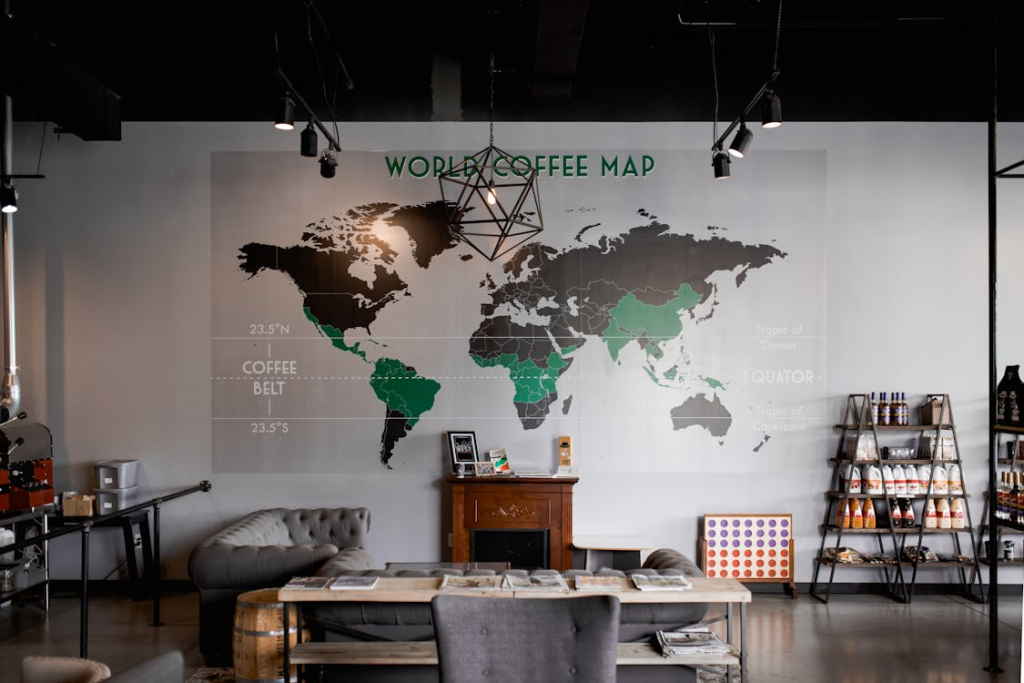
In a case study of Starbucks, they have invested a lot in the expansion and the customer experience of the stores. This emphasis on expansion helped to make a local coffee brand a multinational company.
Consistency at Scale

For example, McDonald’s concentrated on standardization and systems. The brand was able to enhance growth through refinement and reinvestment in expansion, resulting in uniform growth in various locations globally.
Risk and Reward Go Together
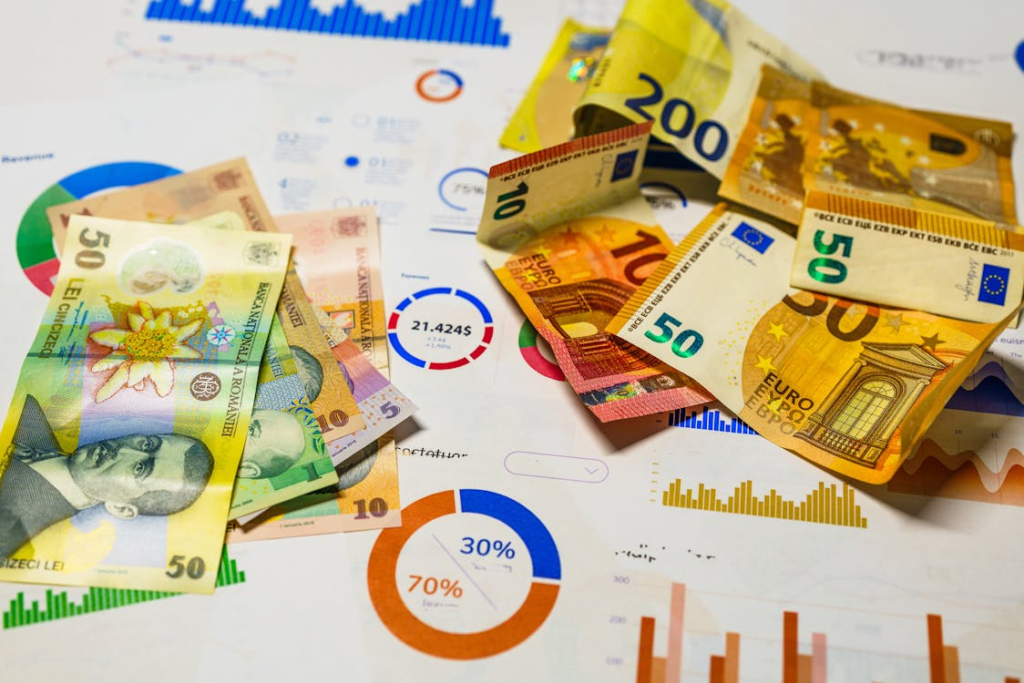
Scaling can be done with risks that are calculated. Investment in growth will not give immediate returns, but will leave the possibility of higher returns. It turns out to be a significant aspect of decision-making because of balancing caution and ambition.
Timing Shapes the Outcome
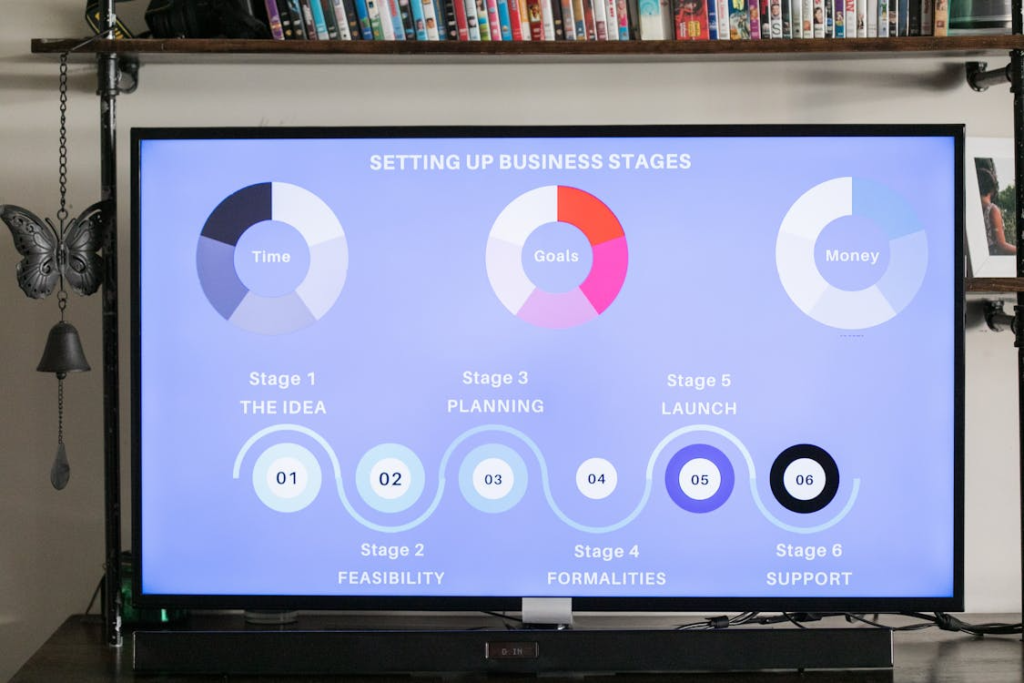
The decision to save and when to scale is significant. Organizations that make decisions that are consistent with business needs and an internal preparedness usually have an easier road to sustainable development.
A Choice That Defines Direction

The decision to save or scale is reflective of a business’s broader vision. This choice affects how resources are utilized, the pace of growth, and the transformation of the business over time.
