
Big companies often focus on quick profits, but some leaders take a different path. Jeff Bezos followed a long-term vision that prioritized growth, customer experience, and innovation over early earnings. This approach shaped how modern tech businesses scale and compete today. His strategy demonstrated that companies achieve enduring success in competitive markets by establishing solid foundations and practicing patience through their investment in research and development.
Customer Obsession First

Bezos also focused on customer satisfaction, rather than short-term profitability. Amazon invested in accelerated delivery, improved service, and competitive pricing, which fostered loyalty and facilitated long-term growth and repeat usage across its expanding platform.
Reinvestment Over Profit

Rather than pursuing direct profits, Amazon kept on reinvesting revenue into logistics, technology, and infrastructure. This contributed to the expansion and the creation of a robust ecosystem that might help the company achieve future growth without being overly reliant on short-term profitability.
Building Infrastructure Early
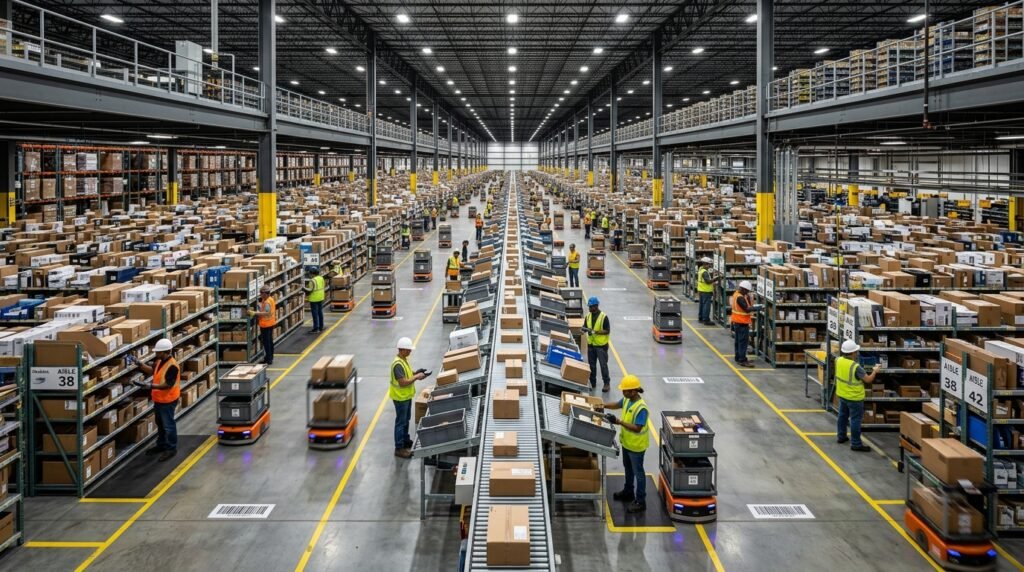
Warehouses, delivery networks, and cloud systems were developed by Amazon long before they became industry standards. This initial investment formed a powerful operational backbone, enabling the company to scale efficiently as demand rose across various markets.
Expanding Beyond Retail

Indeed, the company has gone beyond online shopping to other fields such as cloud computing and digital services. Amazon Web Services emerged as a significant source of revenue, demonstrating how diversification helped sustainability in the long term and minimized dependence on a single business model.
Long-Term Investor Alignment

Bezos also conveyed to investors a long-term vision, which requires patience over short-term gains. This enabled Amazon to proceed with its aggressive investment without always being pressured to achieve short-term profit milestones.
Using Data and Technology

Amazon relied on data insights to optimize prices, suggestions, and operations. This technologically advanced solution made it more efficient and user-friendly, reinforcing its competitive stance in both retail and online services.
Developing a Scalable Ecosystem

The business established interlinked services such as Prime, logistics, and cloud computing. These services coexisted, making customers more interested and establishing many points of entry into the Amazon ecosystem.
Competitive Pricing Strategy
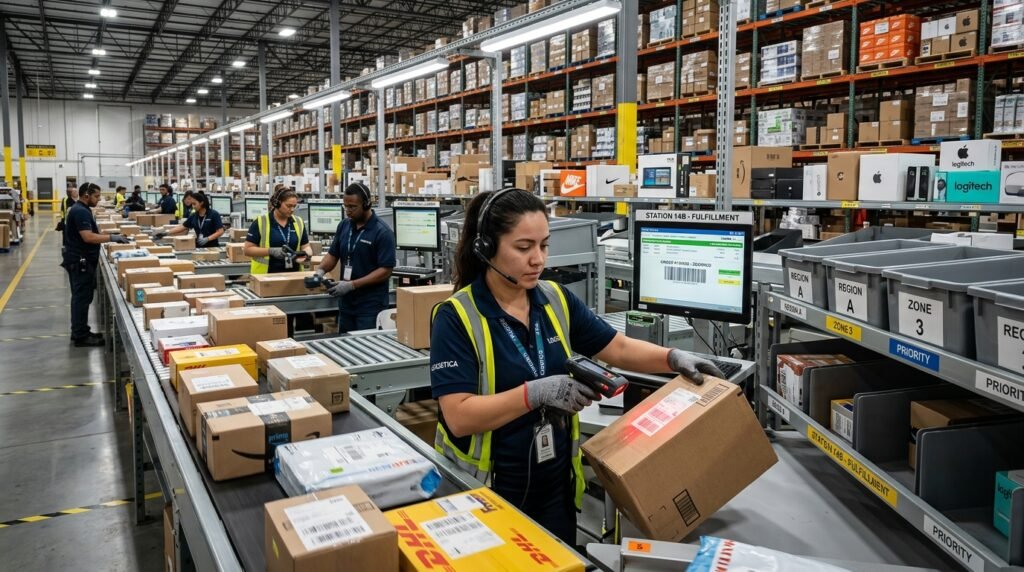
Amazon maintained its attractiveness in prices, which encouraged the sale of high volumes. The approach helped to increase the market share, although margins may remain low during the first years, which strengthens its role as a shopping destination.
Innovation as a Fundamental Value

Bezos encouraged cross-team experimentation and innovation. Even minor ideas were used to enhance services and increase their offerings so that Amazon could remain relevant in the ever-evolving digital environment.
Concentrate on Market Leadership
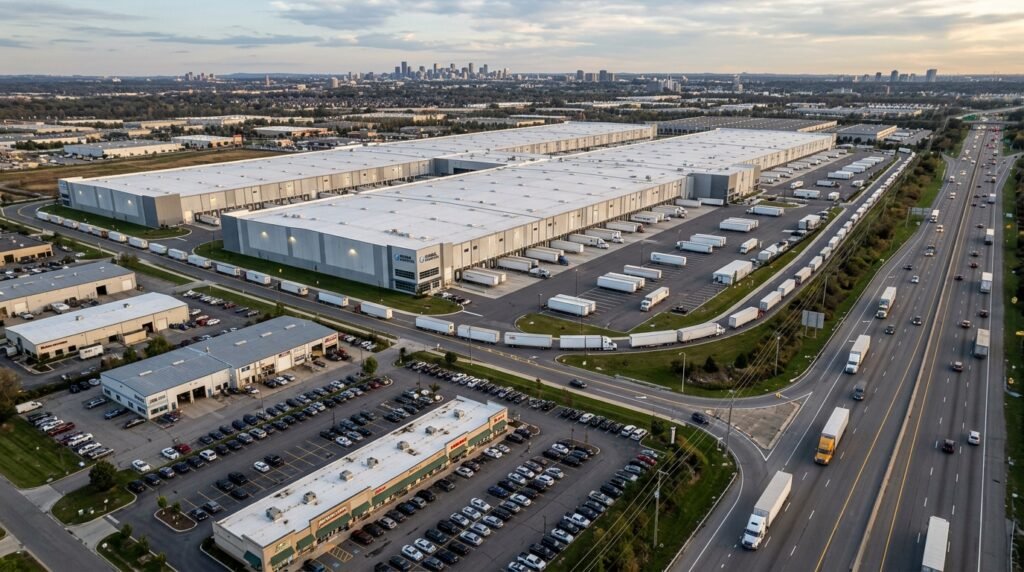
Instead of focusing on the short-term payoff, Amazon was working to become a leader in major categories. This attitude promoted risky actions that focused on dominance and long-term positioning, other than short-term profitability.
Patience as a Business Strategy

The general strategy was that of patience and planning. Amazon, by letting investments mature, showed how consistent execution and long-term thinking can influence sustainable growth in competitive industries.
