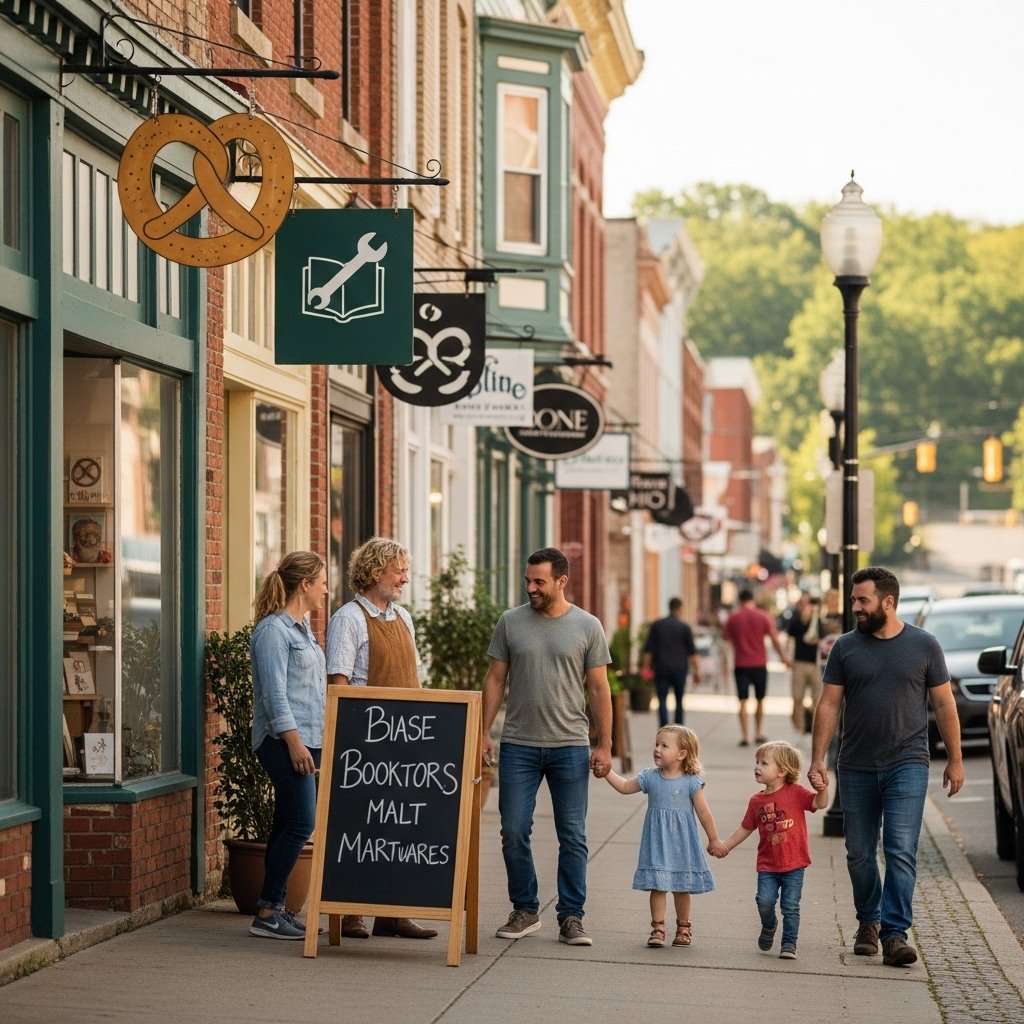
Small businesses contribute to developing robust local economies in a consistent manner. People usually construct them because they are knowledgeable about the region, its problems, and requirements. Owing to this strong relationship, their choices are more advocative of the long-term stability of communities, not short-term profit. Money used in the local business will tend to remain within the area in the form of wages, services and suppliers within the locality. Such businesses also bring life to towns and cities, and make them feel like places, not places that are homogenised. In the long run, small business assists in equalising the growth rate of the economy and social responsibility, which makes local economies more sustainable and adaptable to changes.
Local Job Creation

Small businesses offer local job opportunities. These sorts of jobs are well-suited to local skill sets, minimise the necessity for long-distance commuting and provide families with a consistent income near home.
Keeping Money Circulating Locally

The income generated by small businesses is often reinvested back into local services, suppliers and employees. This flow enhances the local economy and helps it to maintain a wider range of interrelated community businesses.
Encouraging Entrepreneurship

The small businesses offer an easy entrance point to new businesspeople. They enable people to experiment, acquire expertise and earn revenue without the immense obstacles that many corporate entities may face.
Supporting Local Suppliers

Most of the small enterprises depend on local suppliers of their goods and services. Through these associations, stable trade networks are formed, less transport is required, and economic collaboration within the same region of geographical region is strengthened.
Community Identity and Character
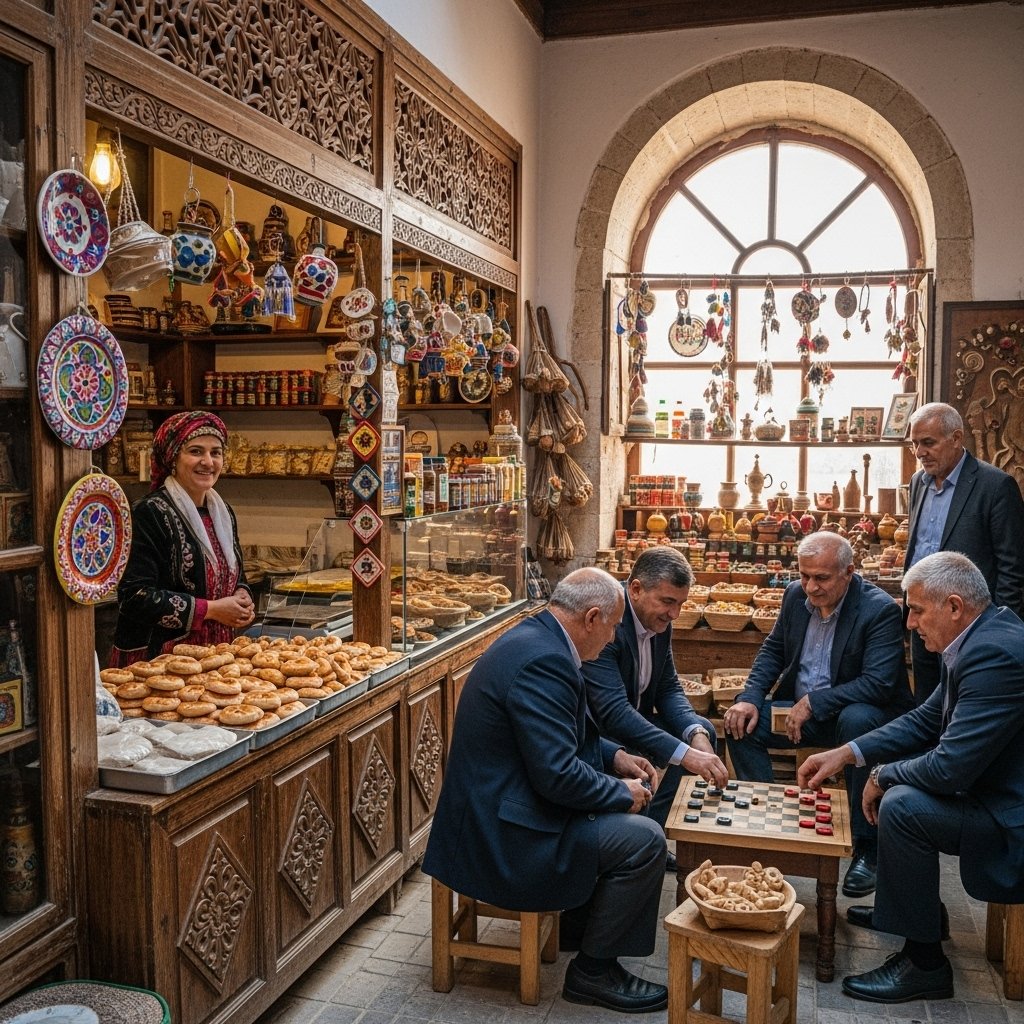
Local culture, traditions and preferences are represented in independent businesses. Their existence also makes neighbourhoods retain their unique identity, which makes towns a more interesting place to stay, work and visit frequently.
Flexible and Responsive Services

Small companies can respond to the customers and needs that change fast. This will allow them to deliver services that are tailored to match the local habits and challenges.
Strengthening Social Connections

Continuous business-customer interaction will lead to comfort and trust. Such relations promote collaboration, solidarity, and better belonging to the community.
Economic Resilience During Change

Small businesses represent a varied pool that has resulted in a lessening of the reliance on one employer or industry. This diversity assists the local economies in dealing with disruptions more easily and slowly recovering their economies in case of economic constraints.
Skill Development Opportunities

In small businesses, employees tend to acquire diverse responsibilities. This will be a supportive environment with practical skills development, problem-solving skills and career development that may be a benefit to the wider workforce locally.
Responsible Business Practices

Remember that businesspeople have deep roots in their communities. This relationship tends to promote responsible decision making, which takes into consideration environmental impact, good treatment and long-term community well-being.
Long-Term Local Investment

The small business organisations have a higher chance of staying loyal to their region in the long run. Their long-term commitment to the region contributes to the stable economic performance and gives confidence in the economic future of the area.
